














An FPV video transmission system allows a camera mounted on a drone, UAV, RC vehicle or other platform to transmit live video wirelessly to an operator on the ground.
Although FPV systems are often discussed as a single product, a complete video link normally consists of several separate components: a camera, video transmitter, antenna system, receiver and display device.
Understanding how these components work together is important not only for FPV pilots, but also for drone manufacturers, system integrators and companies developing their own wireless video products.
How Does an FPV Video System Work?
A typical FPV video chain can be simplified as:
FPV Camera → VTX → Transmitting Antenna → Wireless Link → Receiving Antenna → VRX → Goggles or Monitor
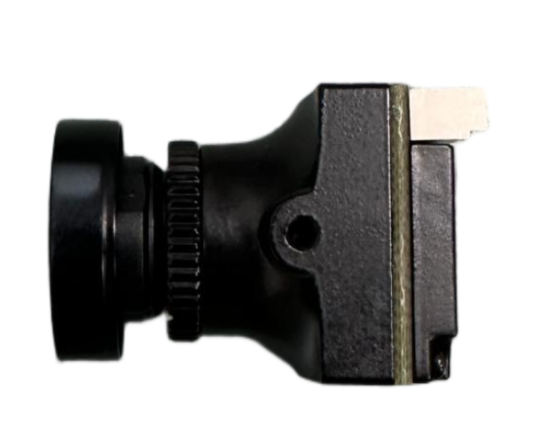
1. FPV Camera
The camera captures the real-time image.
In an analog FPV system, the camera normally outputs an analog video signal directly to the video transmitter.
Camera characteristics such as sensor size, field of view, low-light performance and image tuning can affect what the operator ultimately sees.
DMKR currently supplies FPV-oriented cameras alongside its video transmission products.
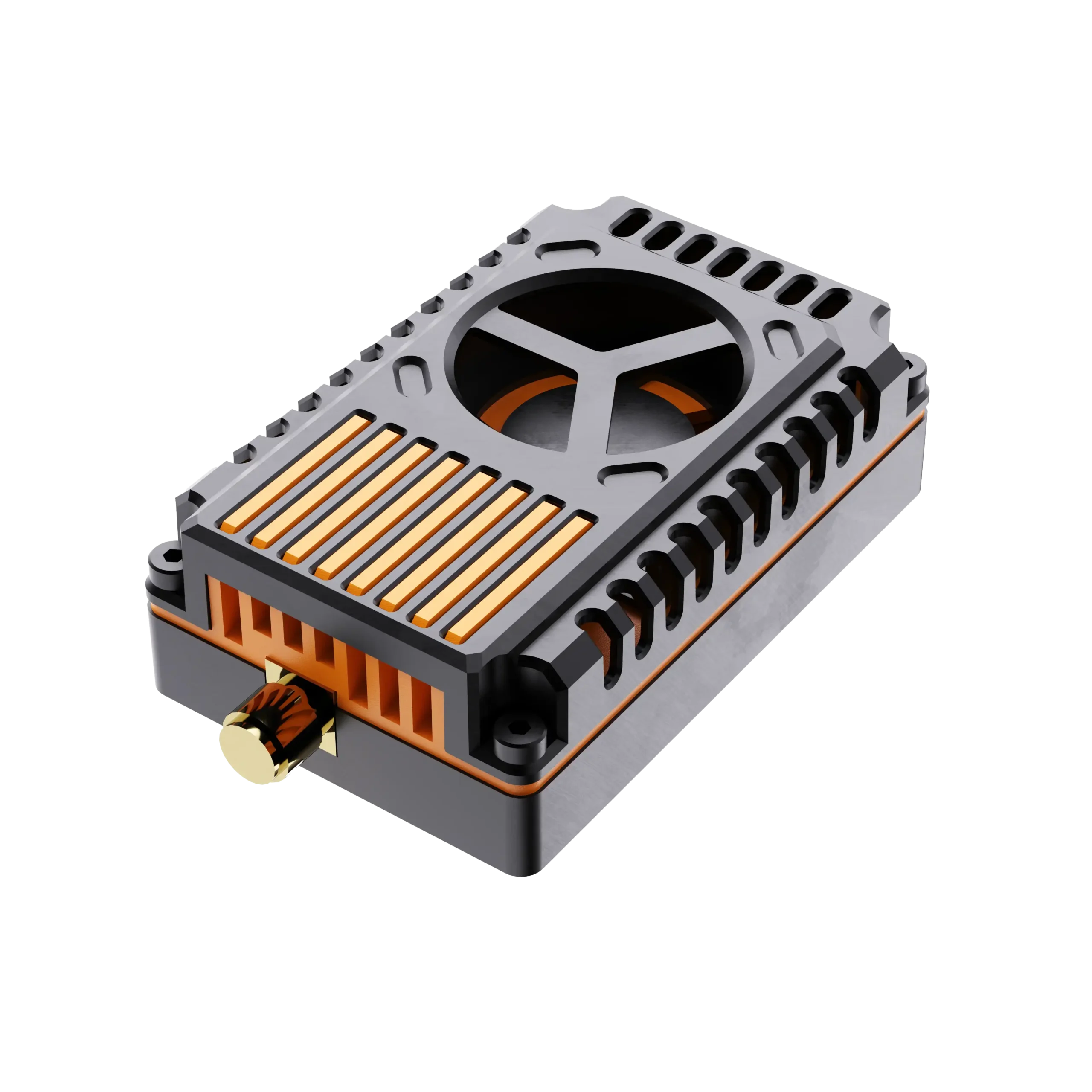
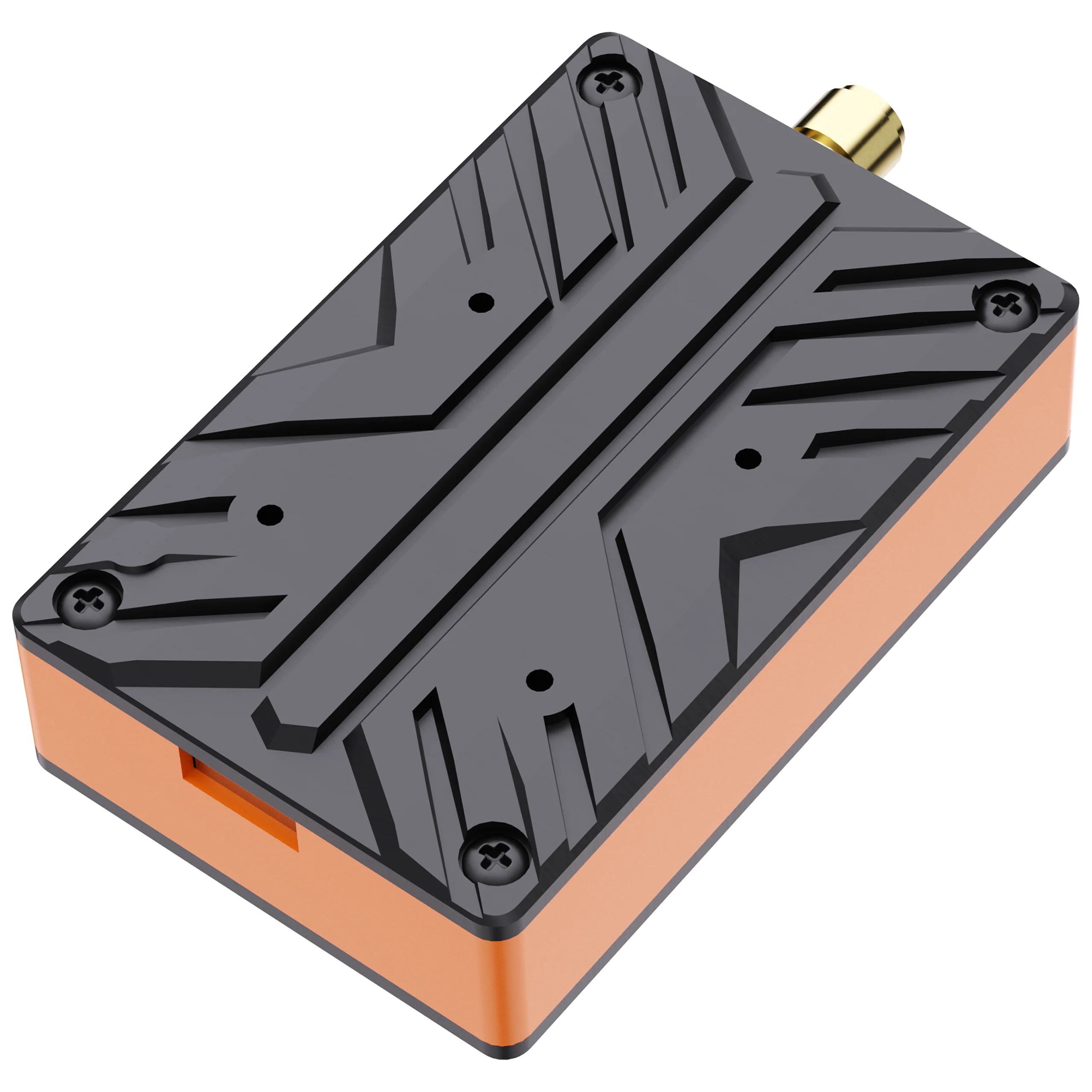
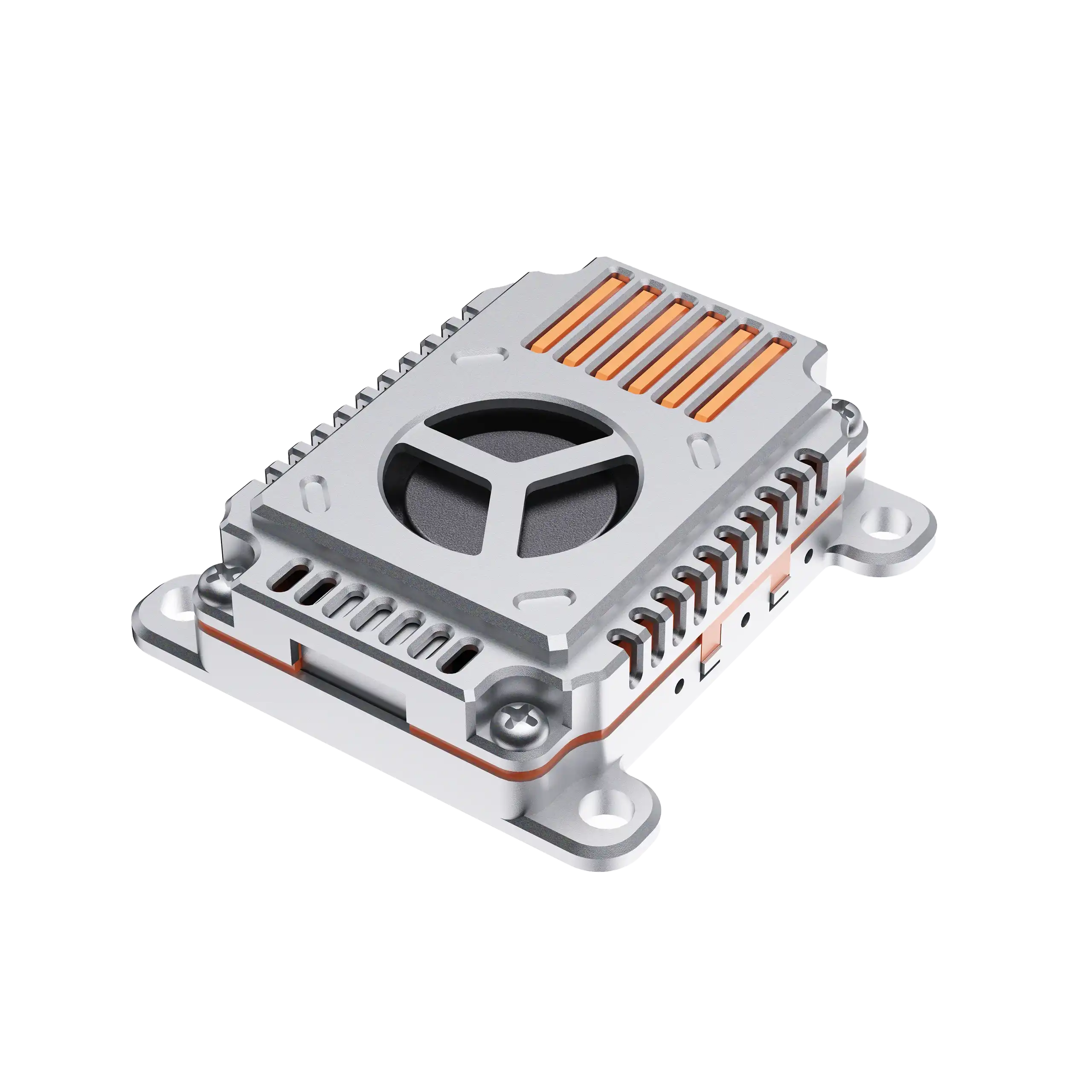
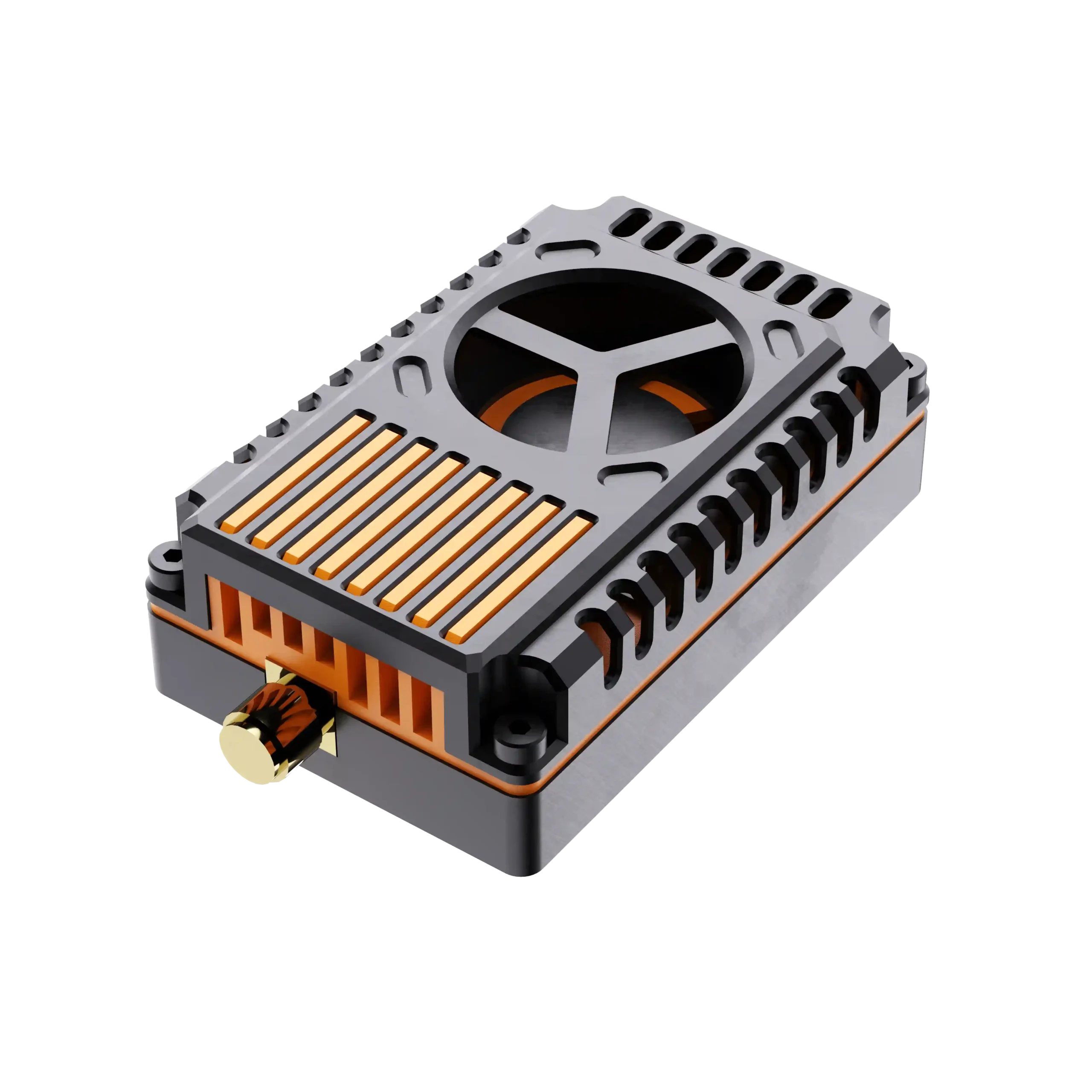
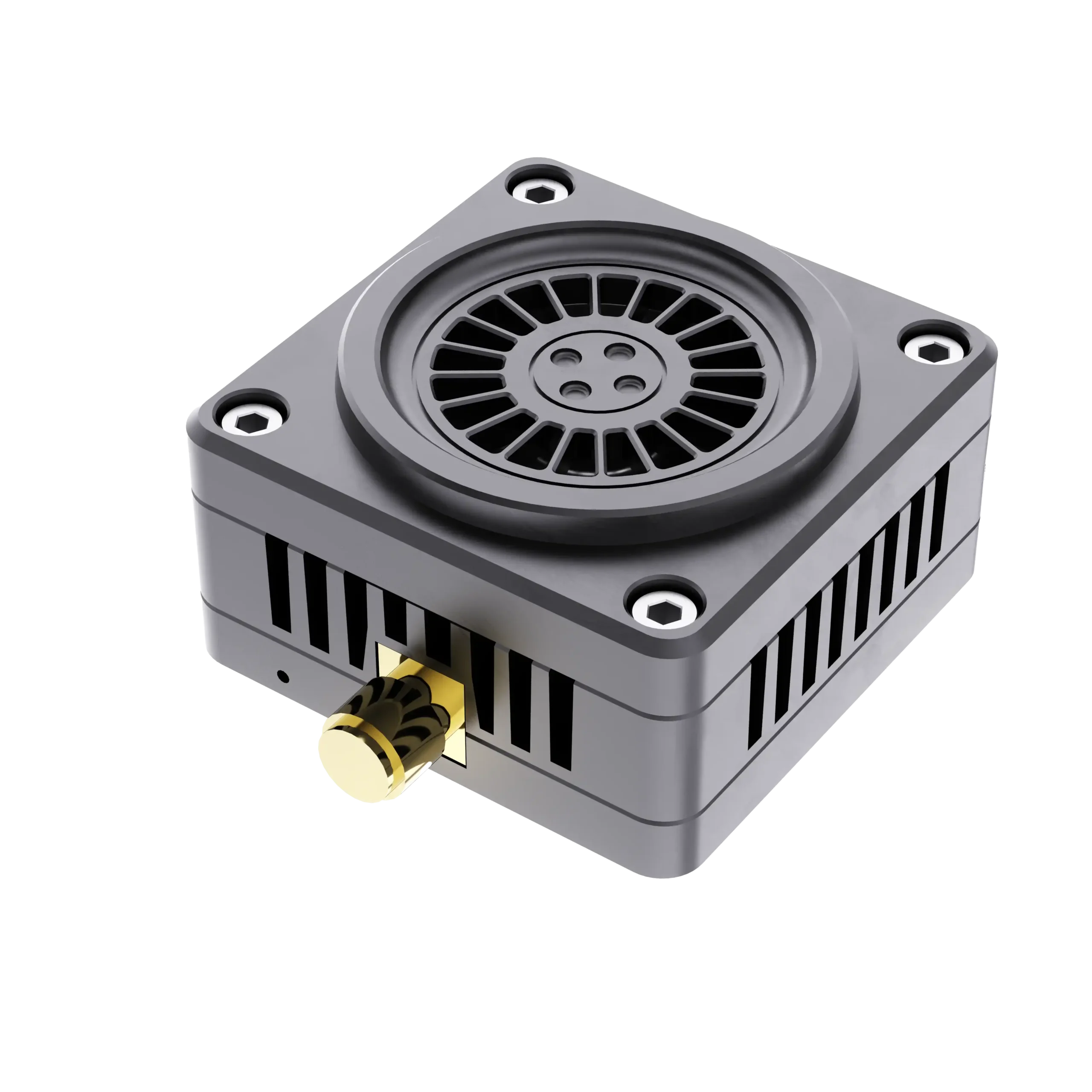
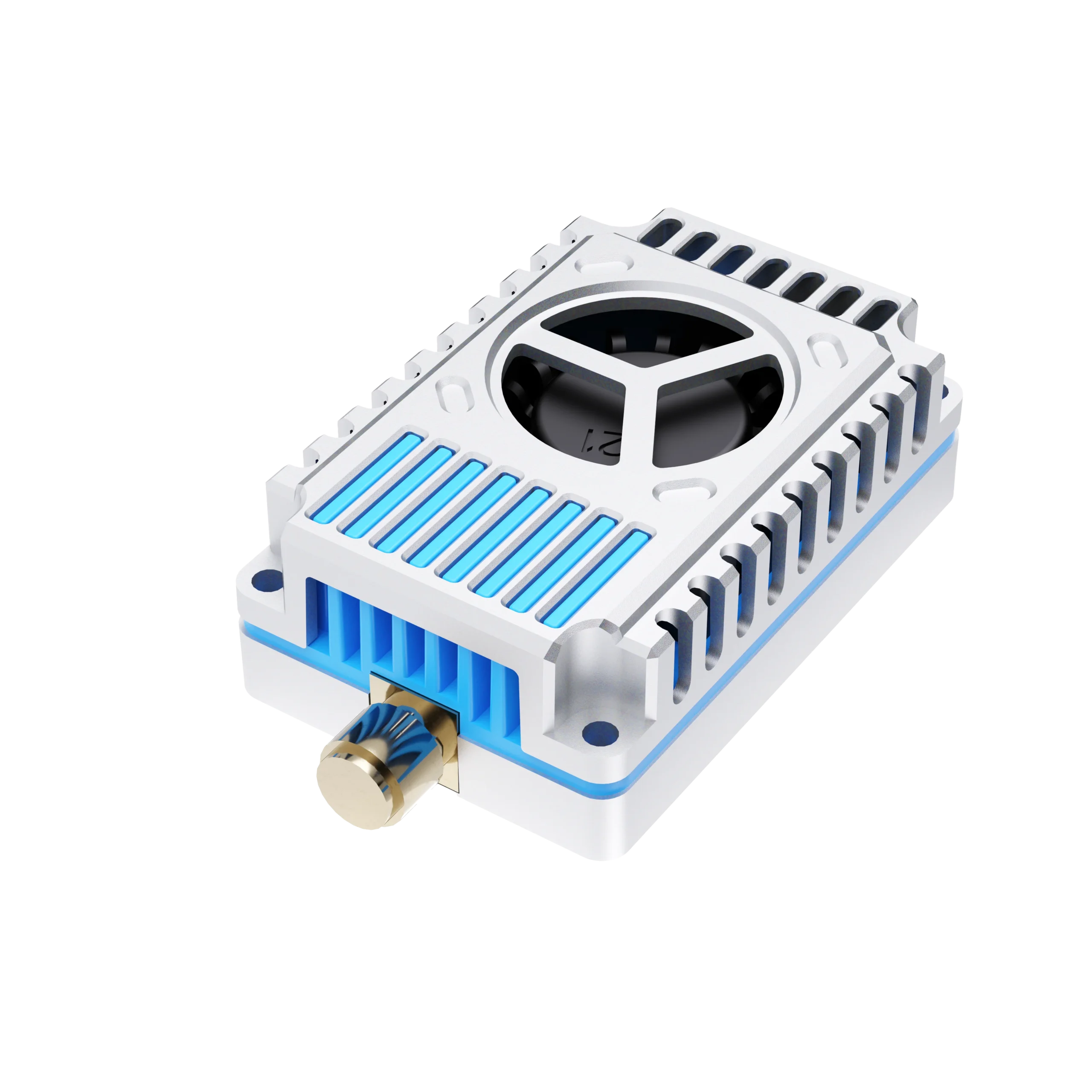
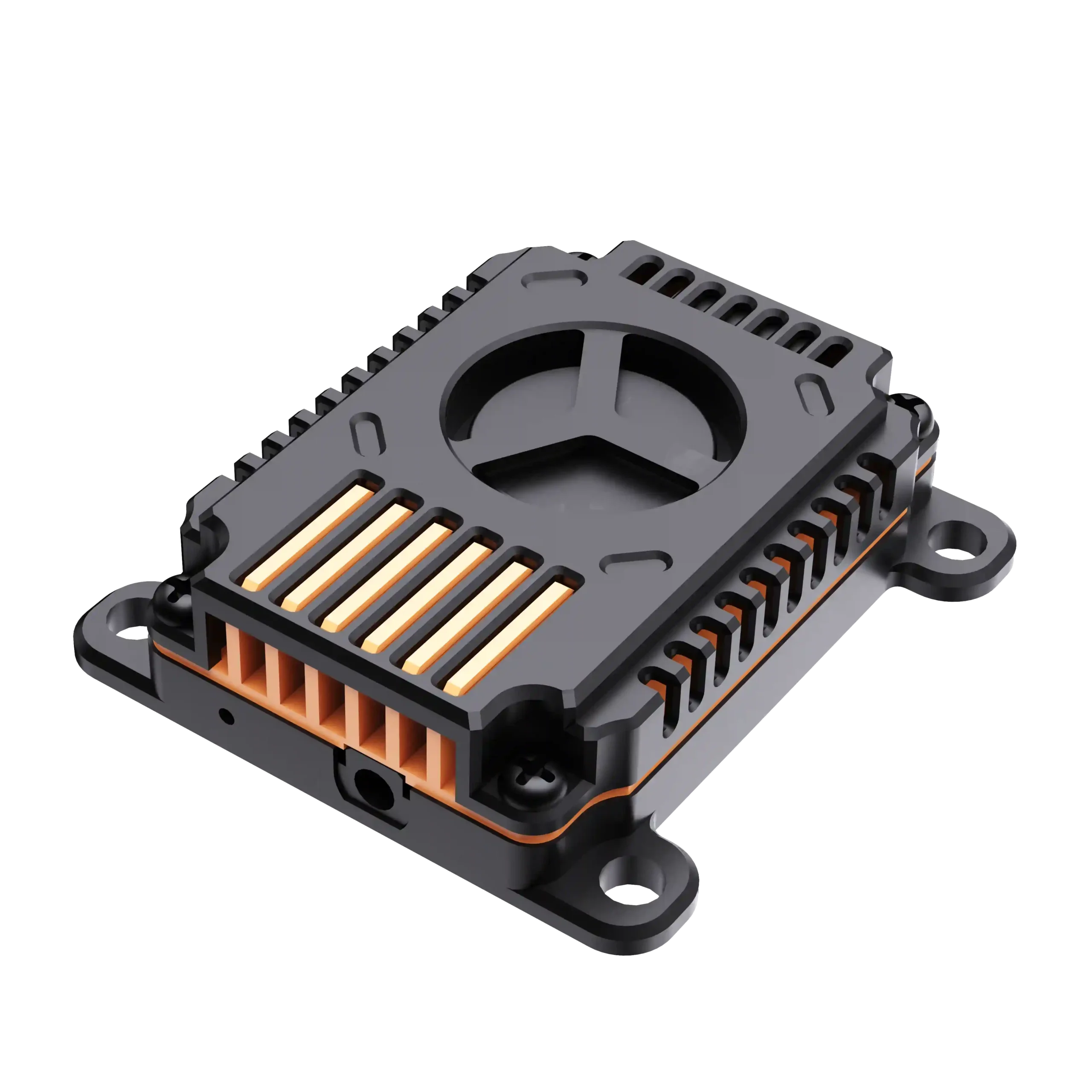
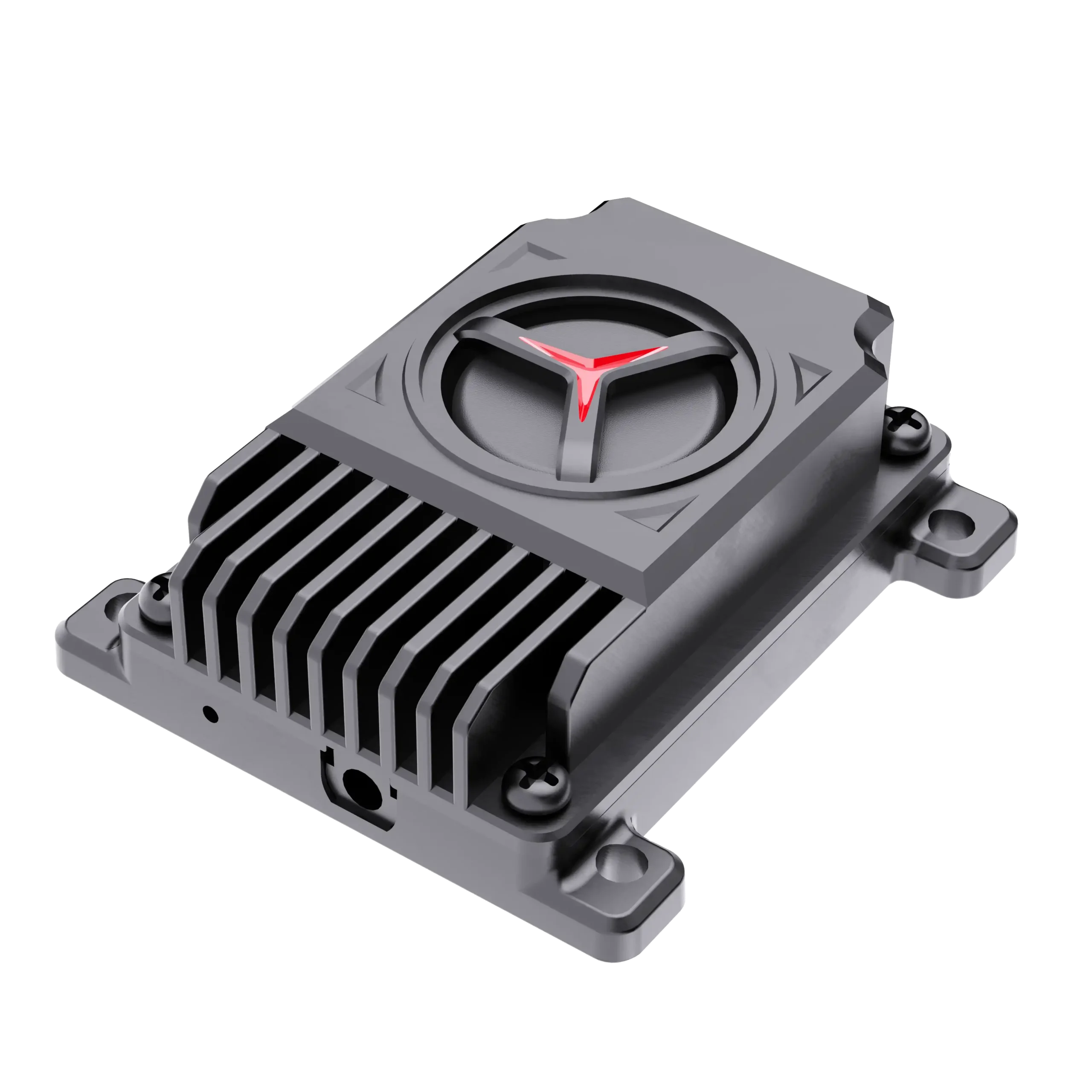
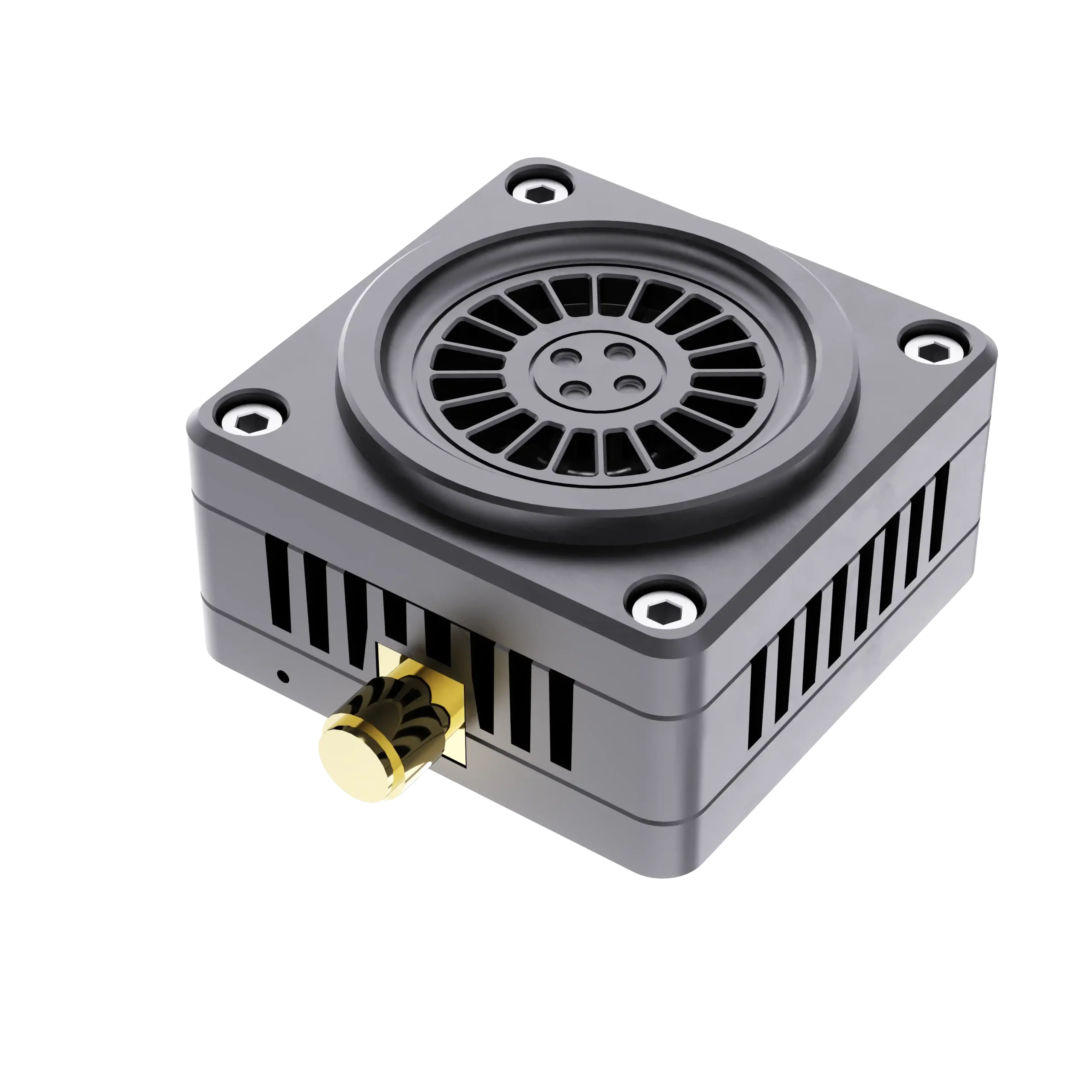
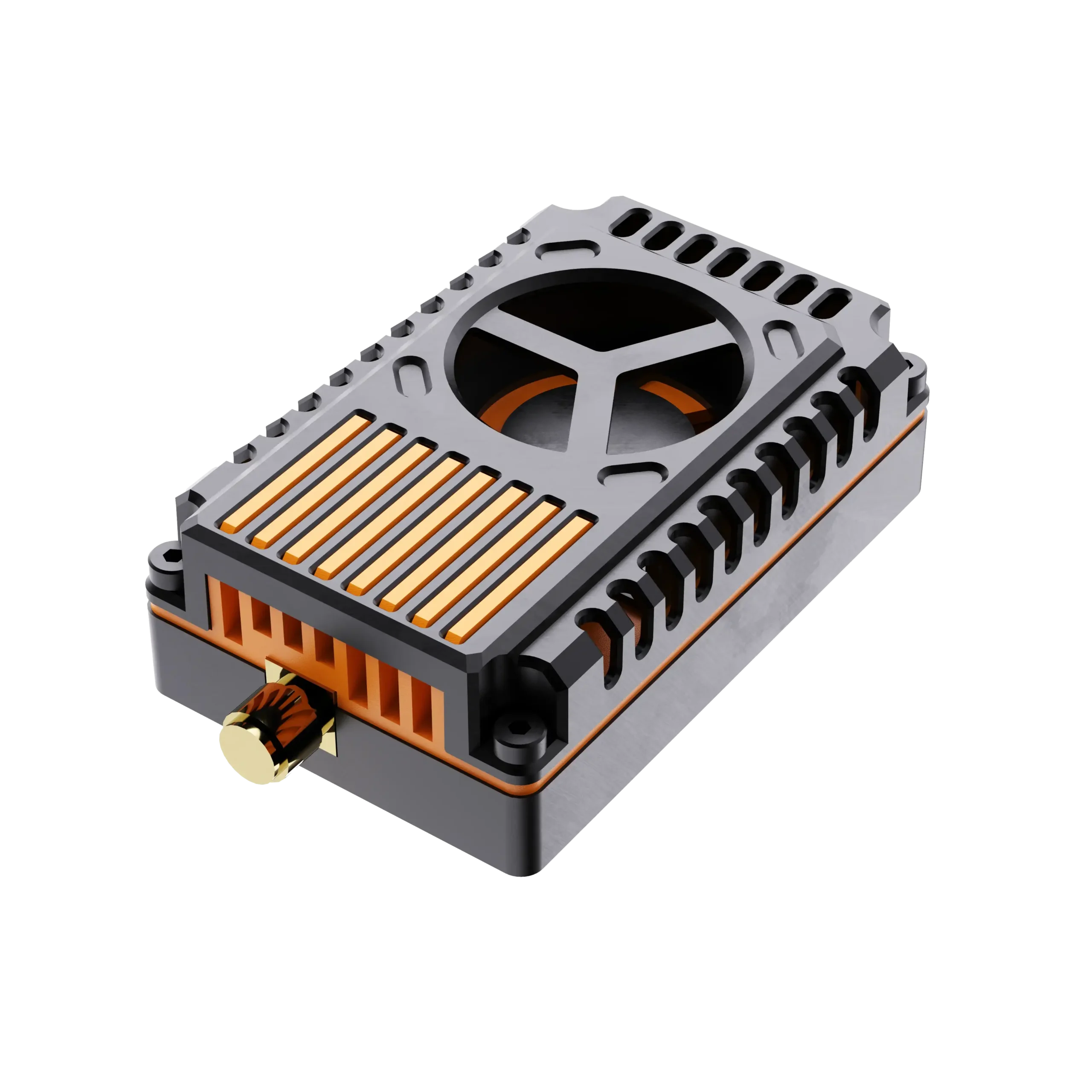
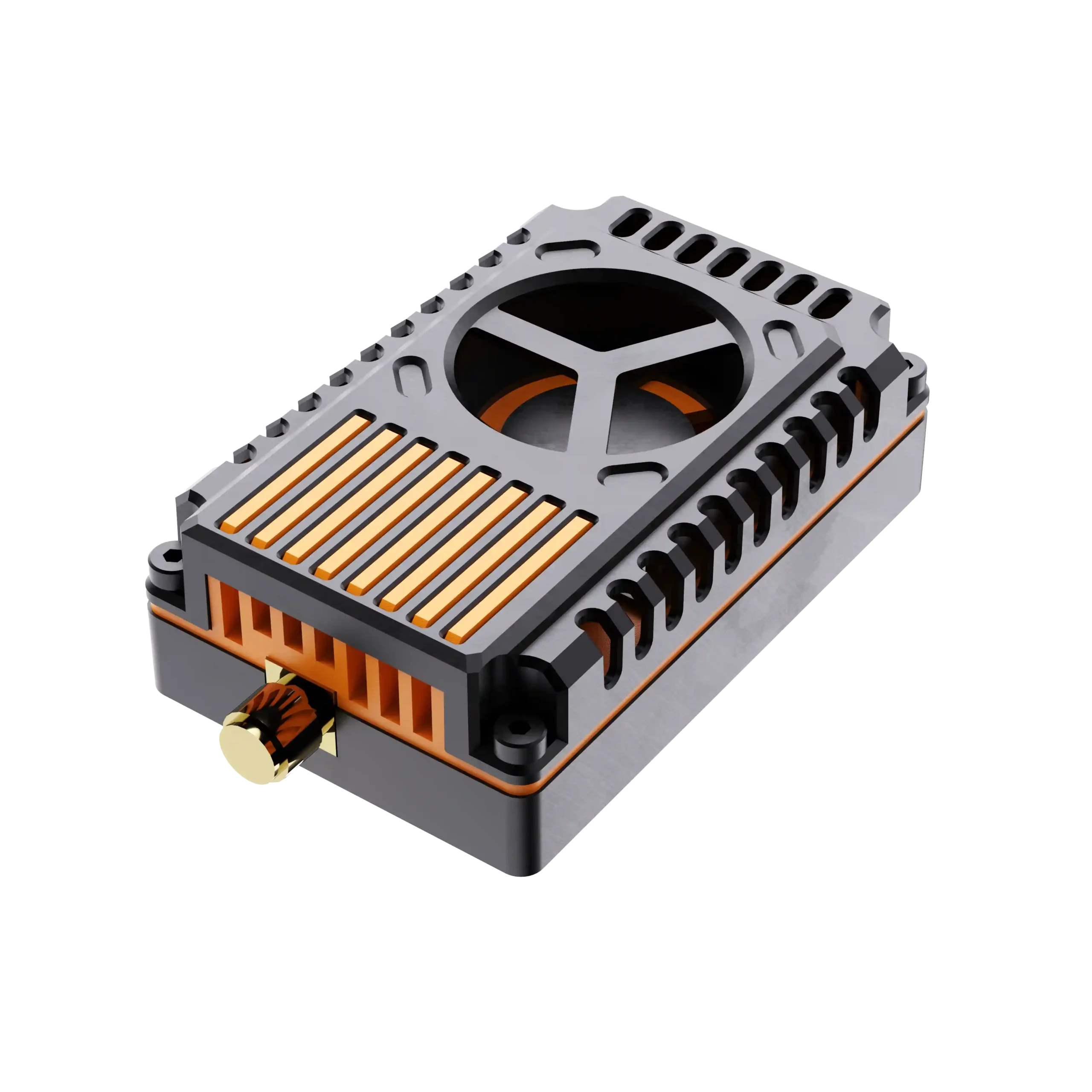
2. Video Transmitter — VTX
The VTX receives video from the camera and converts it into an RF signal that can be transmitted wirelessly.
Important VTX parameters include:
- operating frequency
- output power
- channel configuration
- input voltage
- antenna connector
- control protocol
- dimensions and mounting pattern
- thermal design
For commercial projects, these parameters can be more important than simply choosing the highest available transmitter power.
For example, DMKR’s current VTX range includes multiple frequency bands and configurations rather than only conventional 5.8GHz models.
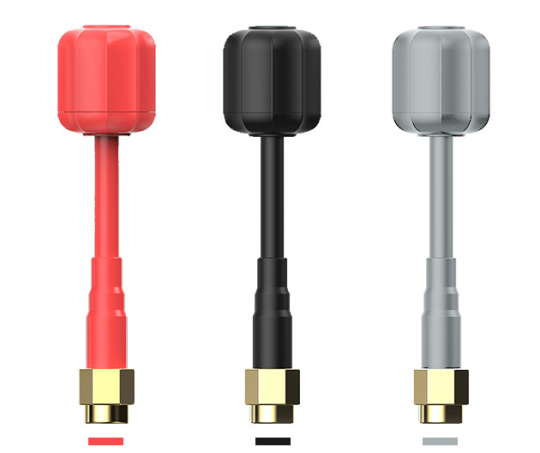
3. Antennas
The antenna converts RF energy between the transmitter or receiver and the wireless environment.
Antenna selection can significantly affect practical link performance.
Frequency compatibility is essential. An antenna designed for one frequency band should not automatically be assumed to work efficiently across another.
Antenna direction, polarization, gain and installation position also affect the complete system.
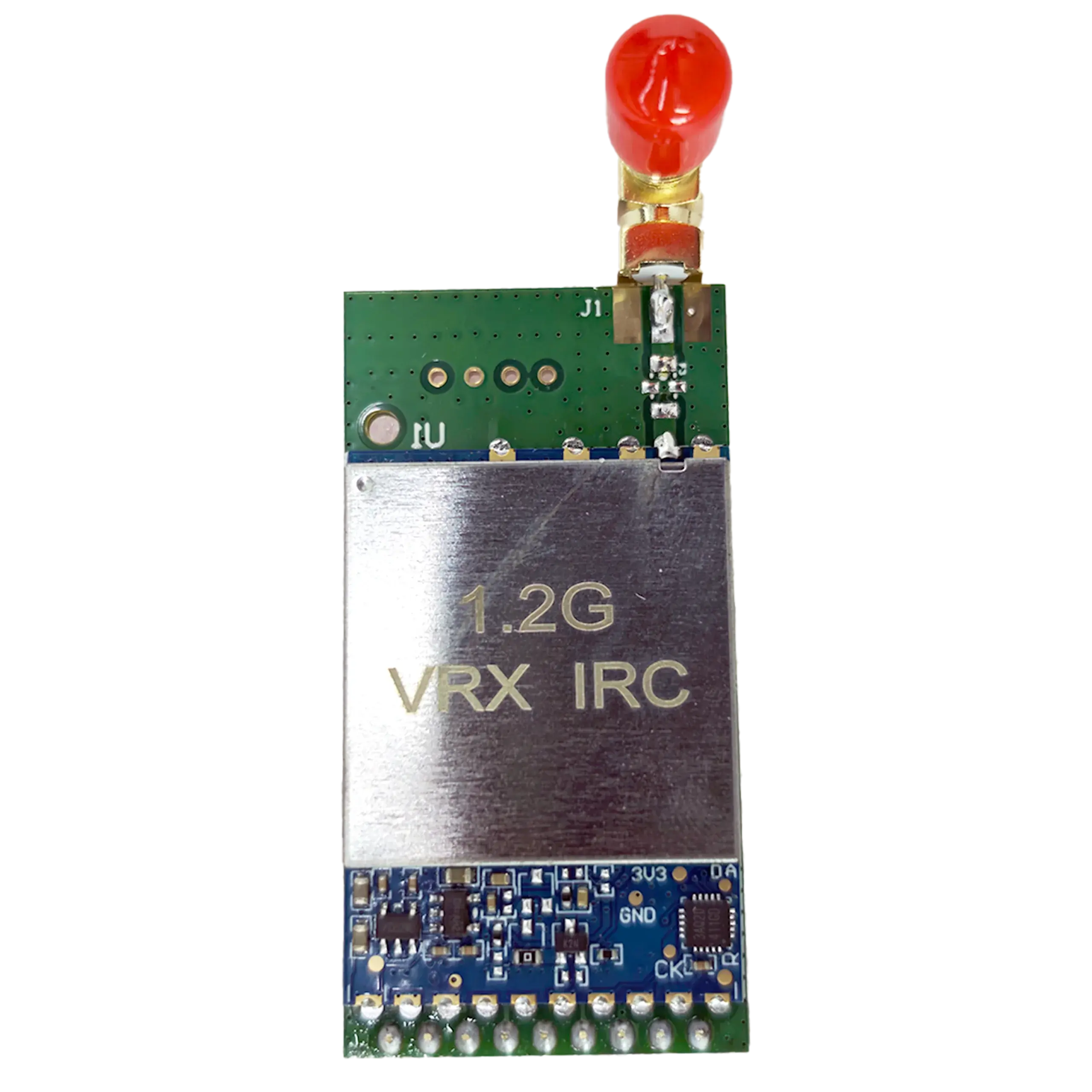
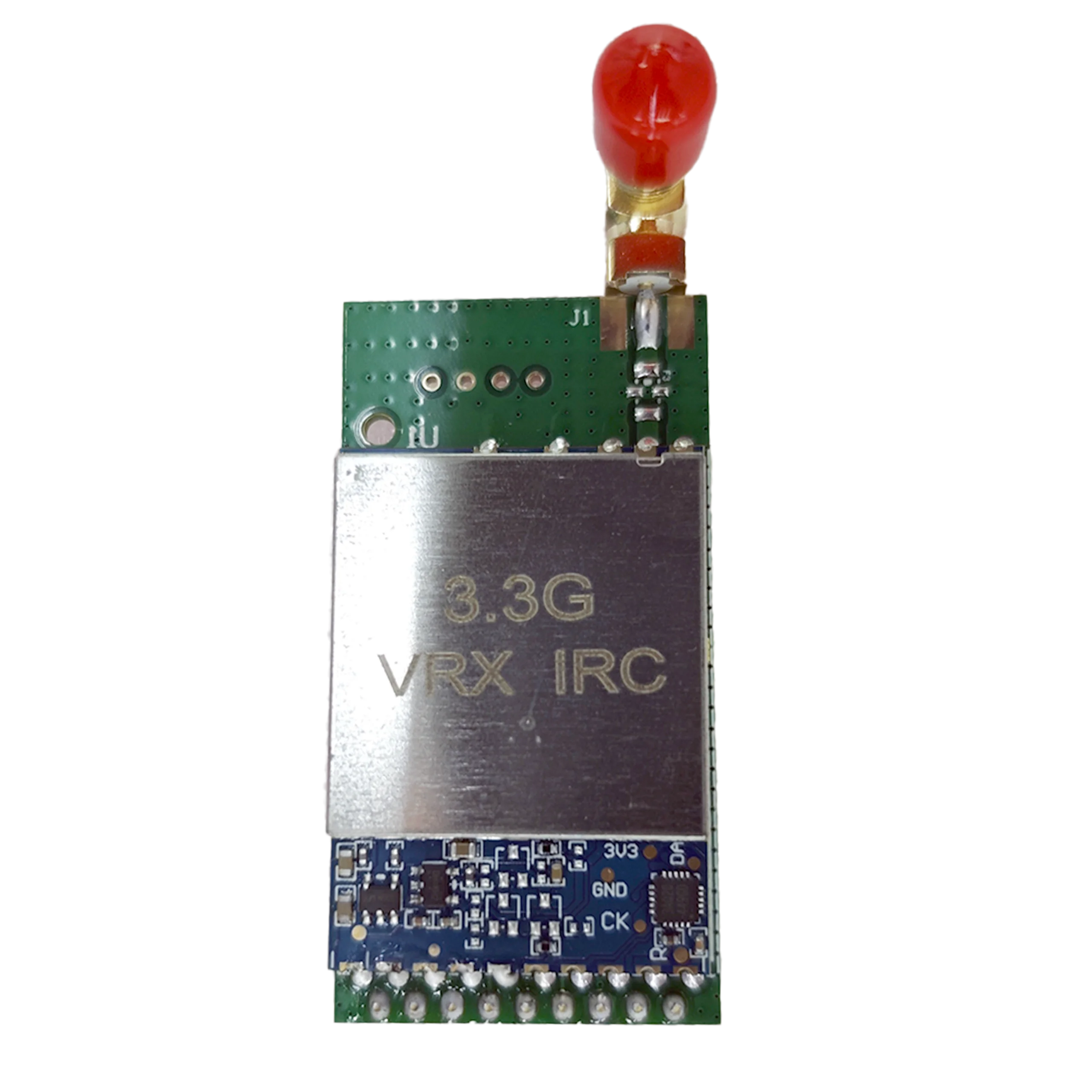
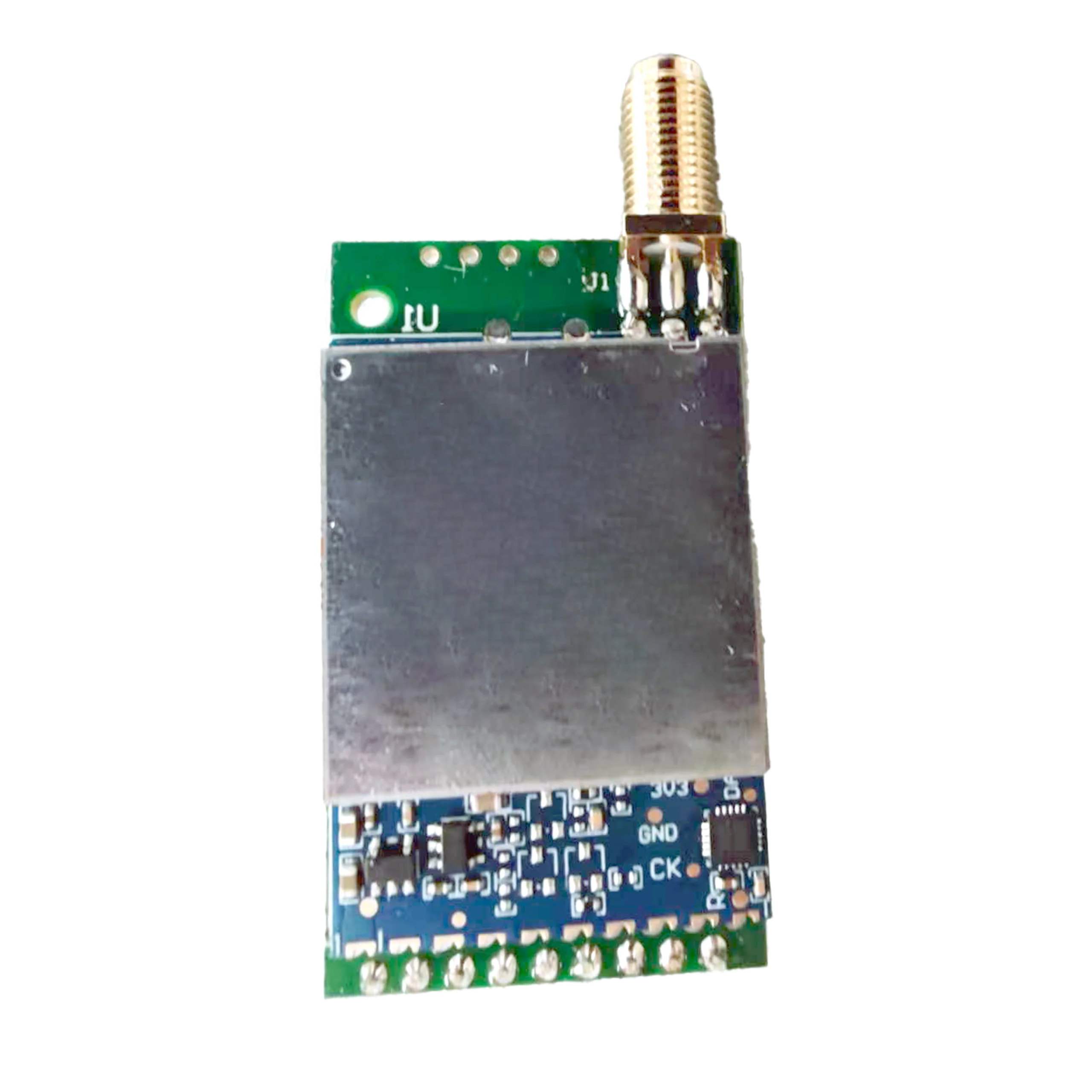
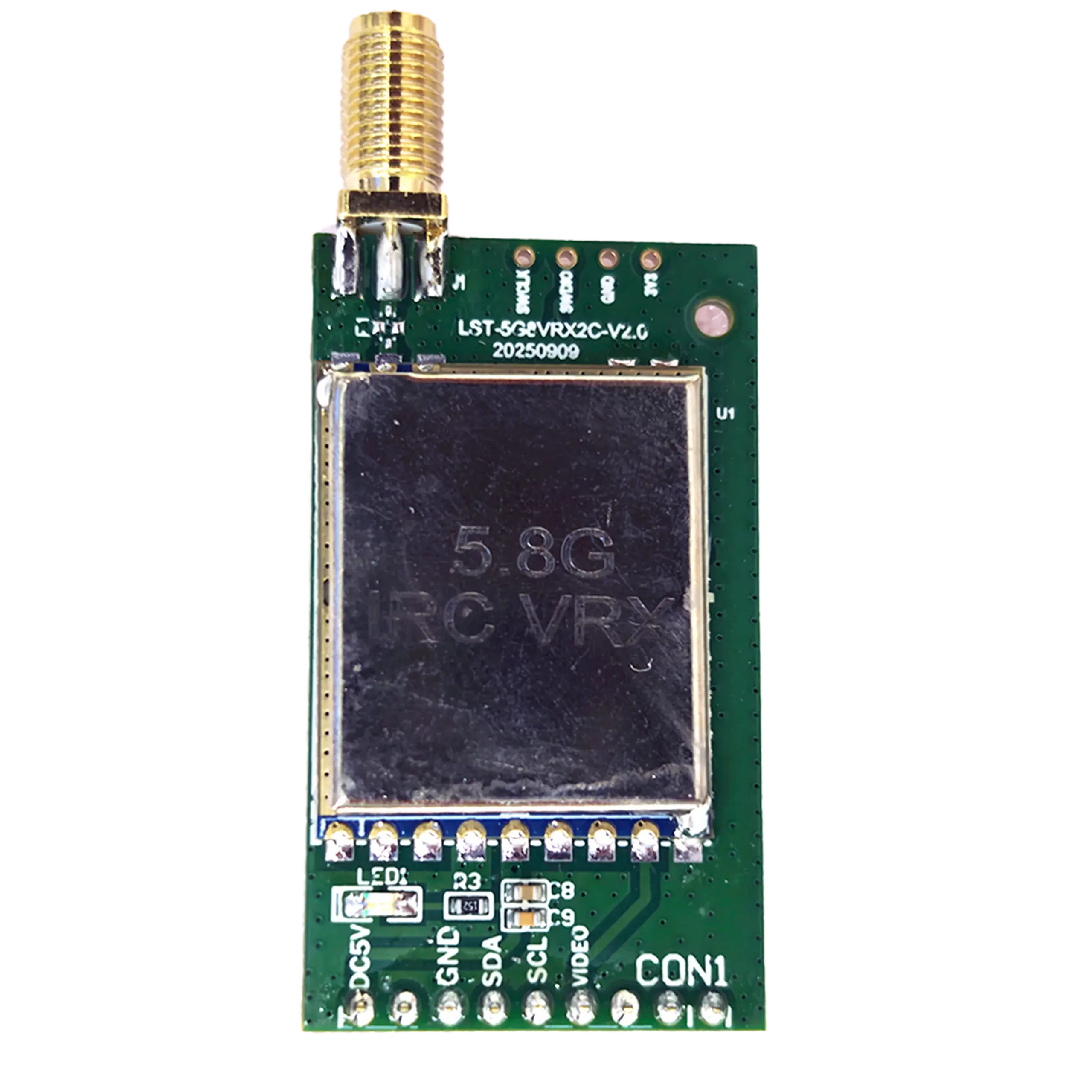
4. Video Receiver — VRX
The receiver performs the opposite function of the VTX.
It receives the RF signal and converts it back into usable video.
Depending on the system architecture, the VRX can be:
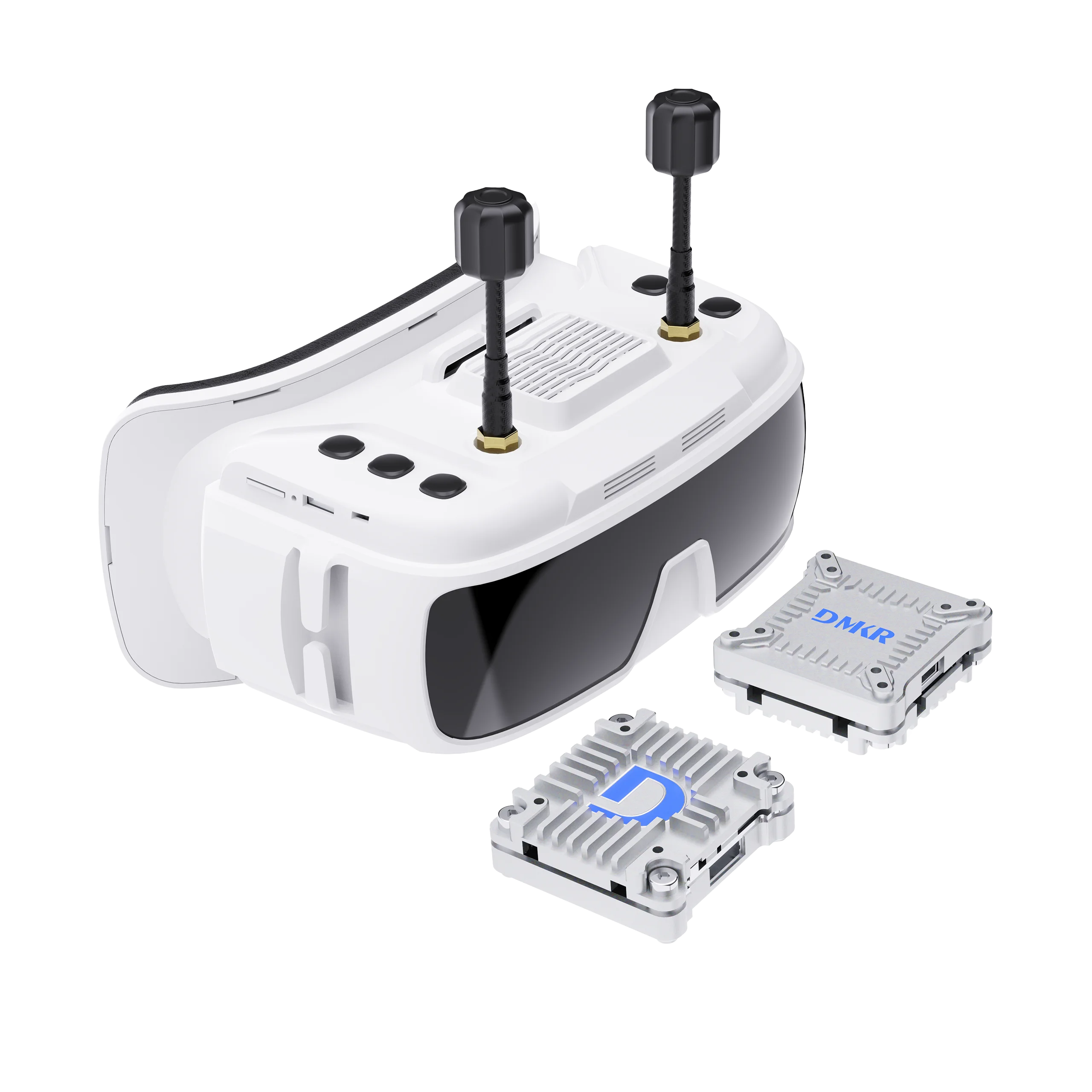
built into FPV goggles,
built into a monitor,
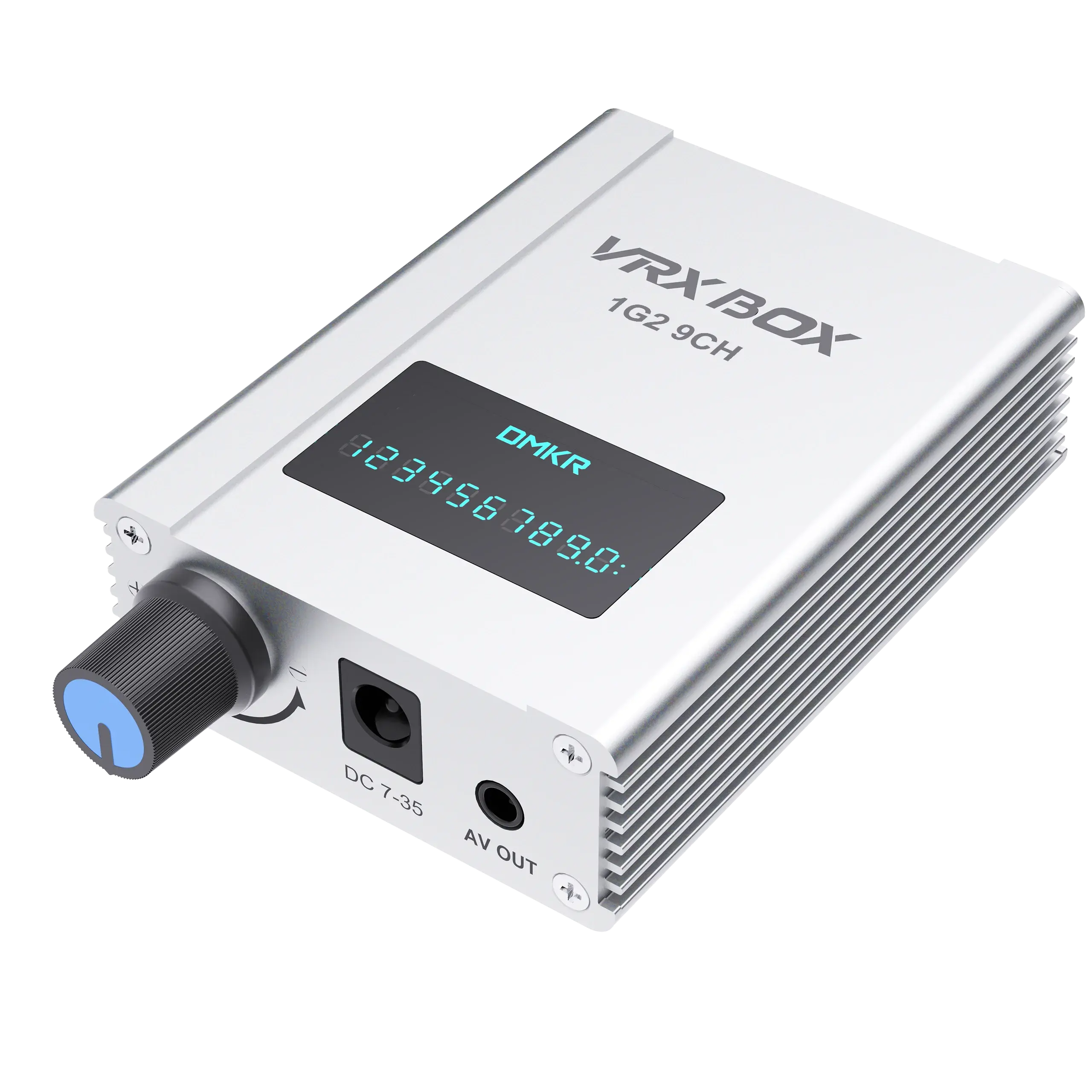
or installed as an independent receiver module.
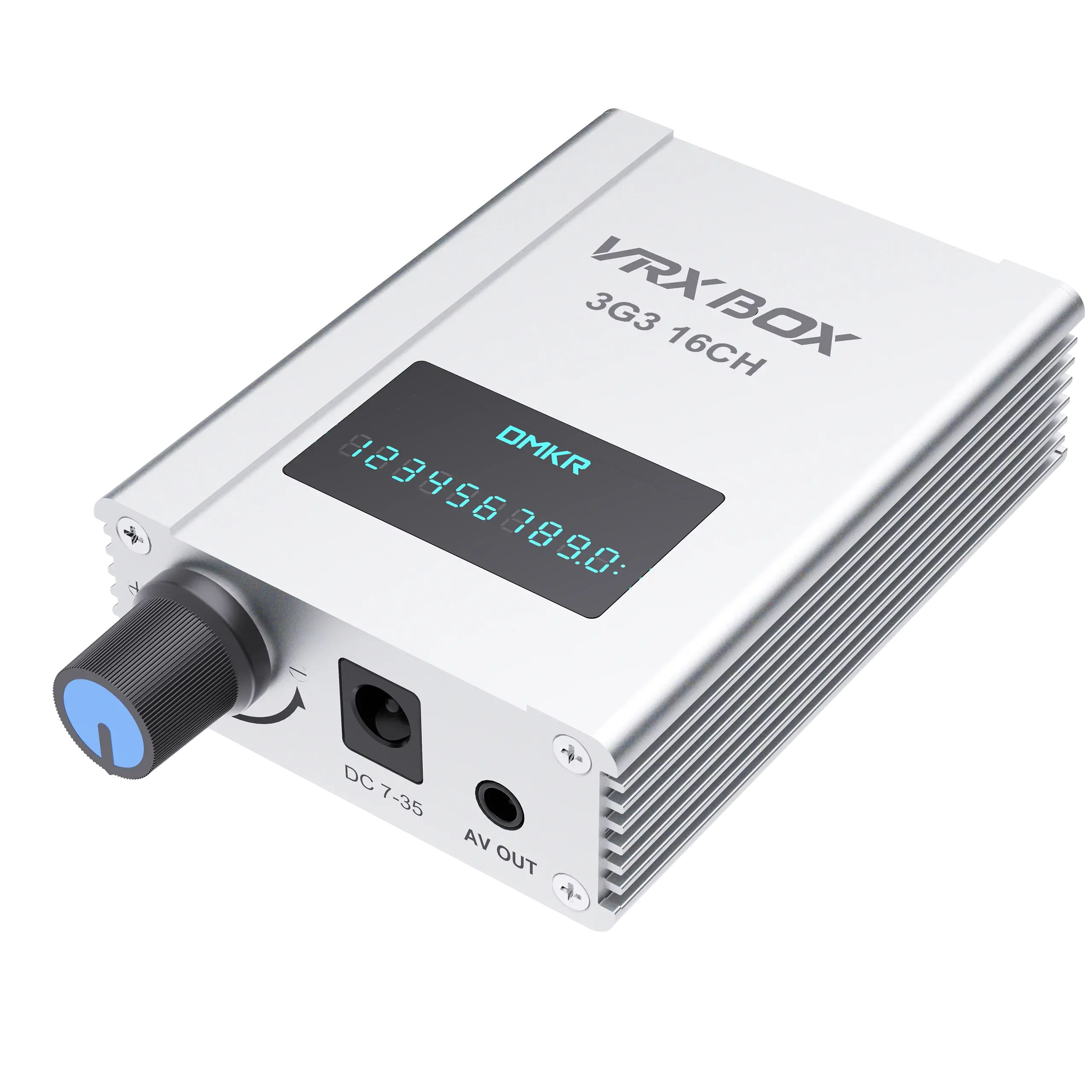
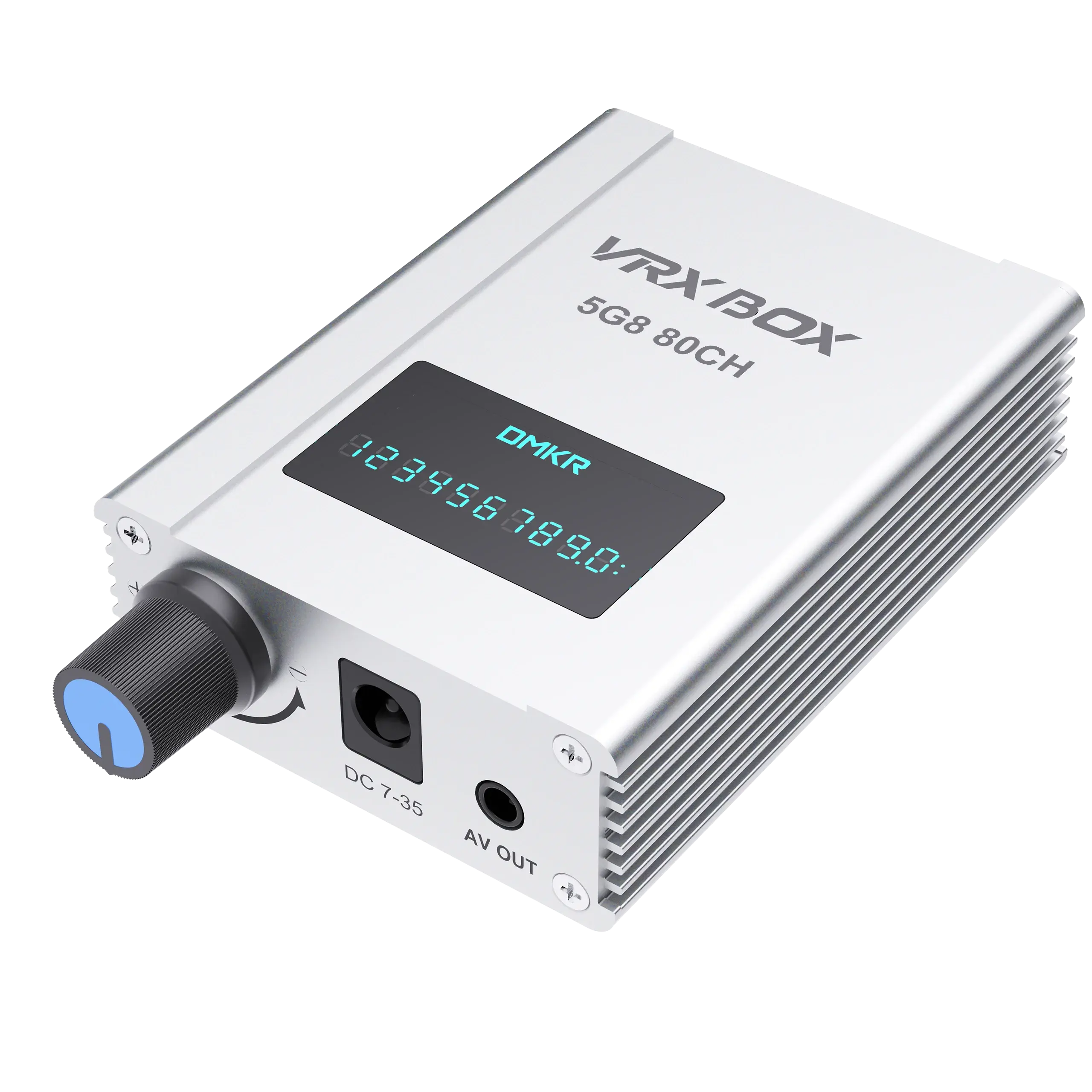
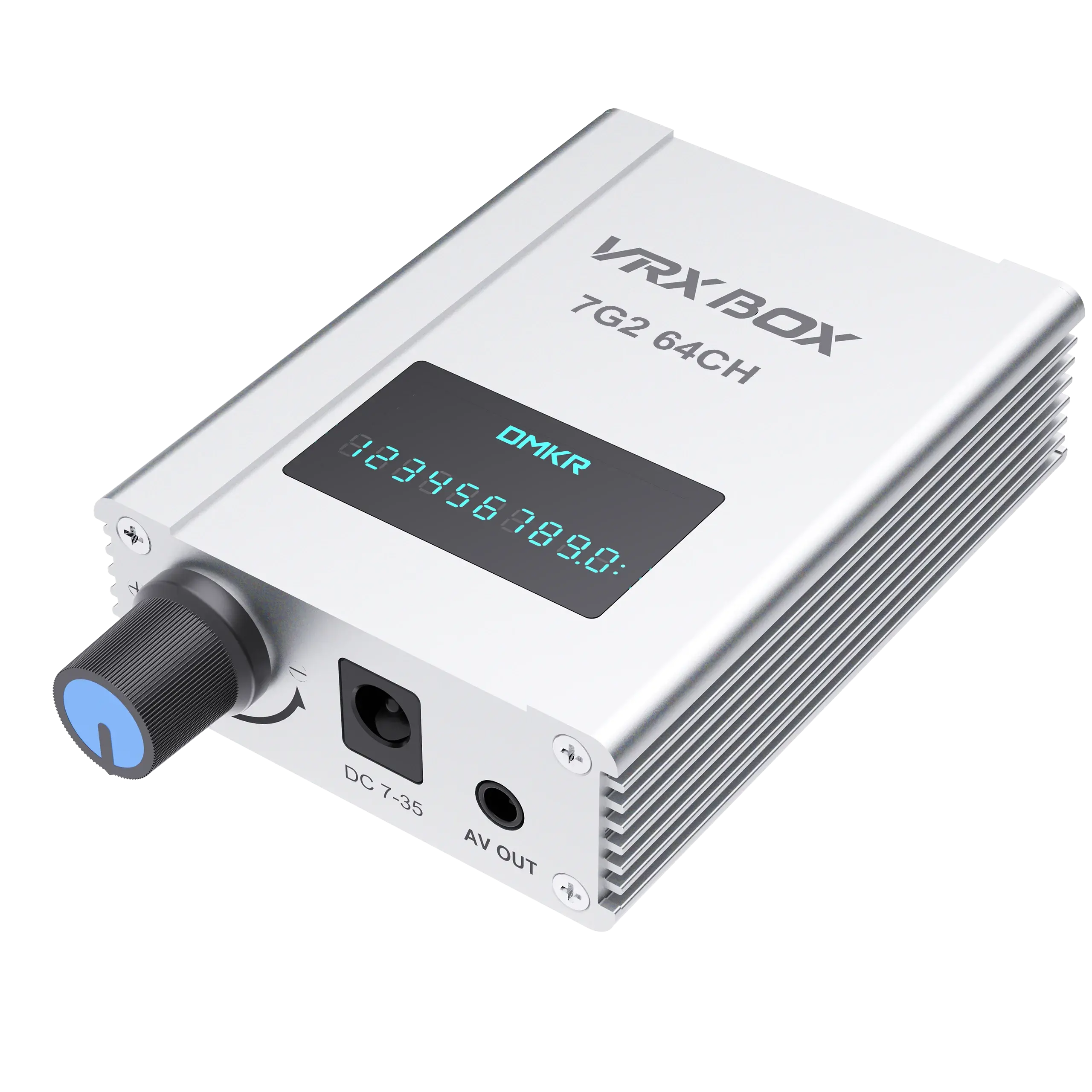
DMKR currently produces receiver modules across several frequency ranges, including compact modules intended for integration into goggles and portable receiving systems.
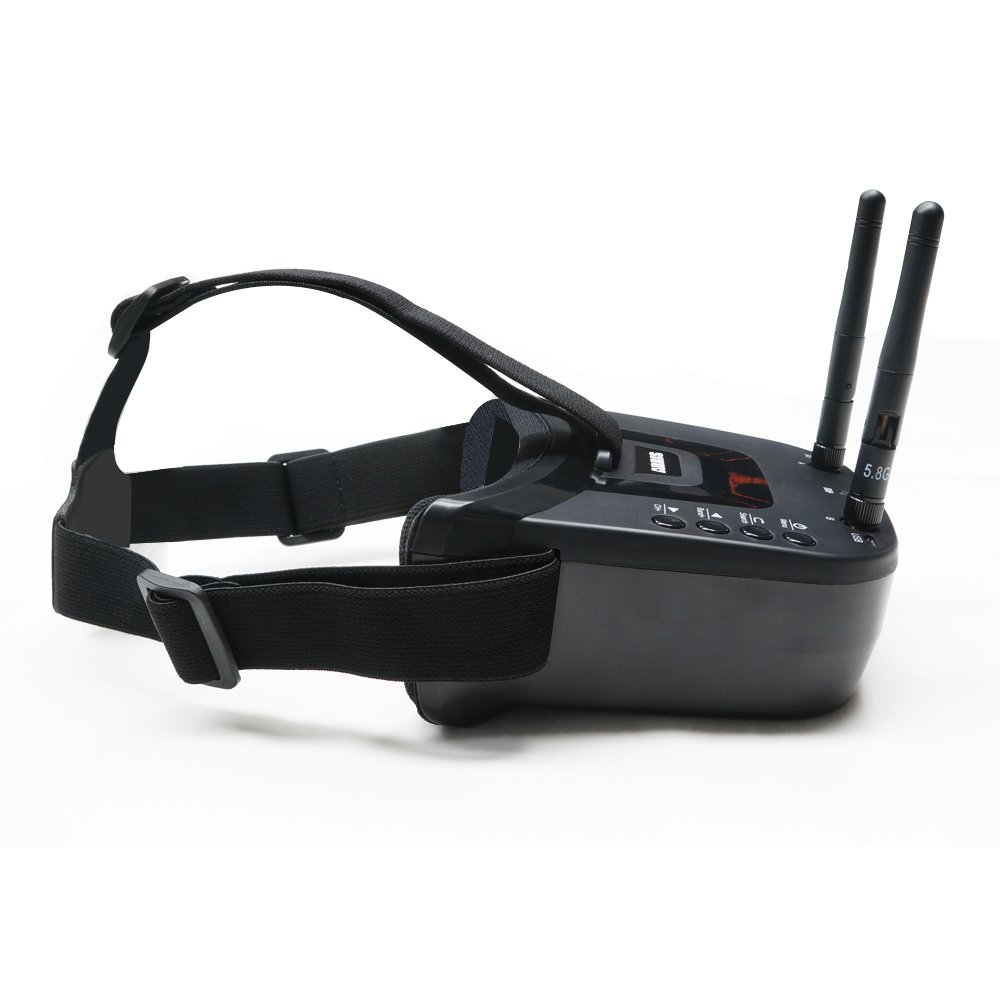
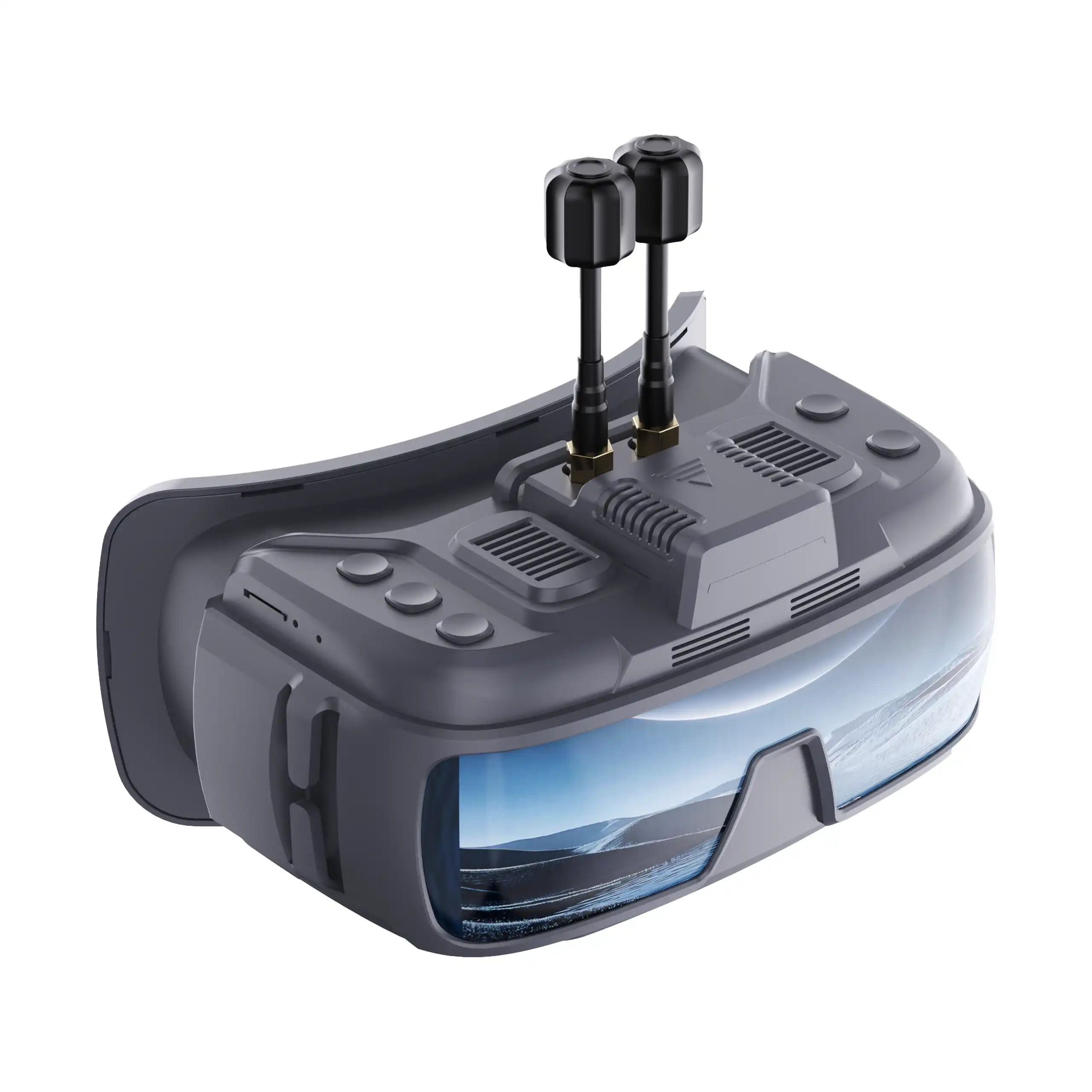
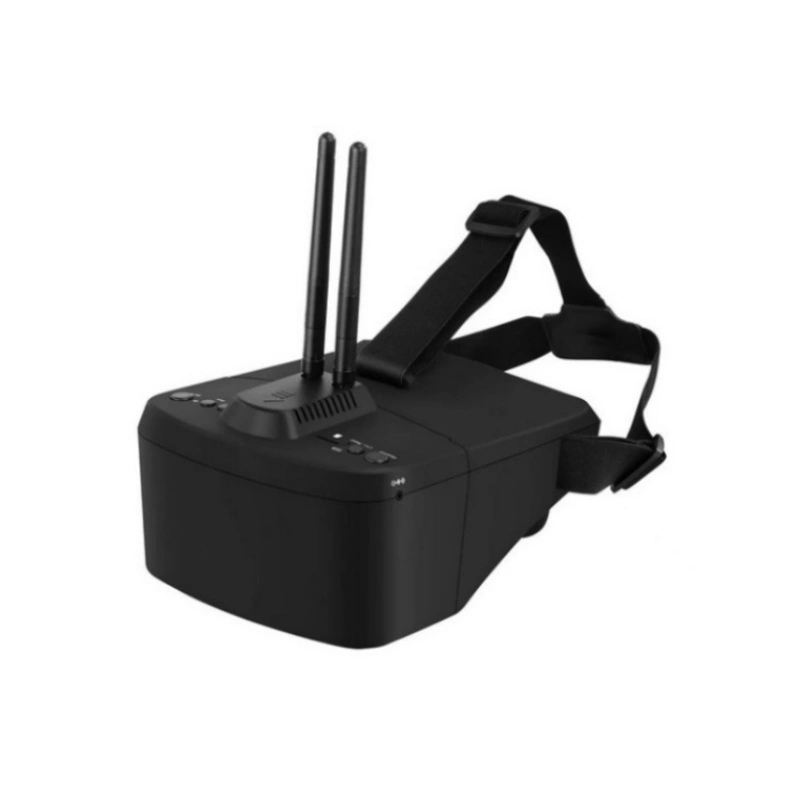
5. FPV Goggles and Monitors
Once the receiver reconstructs the video signal, it must be displayed.
FPV goggles provide an immersive first-person view and are commonly used for piloting.
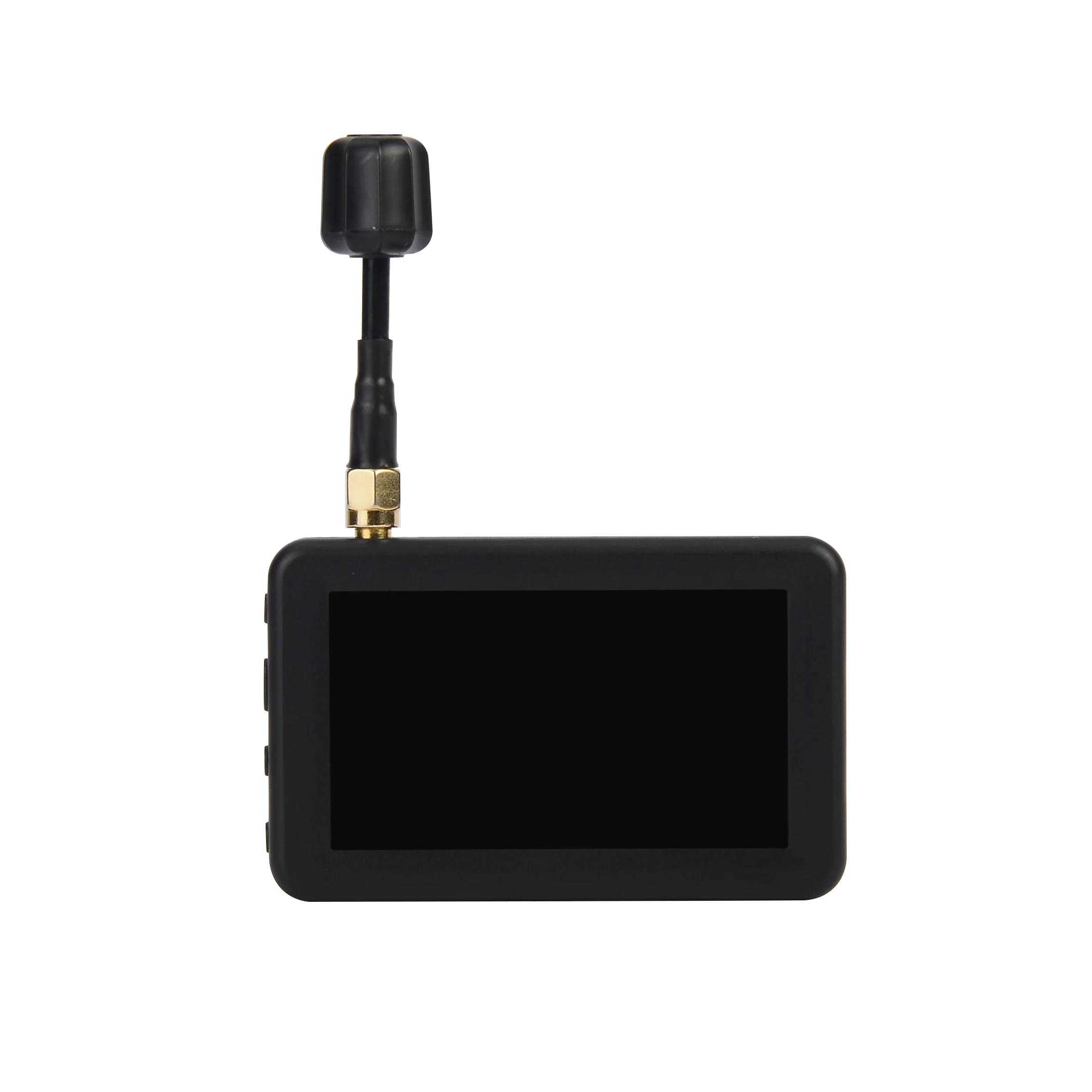
FPV monitors are useful when multiple people need to view the signal, during field testing, system setup, training or other applications where wearing goggles is inconvenient.
Some monitors integrate the receiver directly. For example, DMKR’s 5804 monitor combines a 5.8GHz receiver with a portable display and AV interfaces.
6. DVR
A DVR records the received video.
Depending on the system, DVR functionality may be integrated into goggles or monitors, or provided through an independent recording module.
An external DVR can also be useful when an existing receiving system needs recording capability without replacing the complete display system. DMKR’s standalone Mini FPV DVR, for example, uses analog AV input/output and TF-card recording for this type of integration.
Building an FPV System as a Complete Link
One of the most common mistakes when selecting FPV components is evaluating each part independently.
A powerful transmitter does not automatically create a reliable video link.
The complete system depends on:
camera output,
VTX configuration,
frequency,
antenna system,
receiver sensitivity,
RF environment,
installation,
and ground-side equipment.
For OEM and system-integration projects, these parameters should therefore be considered as one complete video link rather than a collection of unrelated components.
Conclusion
FPV video transmission is ultimately a system engineering problem.
Understanding the relationship between the camera, VTX, antennas, receiver and display makes it easier to select compatible components and identify where customization may be necessary.
For projects requiring different frequencies, output levels, channel configurations, connectors or mechanical designs, working directly with an FPV video transmission manufacturer can also reduce integration work during development.