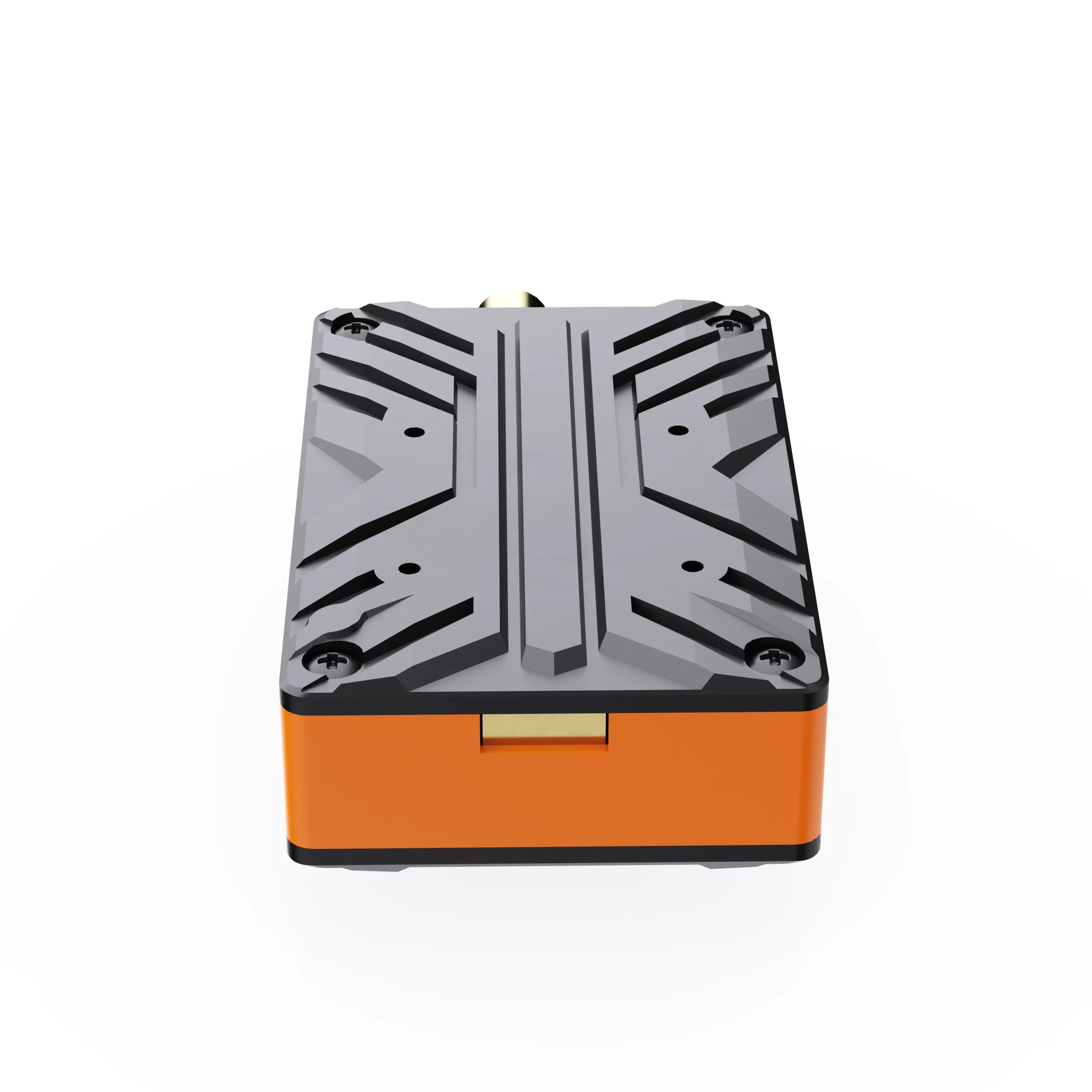
The sampled inspection results for the VTX output power at each corresponding frequency are as follows:
| A1-7060 |
A2-7080 |
A3-7100 |
A4-7120 |
A5-7140 |
A6-7160 |
A7-7180 |
A8-7200 |
| 39.1dBm |
38.9dBm |
39.2dBm |
39.4dBm |
39.4dBm |
39.5dBm |
39.6dBm |
39.7dBm |
| B1-7220 |
B2-7240 |
B3-7260 |
B4-7280 |
B5-7300 |
B6-7320 |
B7-7340 |
B8-7360 |
| 39.6dBm |
39.6dBm |
39.5dBm |
39.5dBm |
39.4dBm |
39.3dBm |
39.1dBm |
39.1dBm |
| E1-7380 |
E2-7400 |
E3-7420 |
E4-7440 |
E5-7460 |
E6-7480 |
E7-7500 |
E8-7520 |
| 39dBm |
39dBm |
38.8dBm |
38.8dBm |
38.9dBm |
38.8dBm |
38.7dBm |
38.5dBm |
| F1-7540 |
F2-7560 |
F3-7580 |
F4-7600 |
F5-7620 |
F6-7640 |
F7-7680 |
F8-7700 |
| 38.3dBm |
38.2dBm |
38dBm |
38dBm |
38dBm |
38dBm |
37.8dBm |
37.7dBm |
| I1-7720 |
I2-7740 |
I3-7760 |
I4-7780 |
I5-7800 |
I6-7820 |
I7-7840 |
I8-7860 |
| 37.7dBm |
37.6dBm |
37.5dBm |
37.4dBm |
37.2dBm |
37.2dBm |
37.1dBm |
37dBm |
| R1-7880 |
R2-7900 |
R3-7920 |
R4-7940 |
R5-7960 |
R6-7980 |
R7-8000 |
R8-8020 |
| 36.4dBm |
36.8dBm |
36.9dBm |
37dBm |
37.2dBm |
37.4dBm |
37.5dBm |
37.6dBm |
| P1-8040 |
P2-8060 |
P3-8080 |
P4-8100 |
P5-8120 |
P6-8140 |
P7-8160 |
P8-8180 |
| 37.2dBm |
37.2dBm |
37dBm |
37dBm |
37dBm |
37.1dBm |
37.3dBm |
37.5dBm |
| H1-8200 |
H2-8220 |
H3-8240 |
H4-8260 |
H5-8280 |
H6-8300 |
H7-8320 |
H8-8340 |
| 37.5dBm |
37.5dBm |
37.8dBm |
37.9dBm |
37.8dBm |
37.8dBm |
37.7dBm |
37.7dBm |
| U1-8360 |
U2-8380 |
U3-8400 |
U4-8420 |
U5-8440 |
U6-8460 |
U7-8480 |
U8-8500 |
| 37.9dBm |
37.8dBm |
37.7dBm |
37.5dBm |
37.3dBm |
37dBm |
36.7dBm |
36.2dBm |
| O1-7515 |
O2-7385 |
O3-7555 |
O4-7735 |
O5-7915 |
O6-8095 |
O7-8285 |
O8-8475 |
| 39.3dBm |
38.7dBm |
38.4dBm |
37.6dBm |
37dBm |
37.1dBm |
37.6dBm |
36.7dBm |
Overview
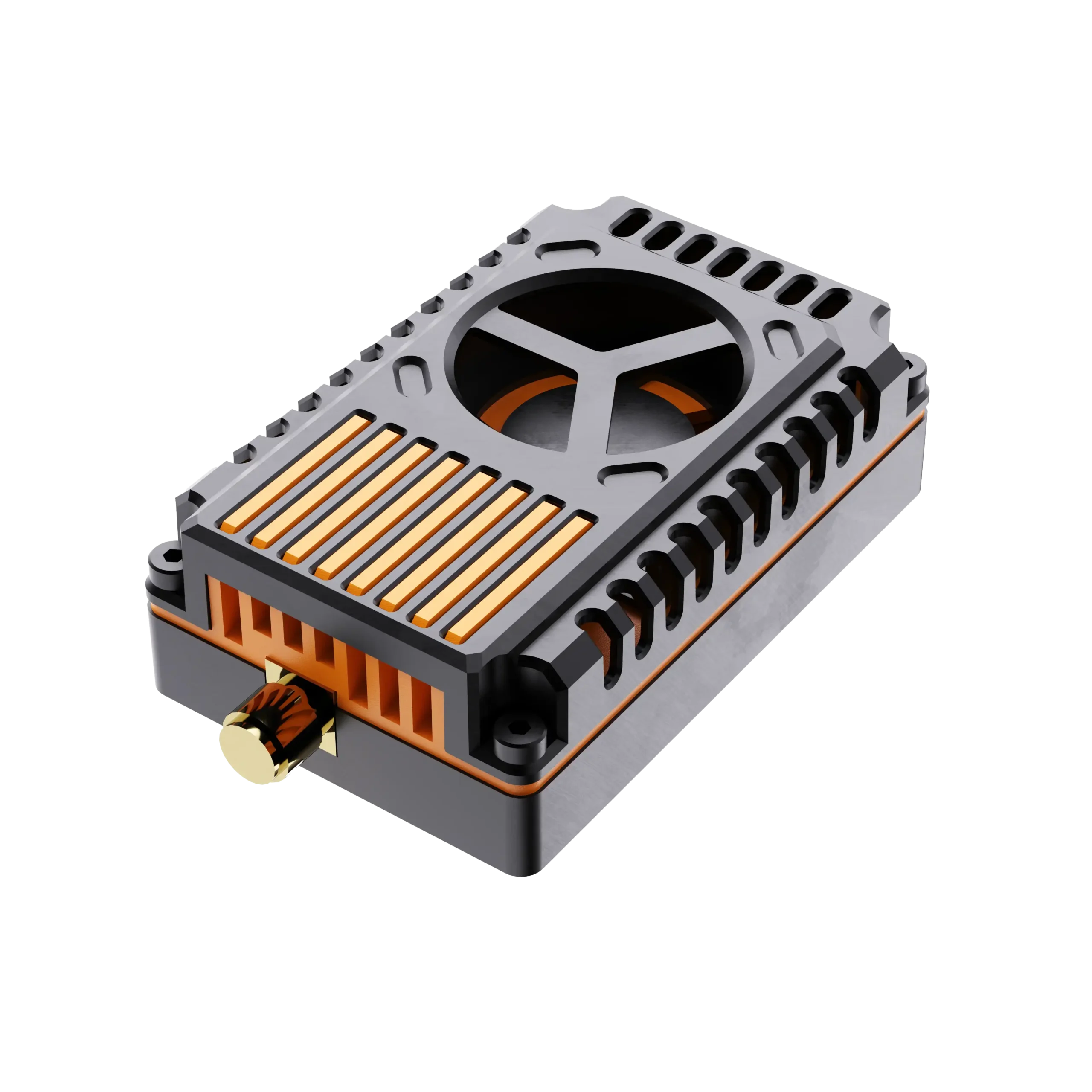
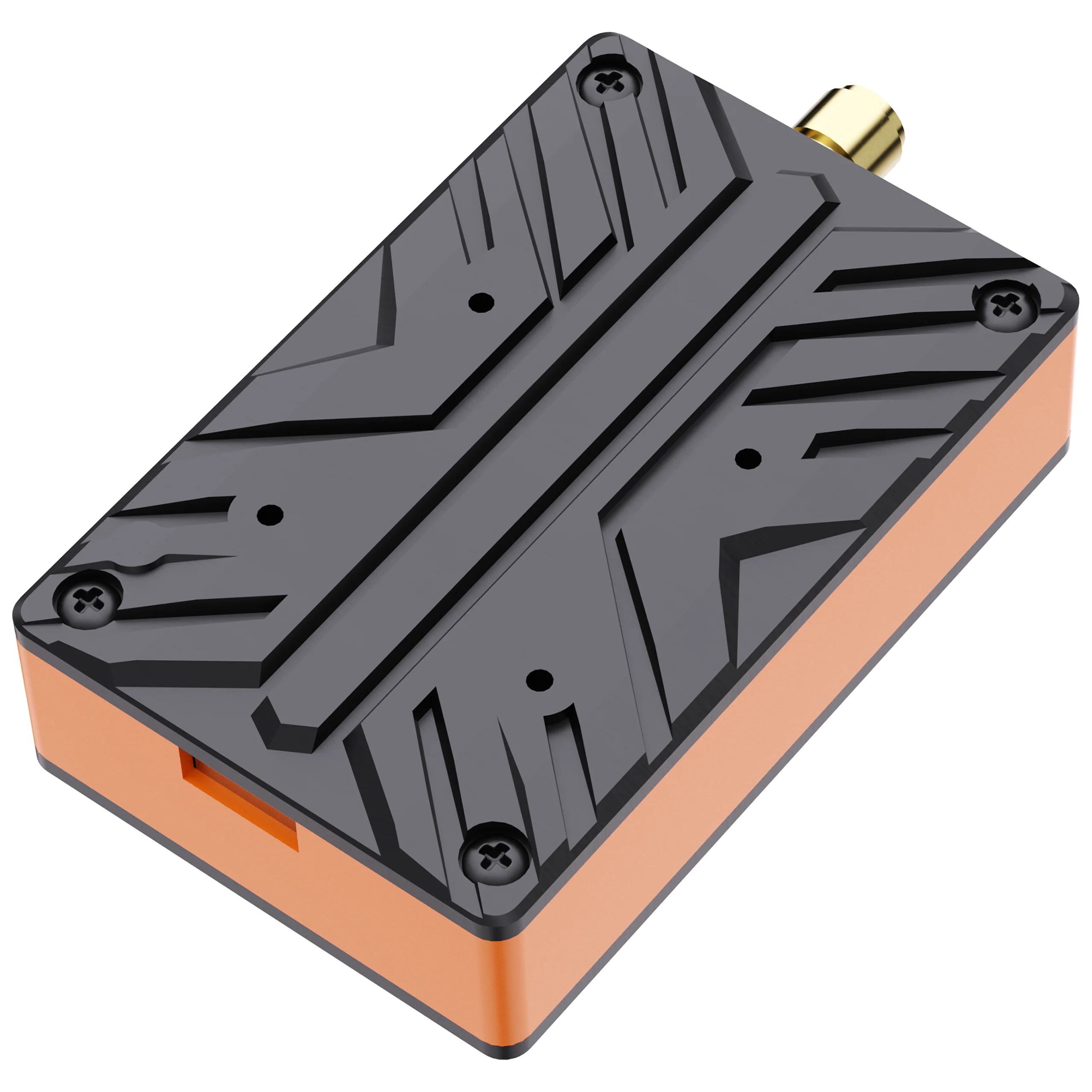
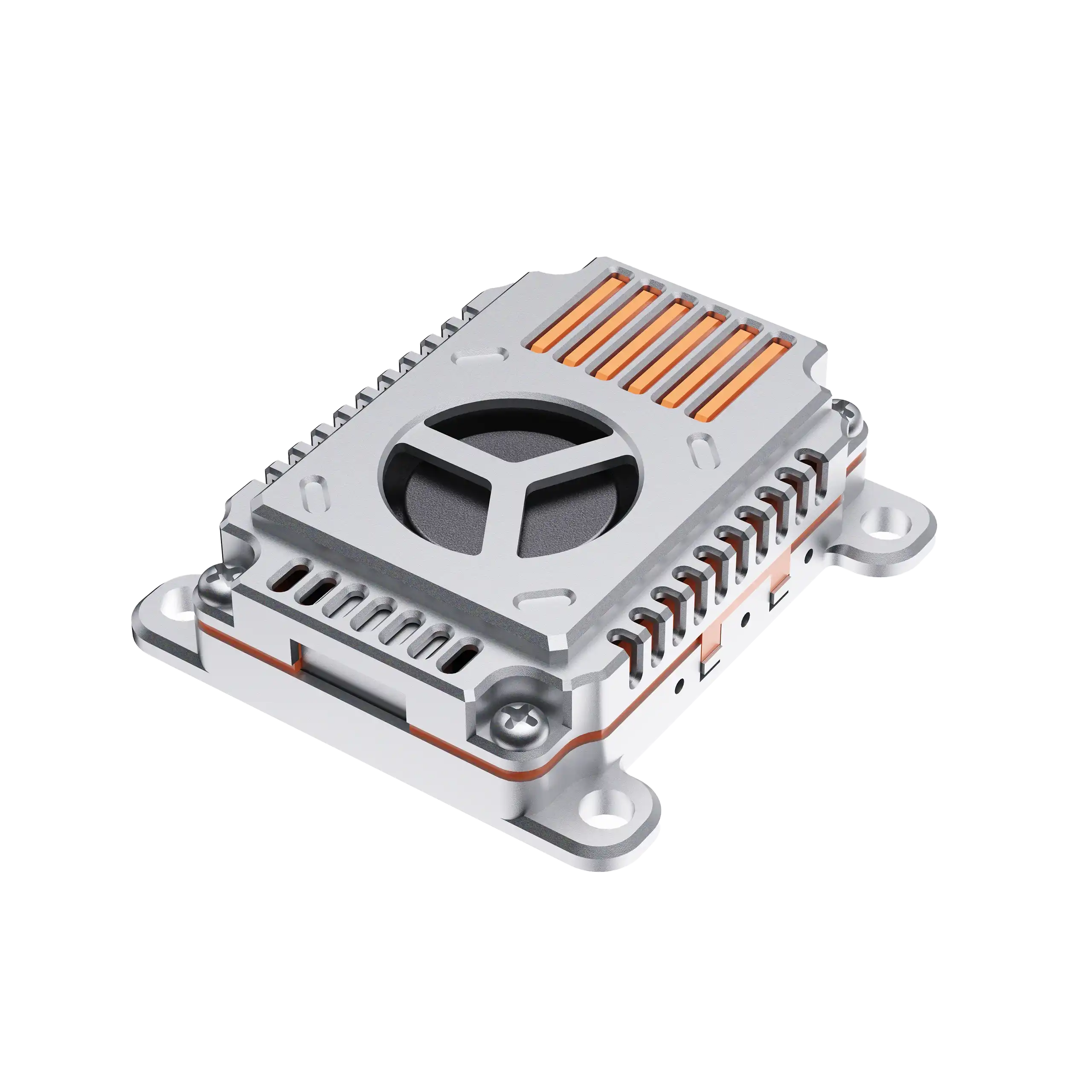
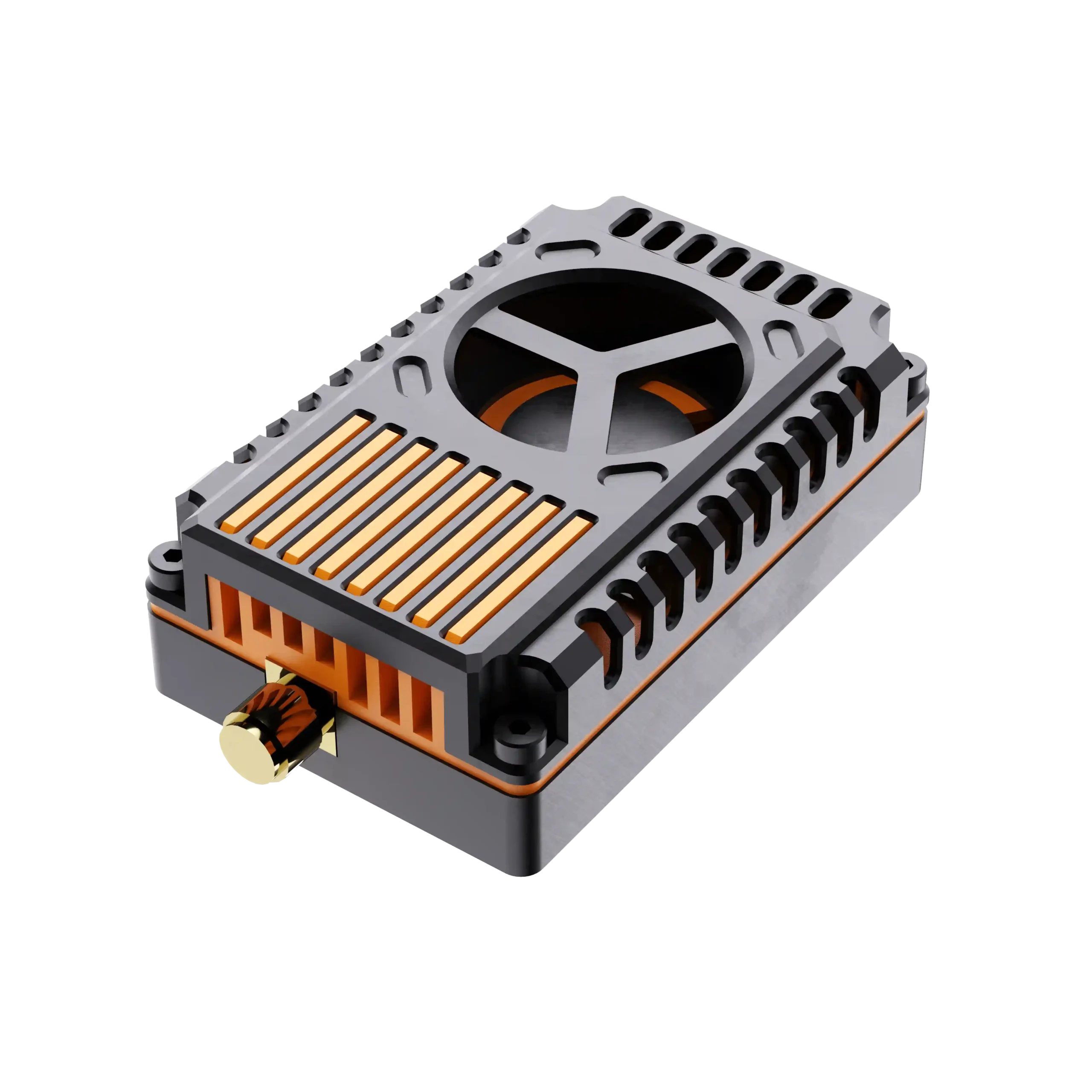
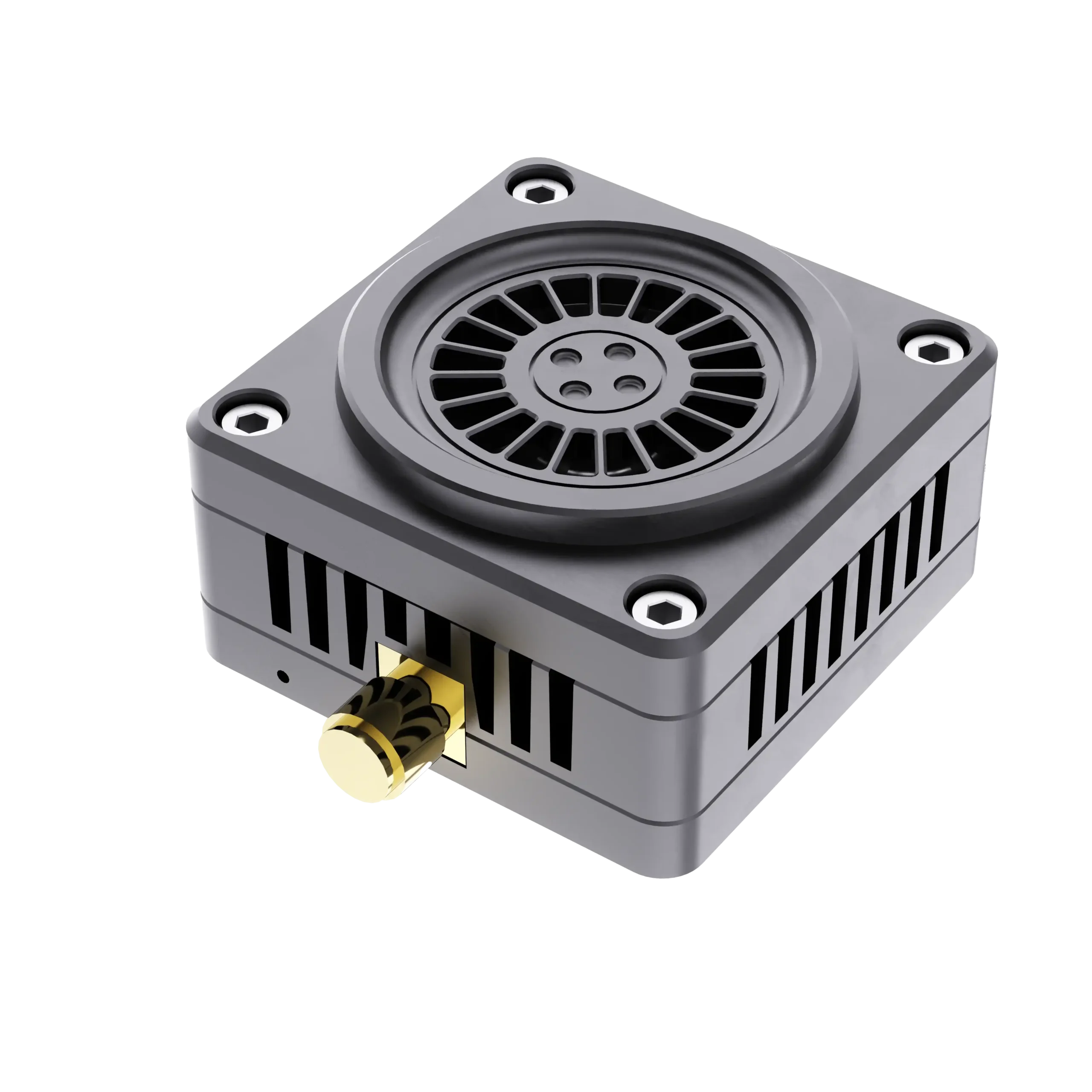
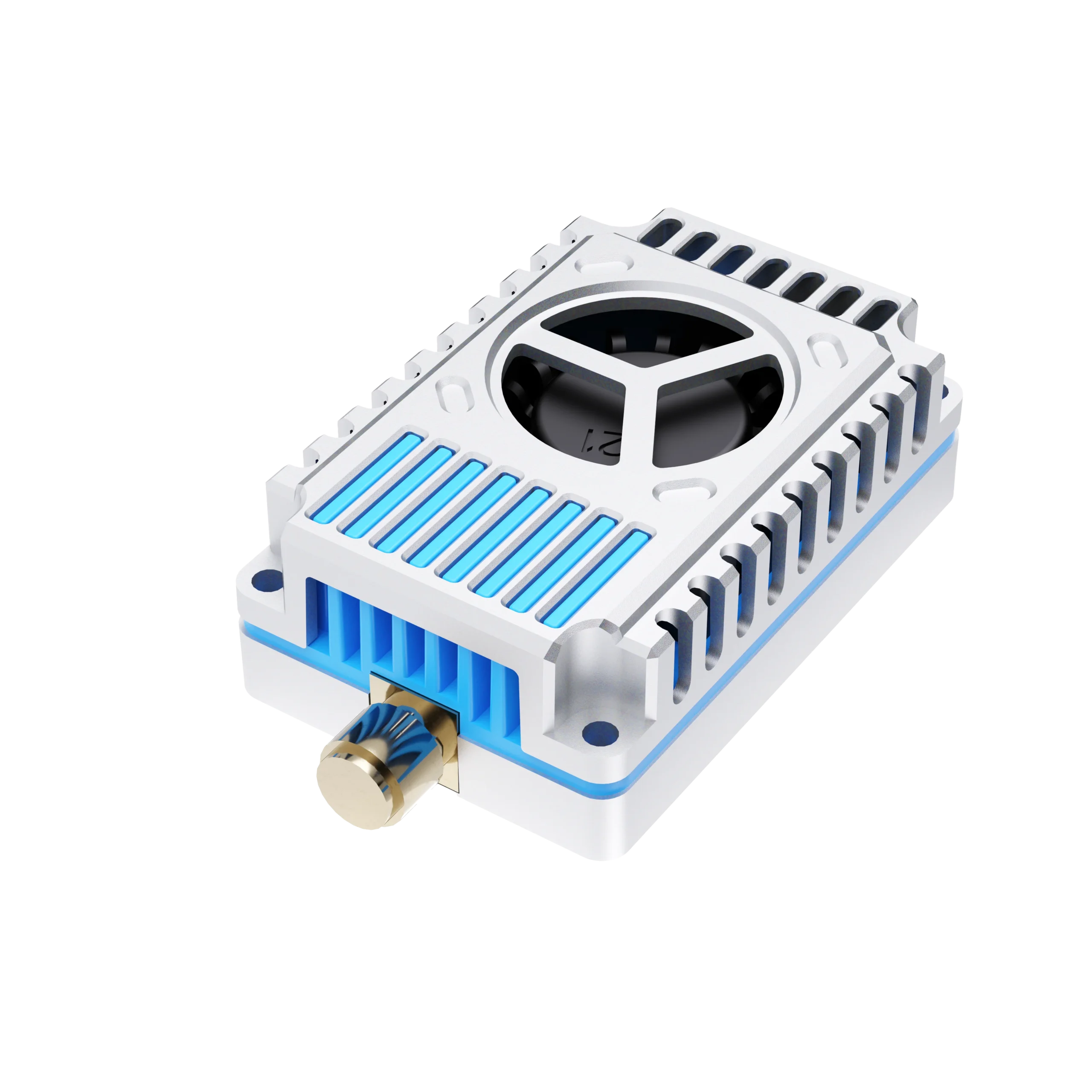
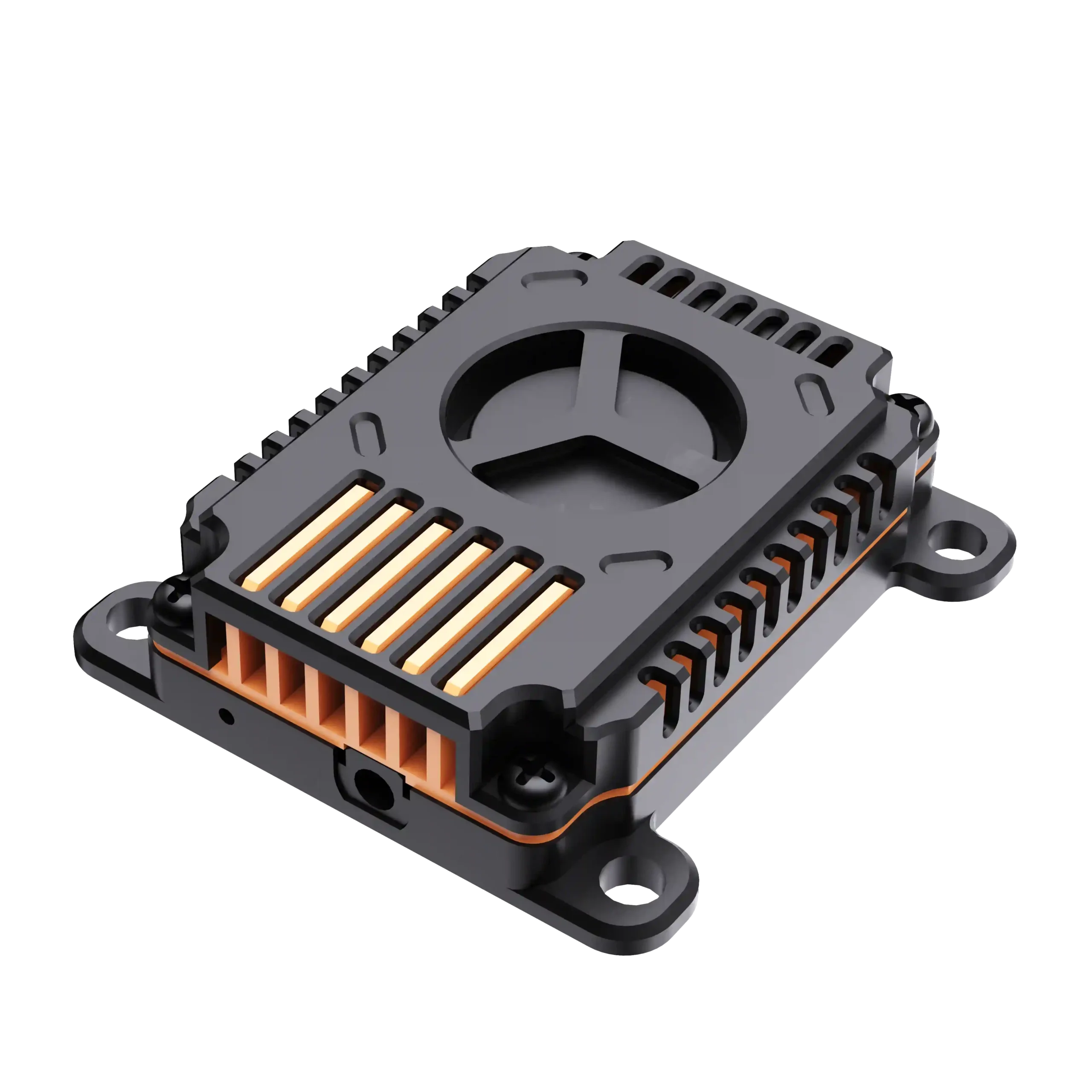
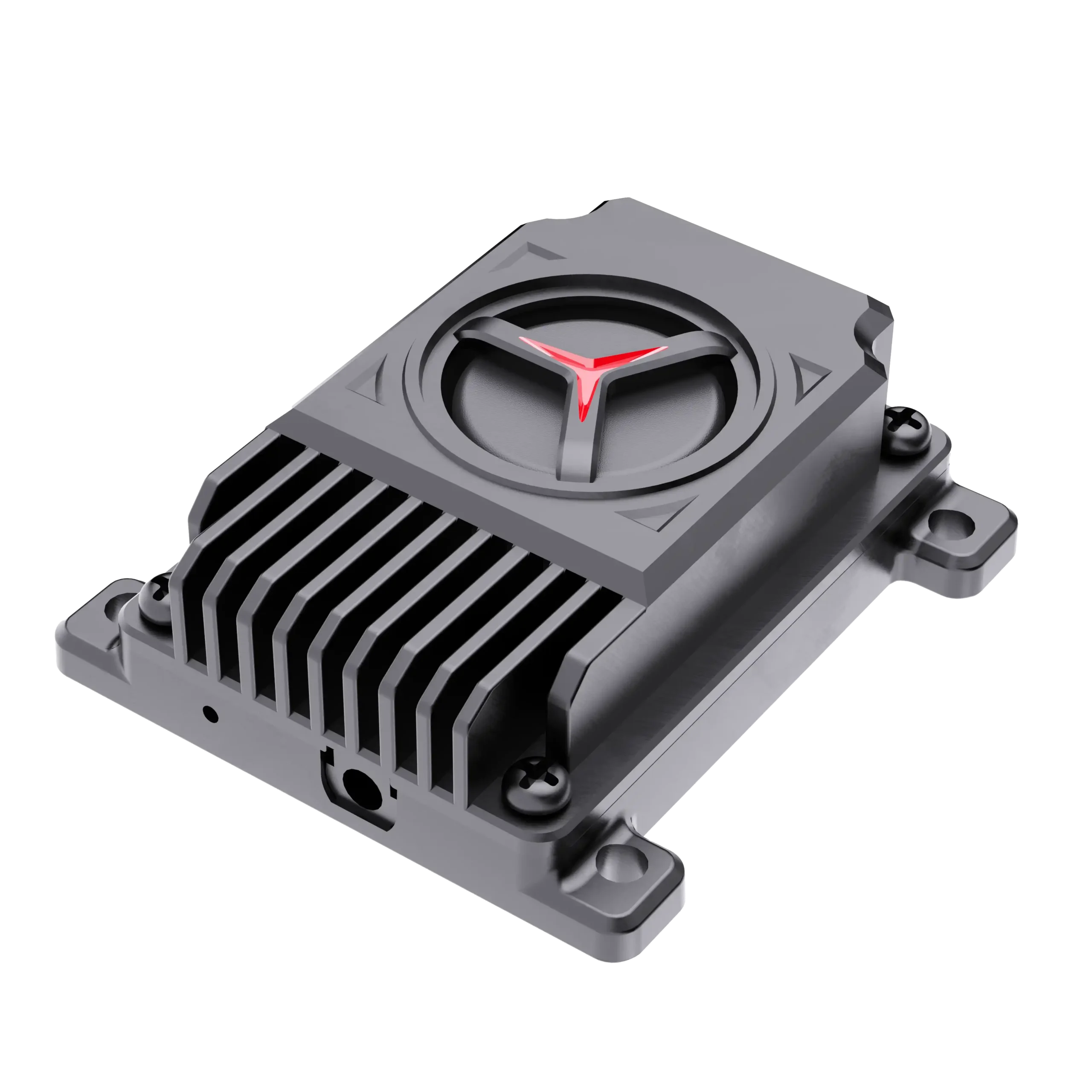
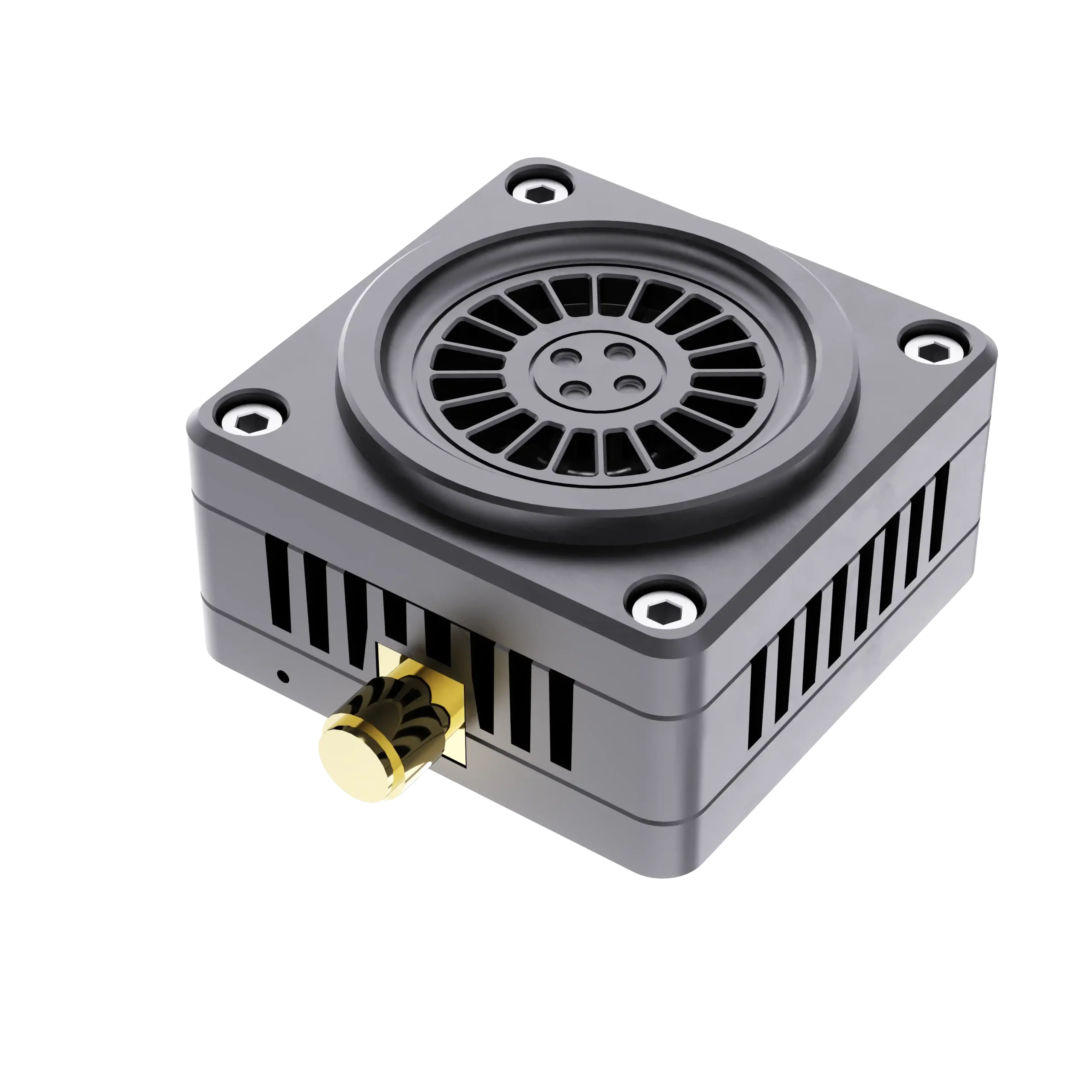
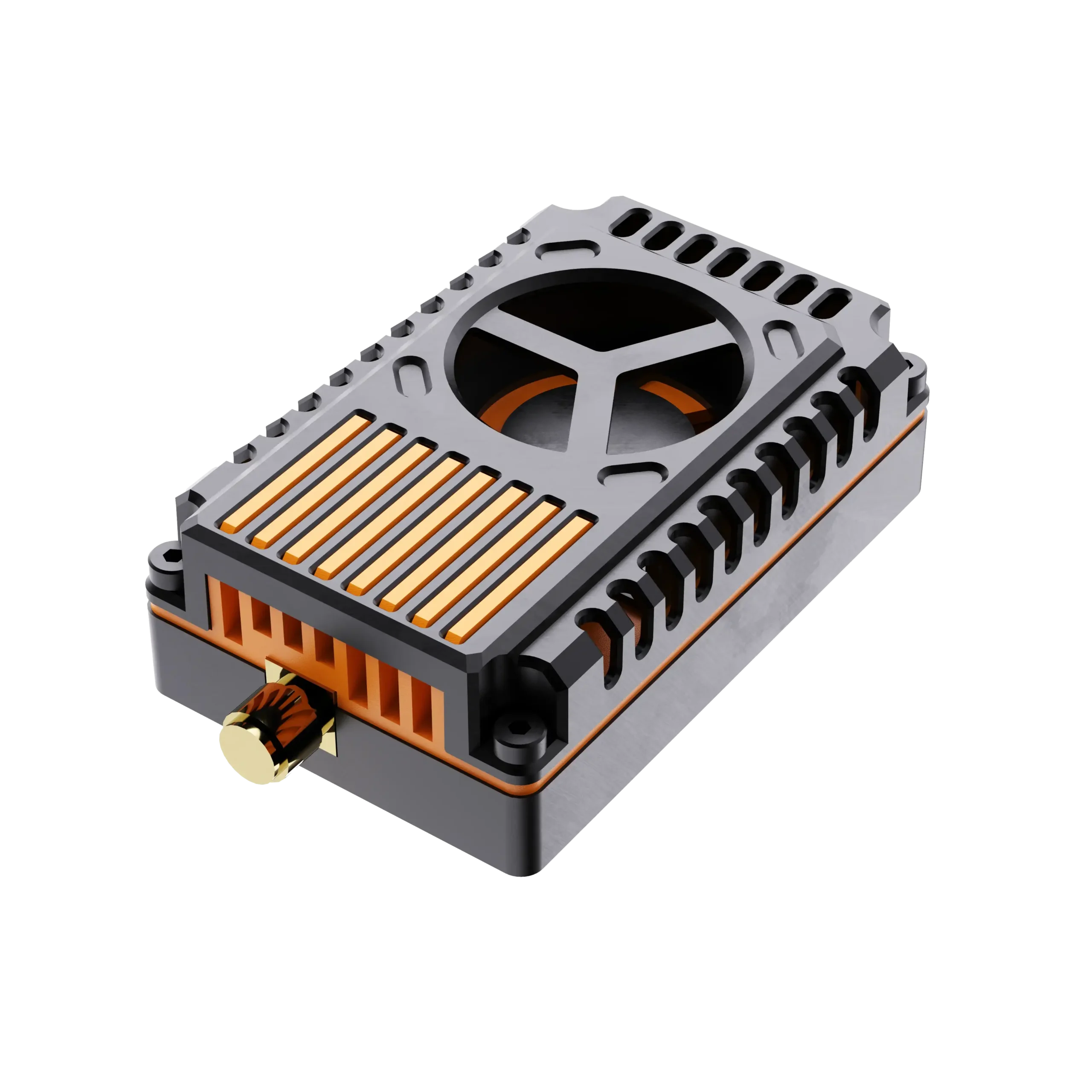
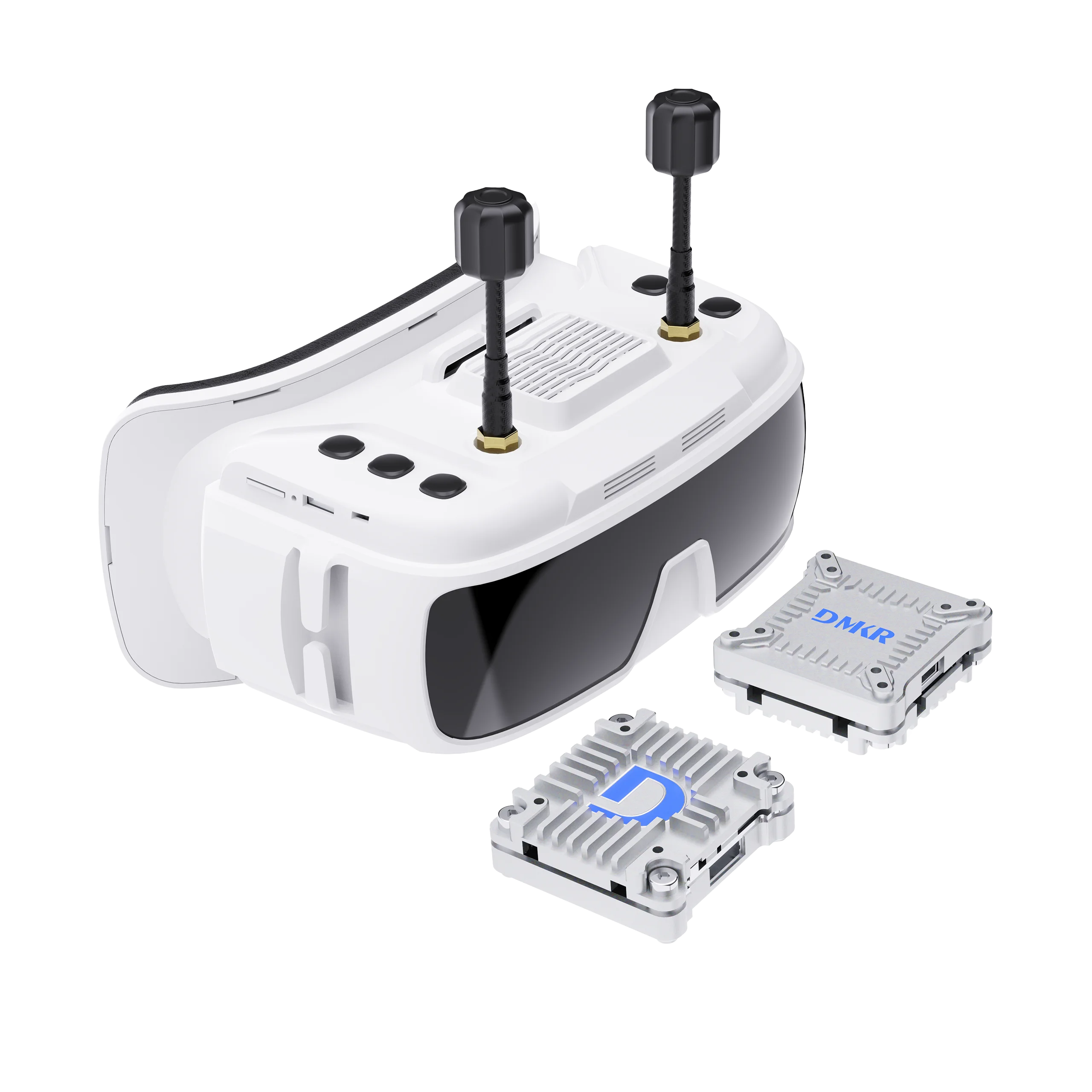
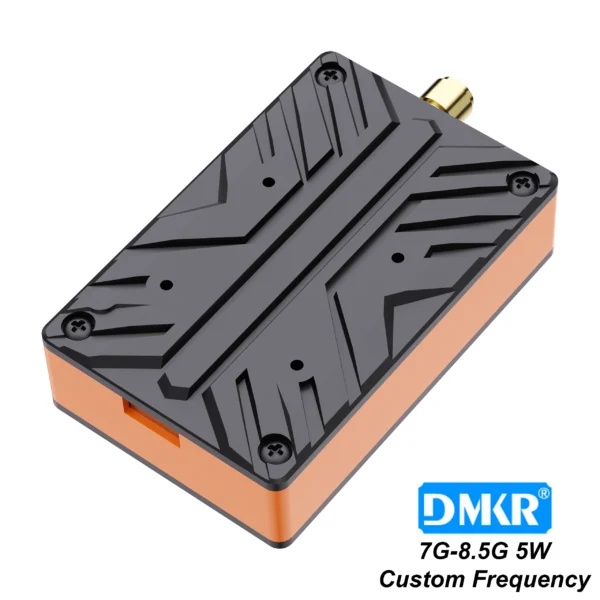
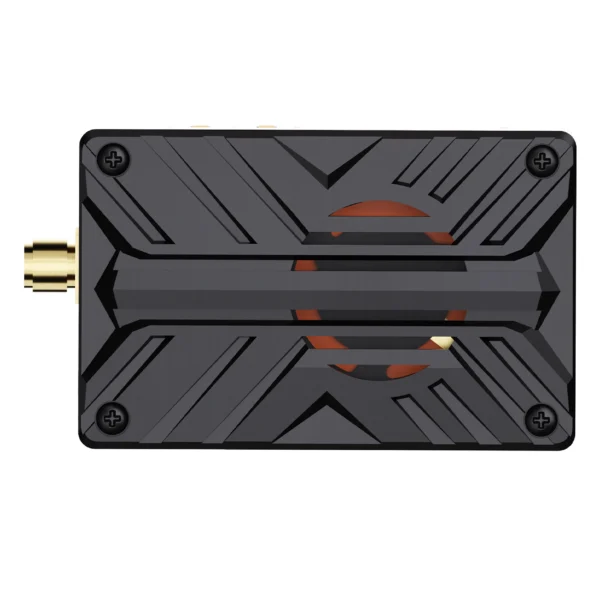
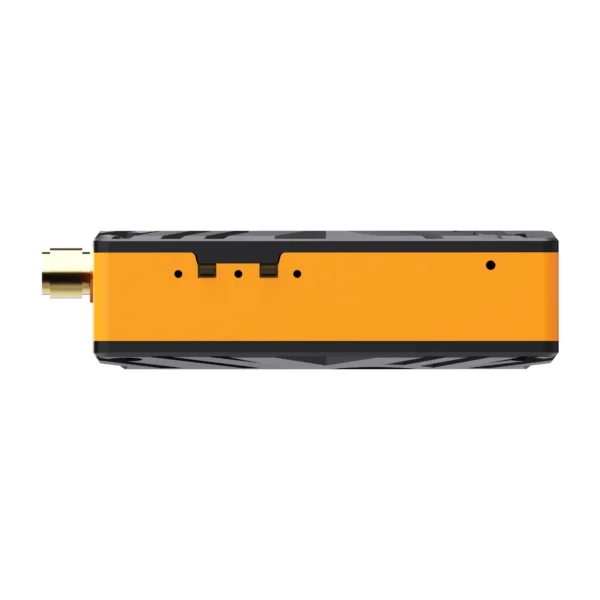
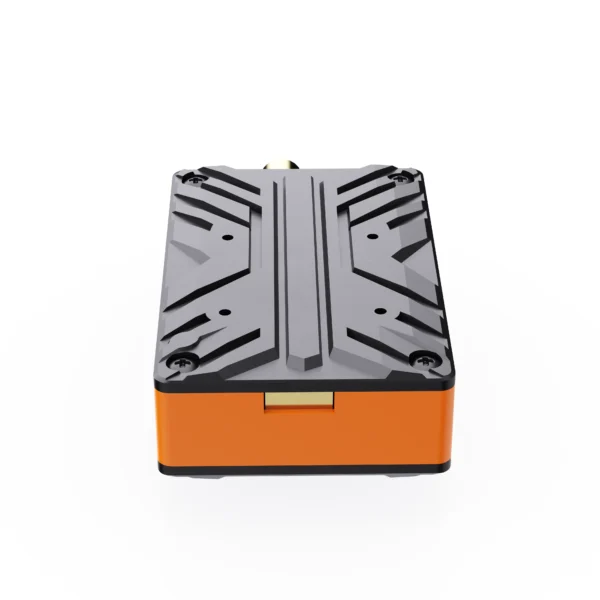
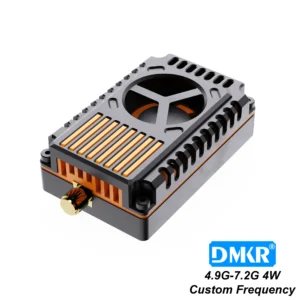
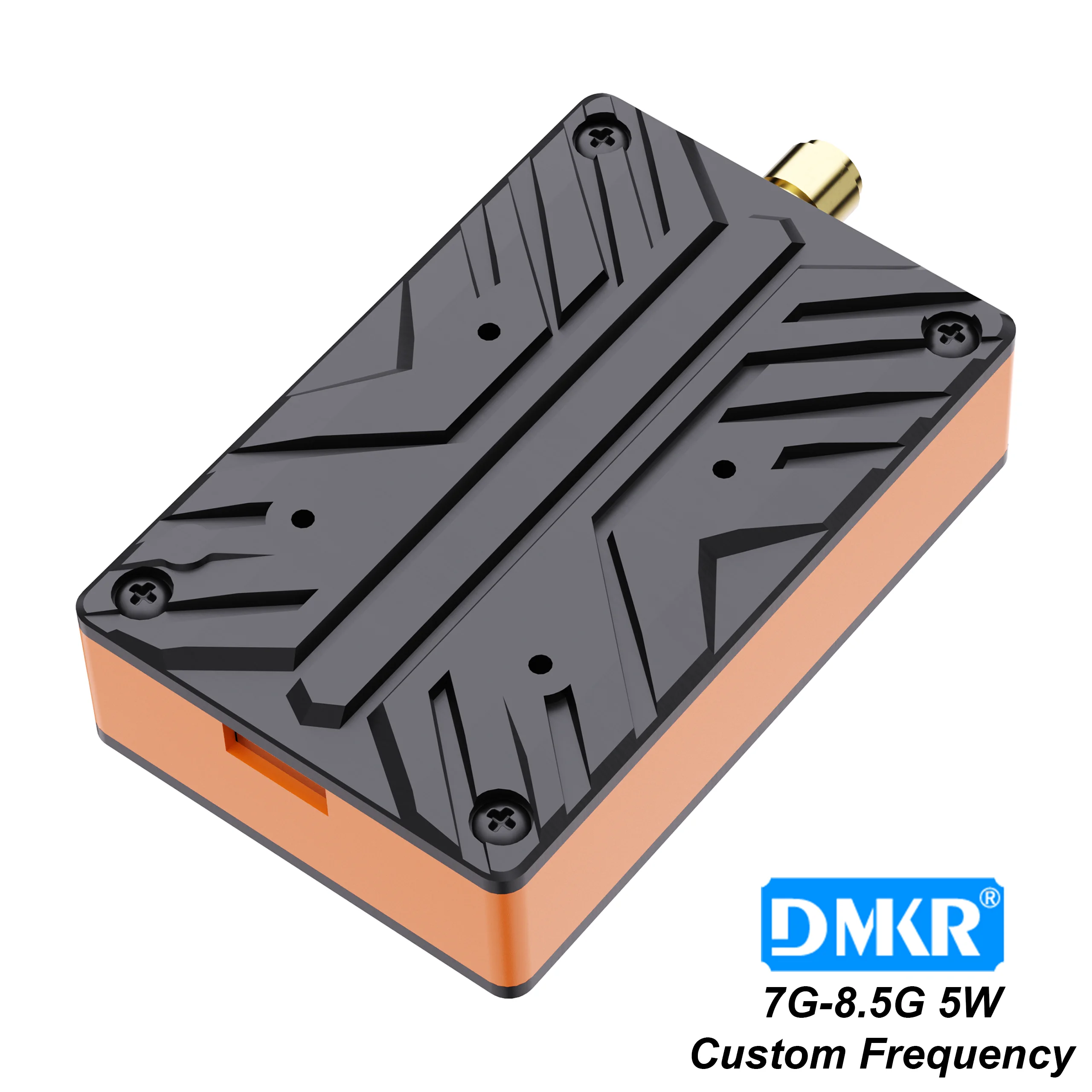
This 7–8.5GHz analog video transmitter is designed for UAV systems requiring flexible frequency configuration and operation outside standard FPV bands.
With an extended frequency range and support for user-defined frequency input, the module enables system-level RF deployment tailored to specific project requirements.
With in-house development and continuous iteration, the design supports customization and system-level integration, making it suitable for OEM and ODM projects across different UAV platforms.
Custom Frequency Capability
The transmitter supports user-defined frequency configuration within its operating range, allowing direct frequency input through flight controller systems.
Unlike fixed channel transmitters, this design enables flexible frequency planning based on deployment requirements, interference conditions, or regulatory constraints.
This feature is particularly useful for:
-
Projects requiring non-standard frequency operation
-
Multi-system deployments with frequency separation
-
Custom RF communication solutions
RF Performance
The module operates across a wide frequency range and supports a high channel count architecture for flexible RF deployment.
Output power is adjustable up to 5W, allowing configuration for testing, standard operation, or higher power transmission scenarios.
Power and Integration
The module supports DC 15–36V input and is compatible with common UAV battery systems, allowing direct integration without additional voltage regulation.
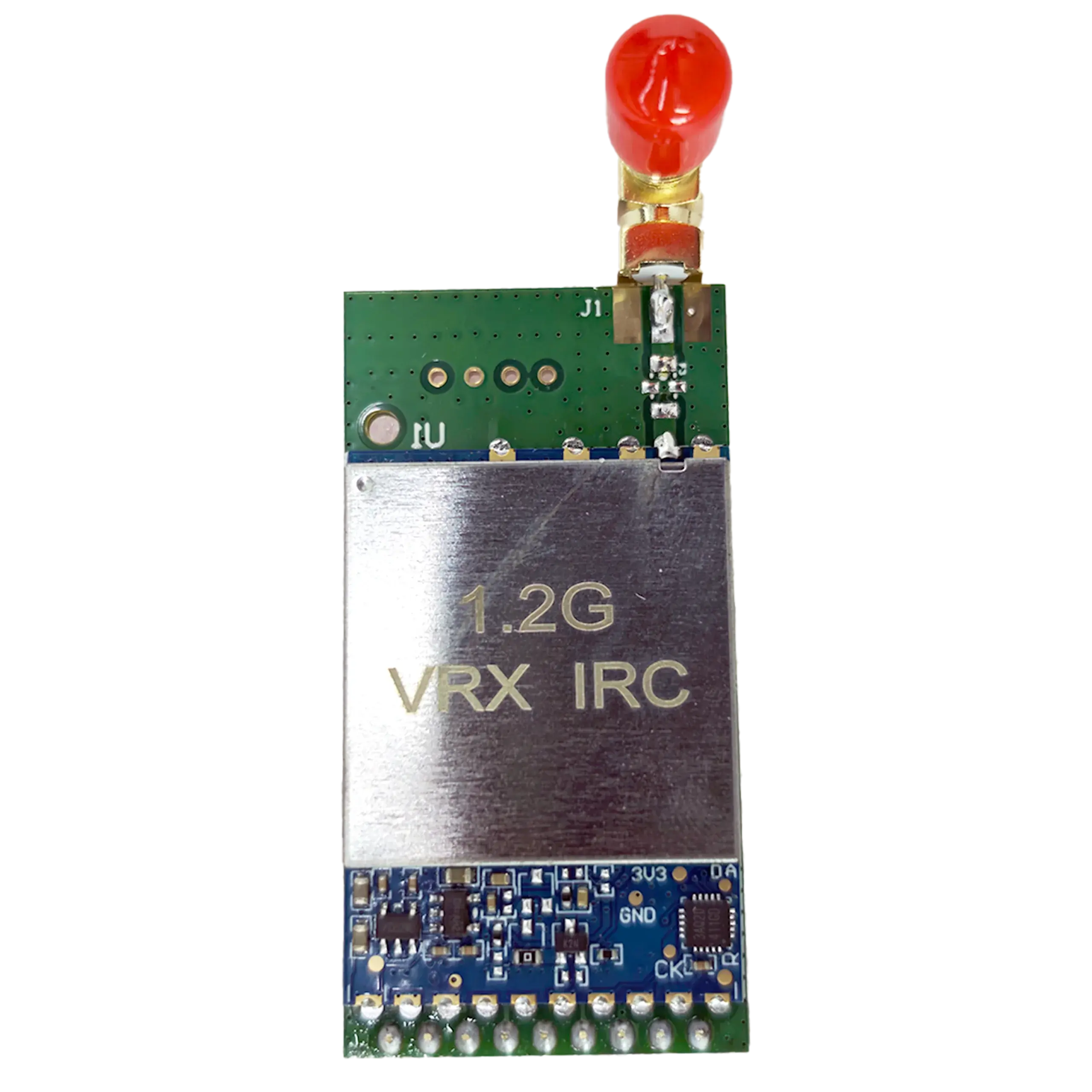
IRC Tramp protocol enables remote adjustment of frequency and power via flight controller or OSD interface, improving configuration efficiency.
Operational Notes
-
Antenna must be installed before powering on
-
Ensure sufficient cooling during high-power operation
-
Verify correct voltage input before connection
-
Avoid improper wiring to prevent module damage