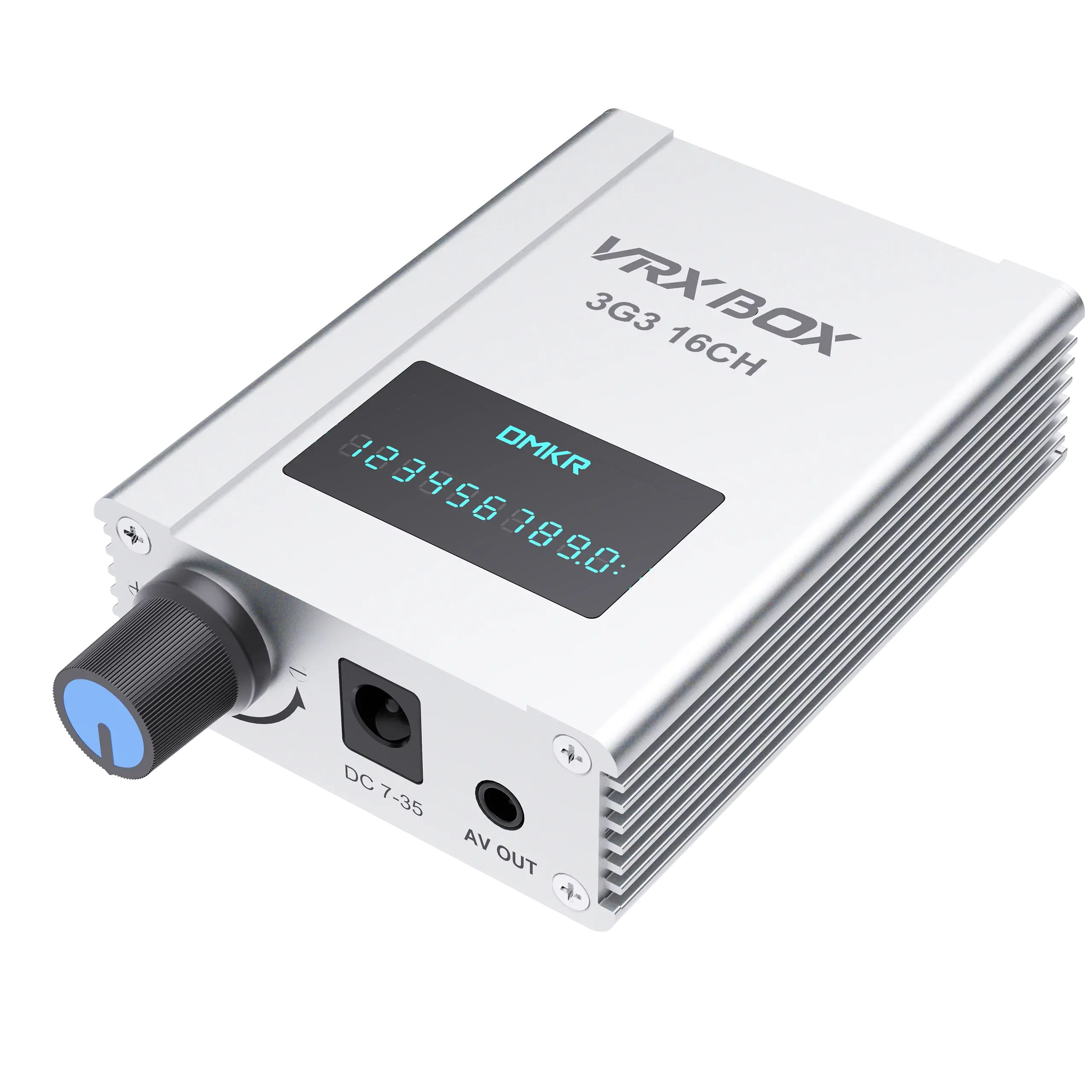
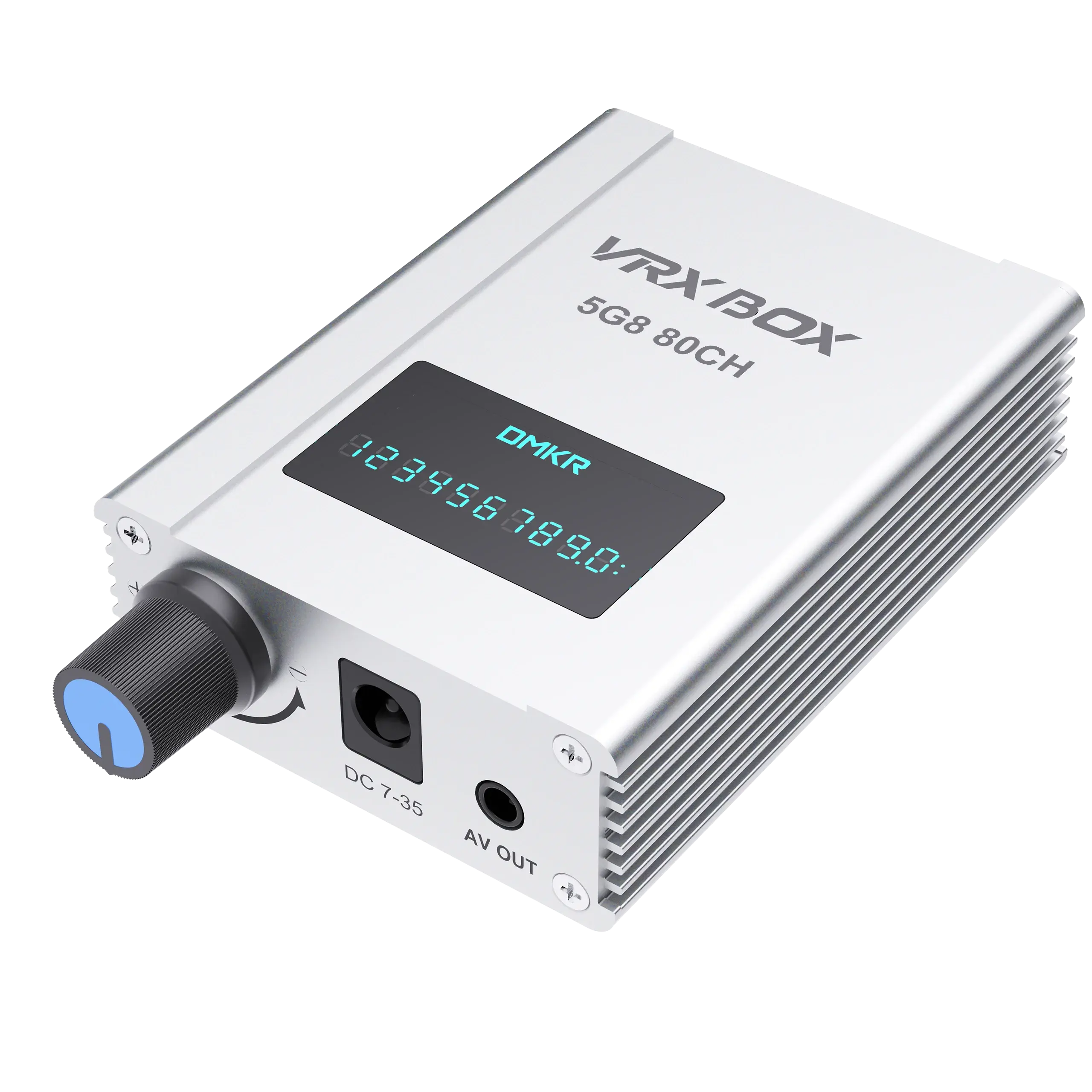
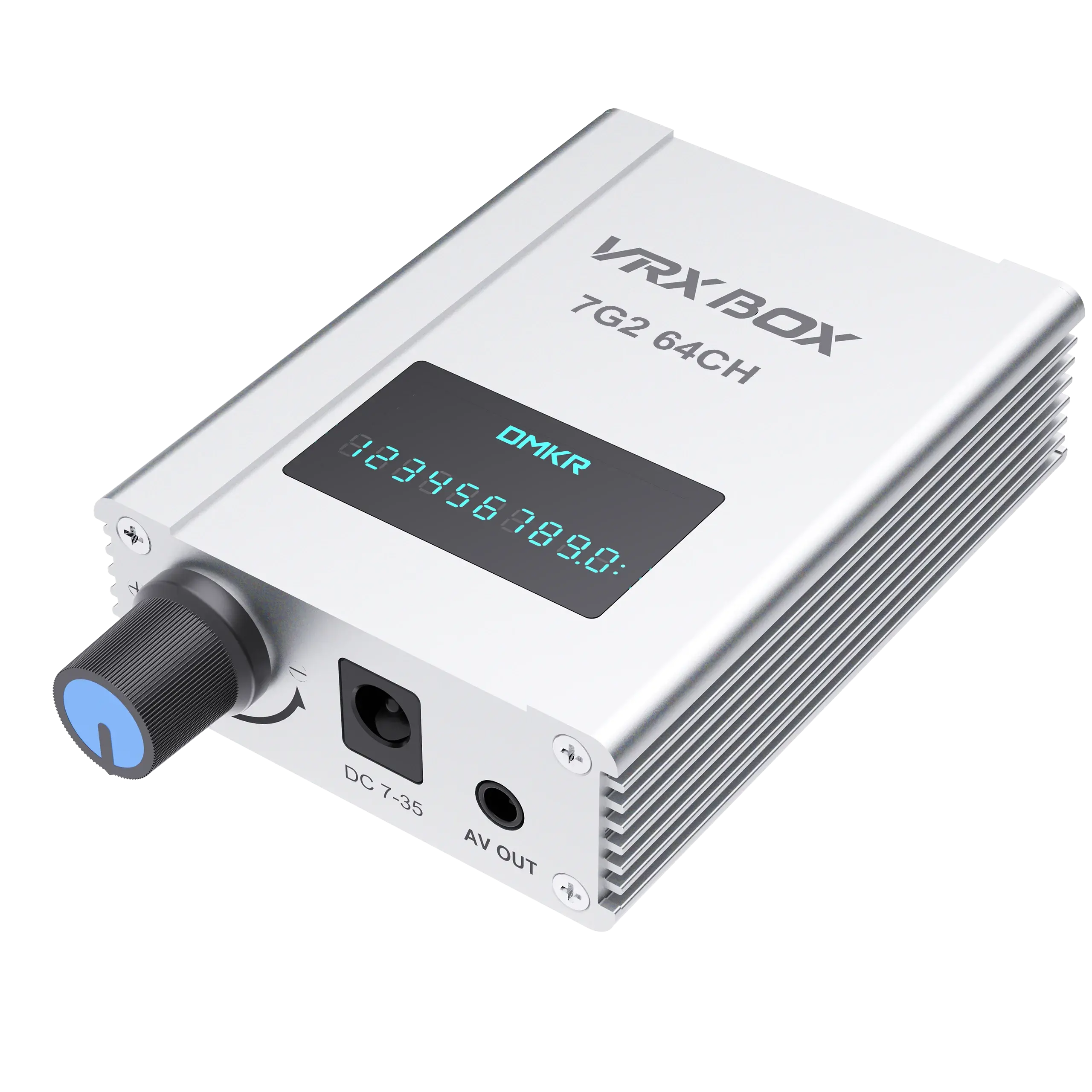
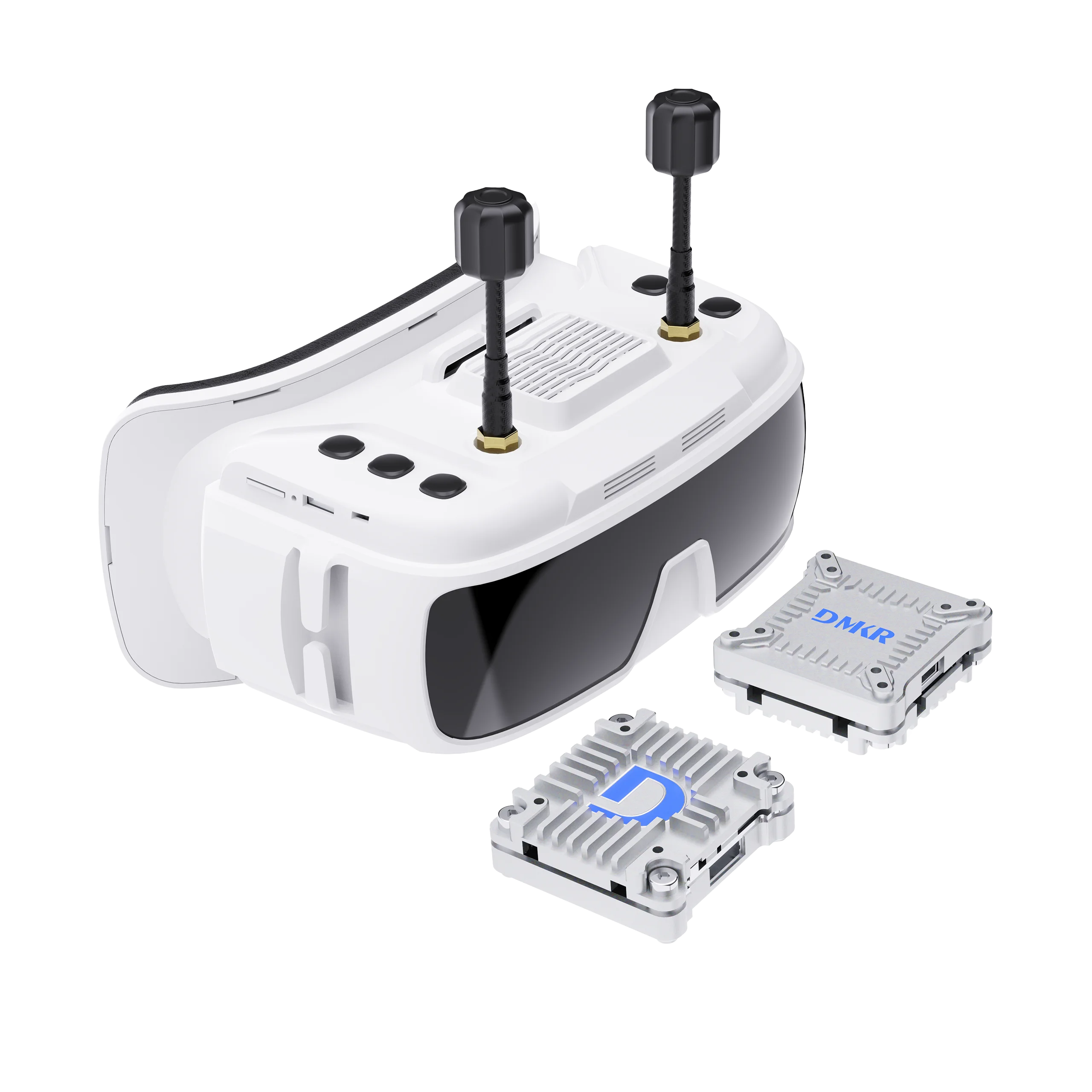
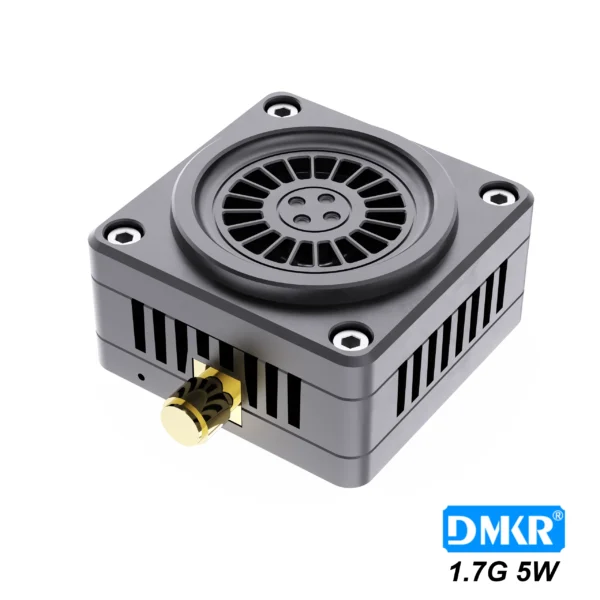
Overview
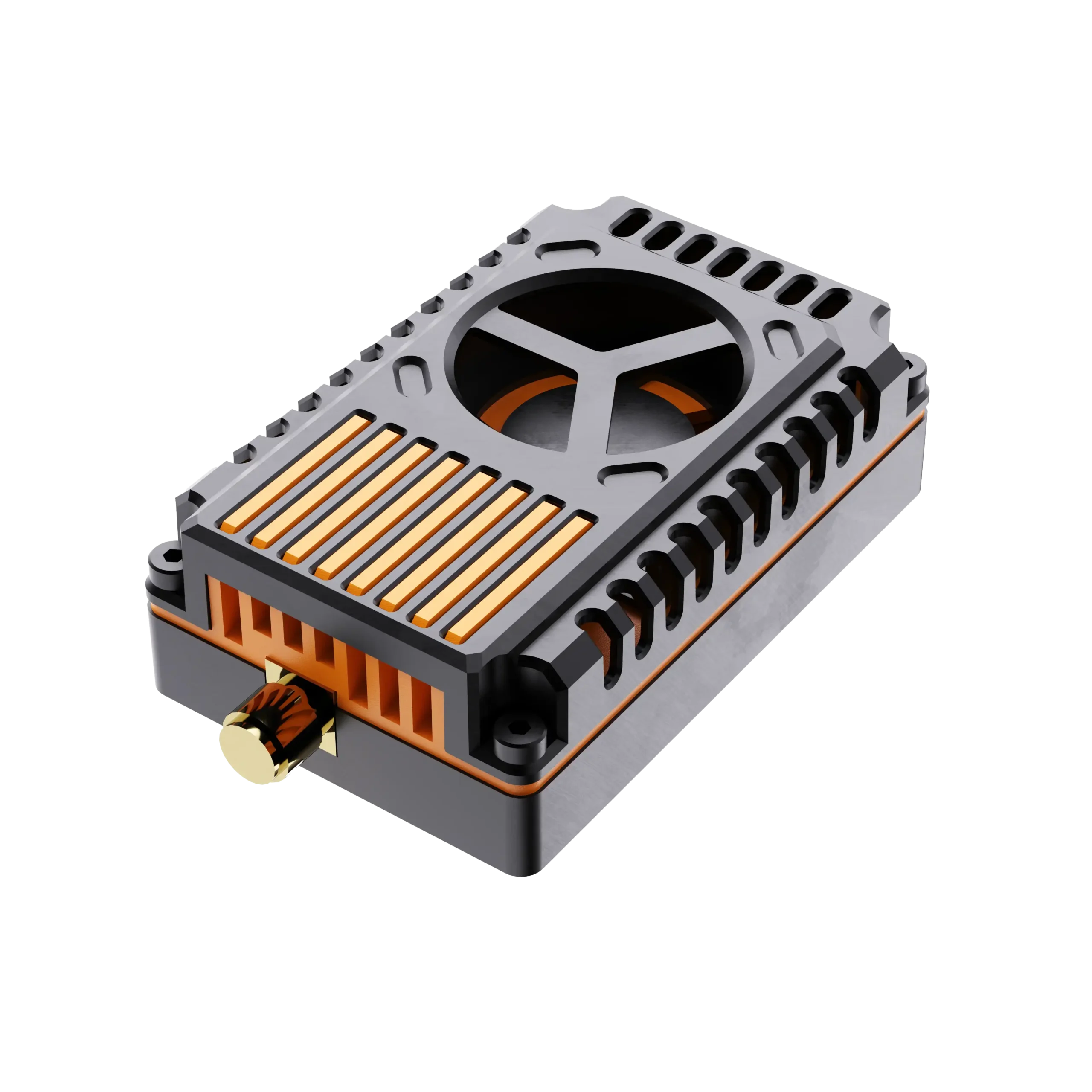
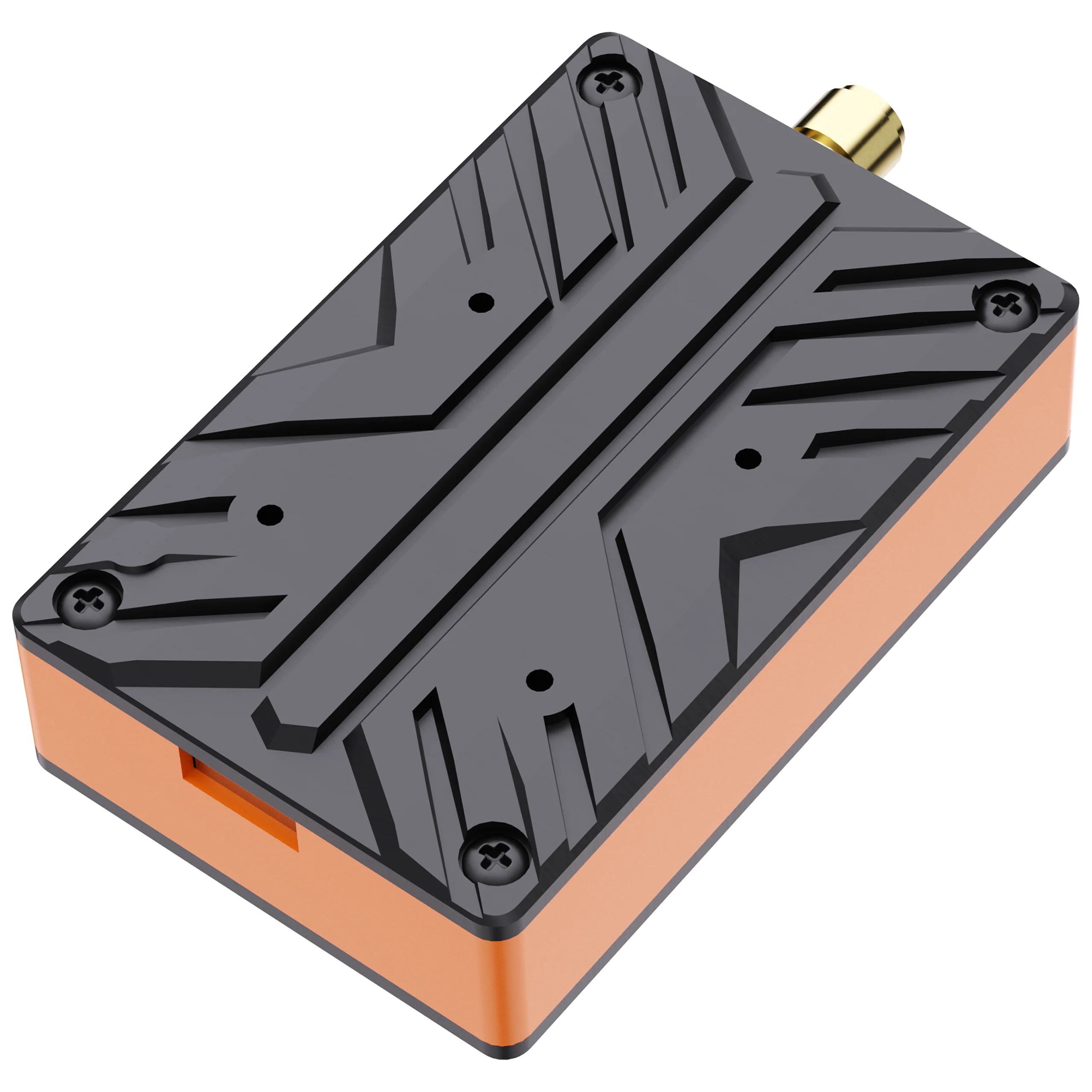
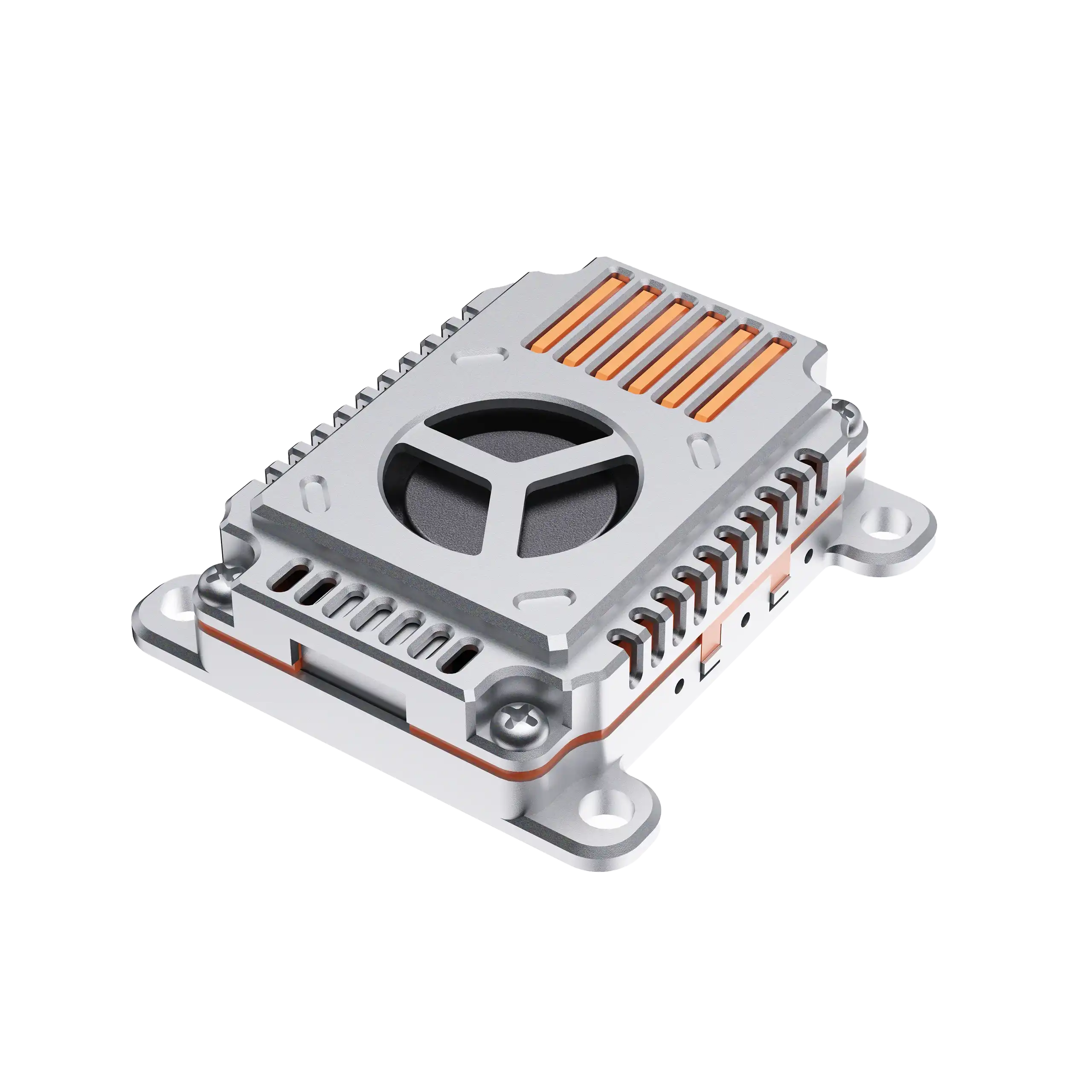
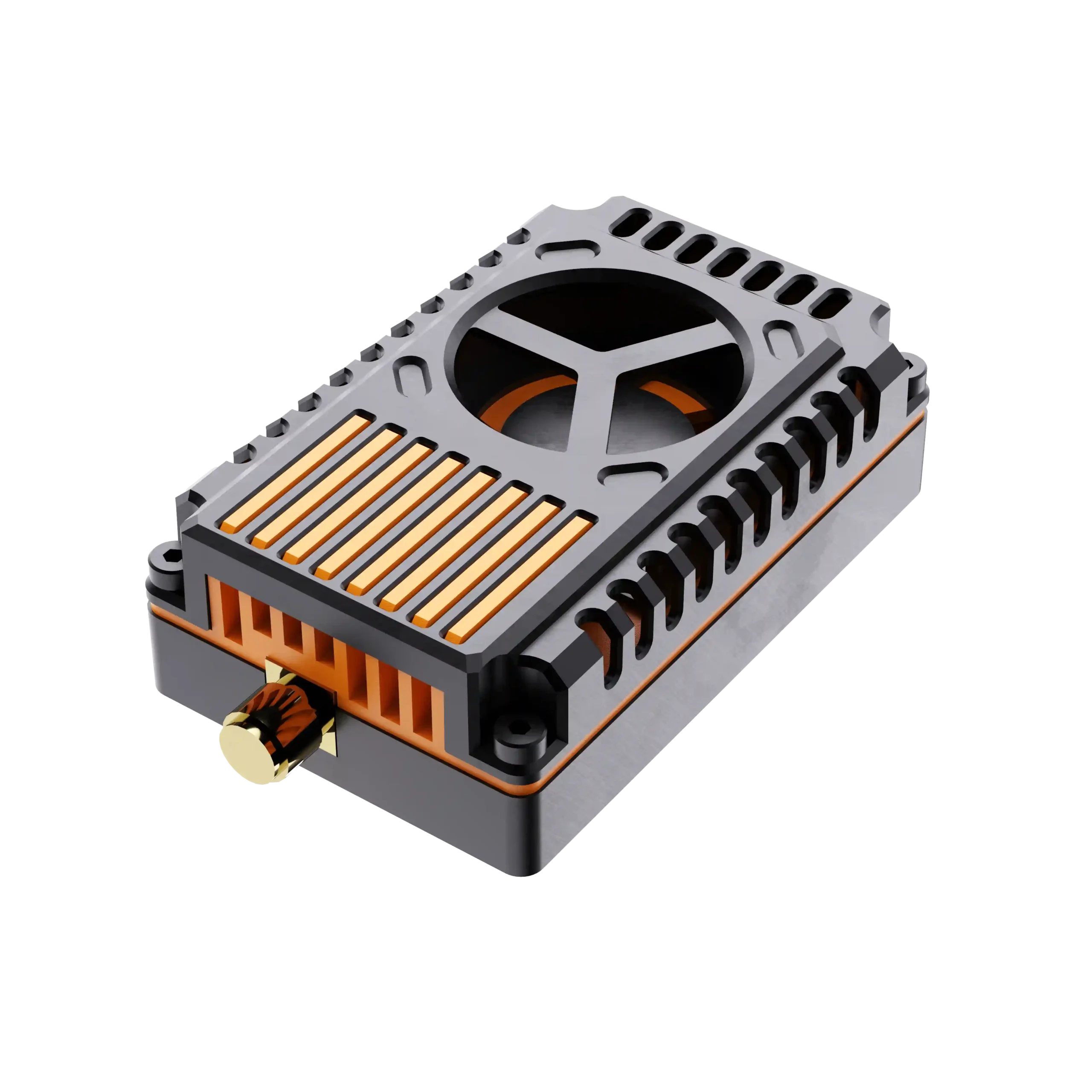
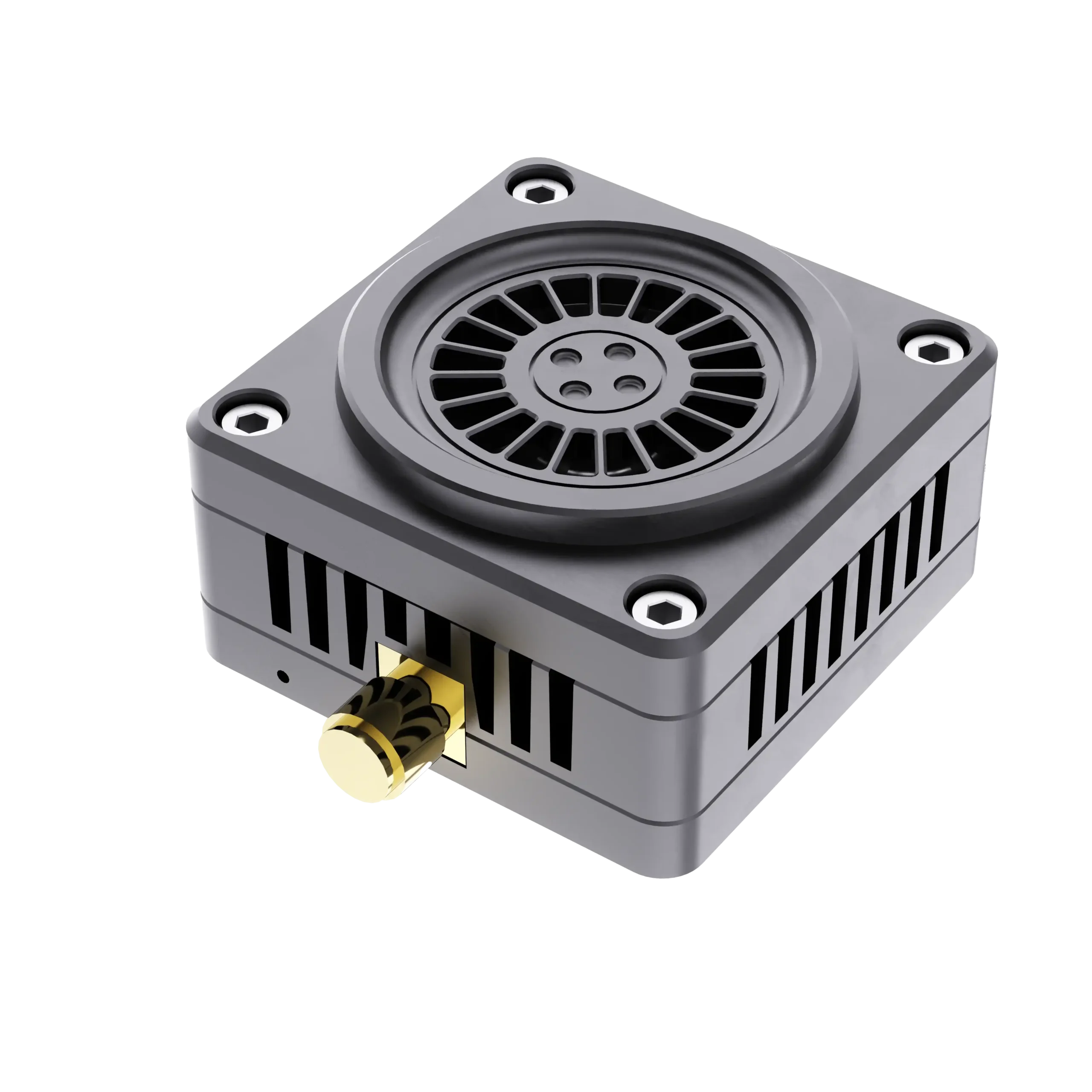
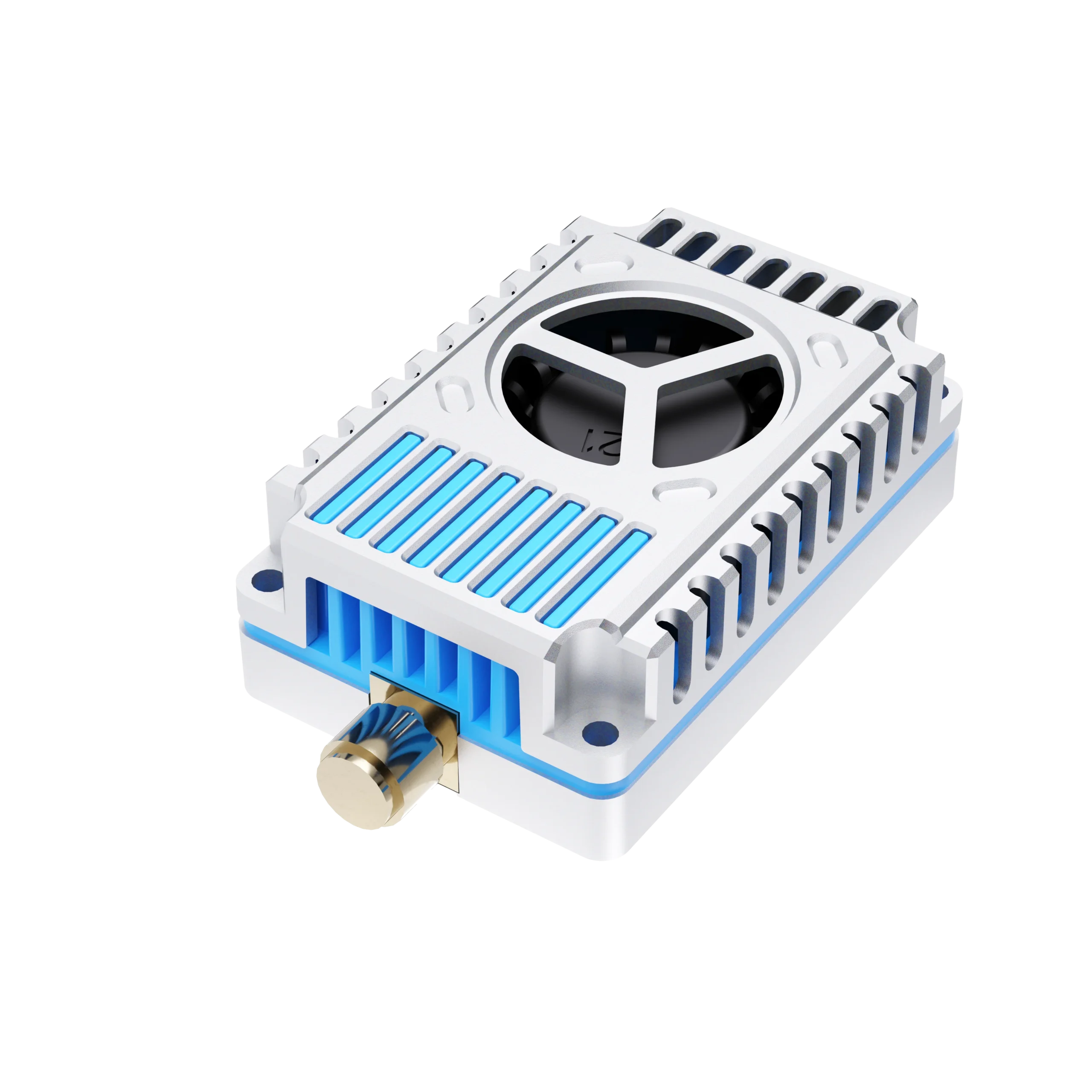
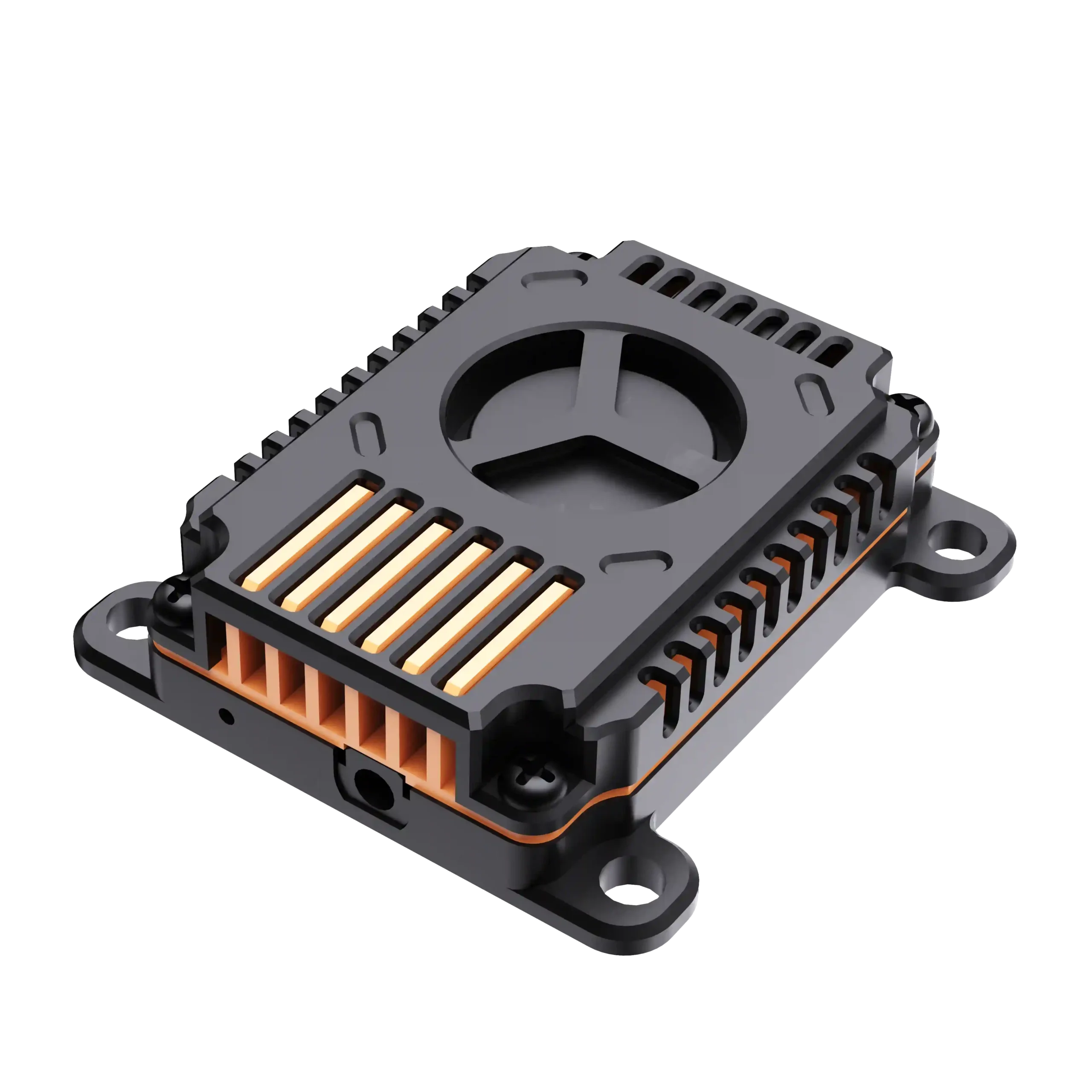
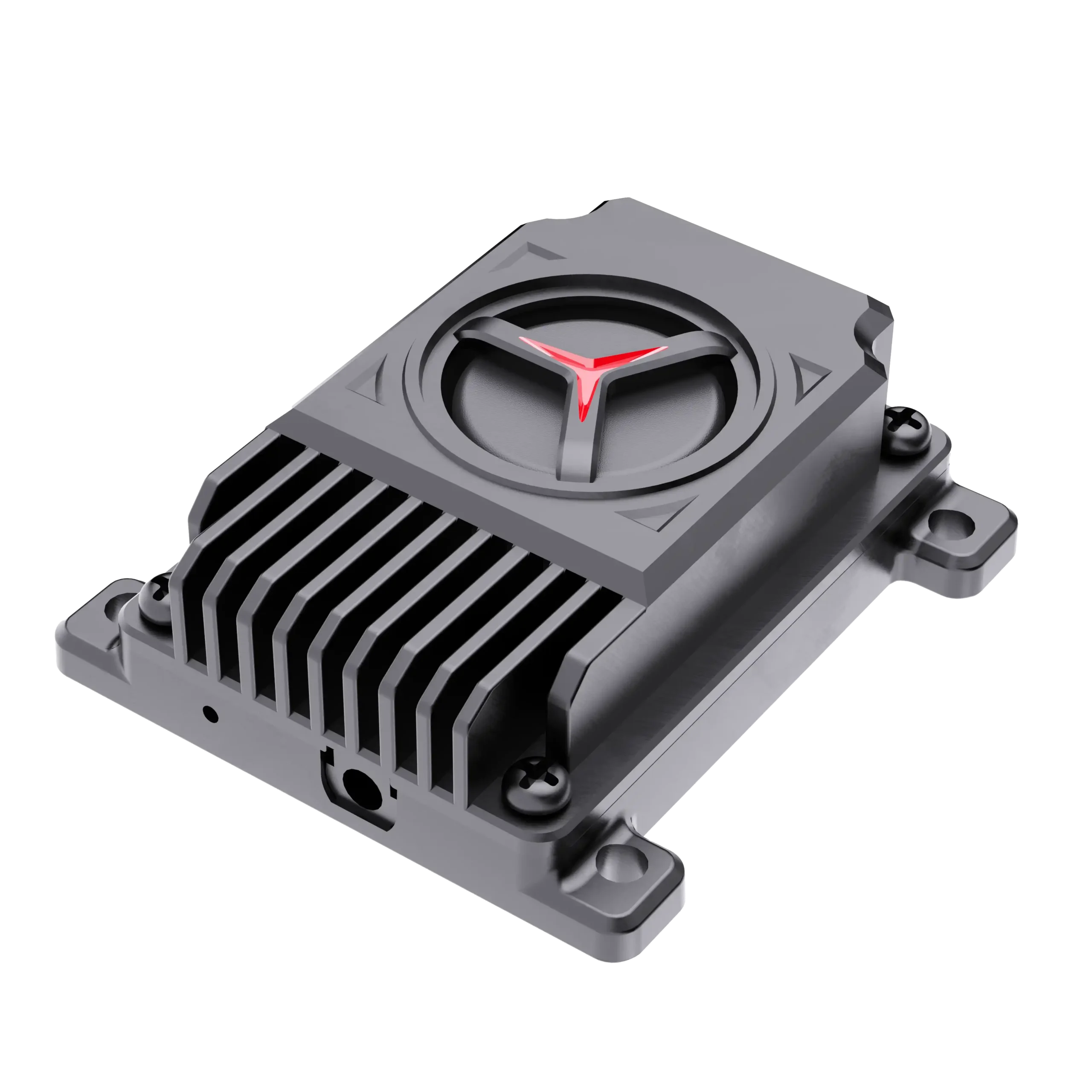
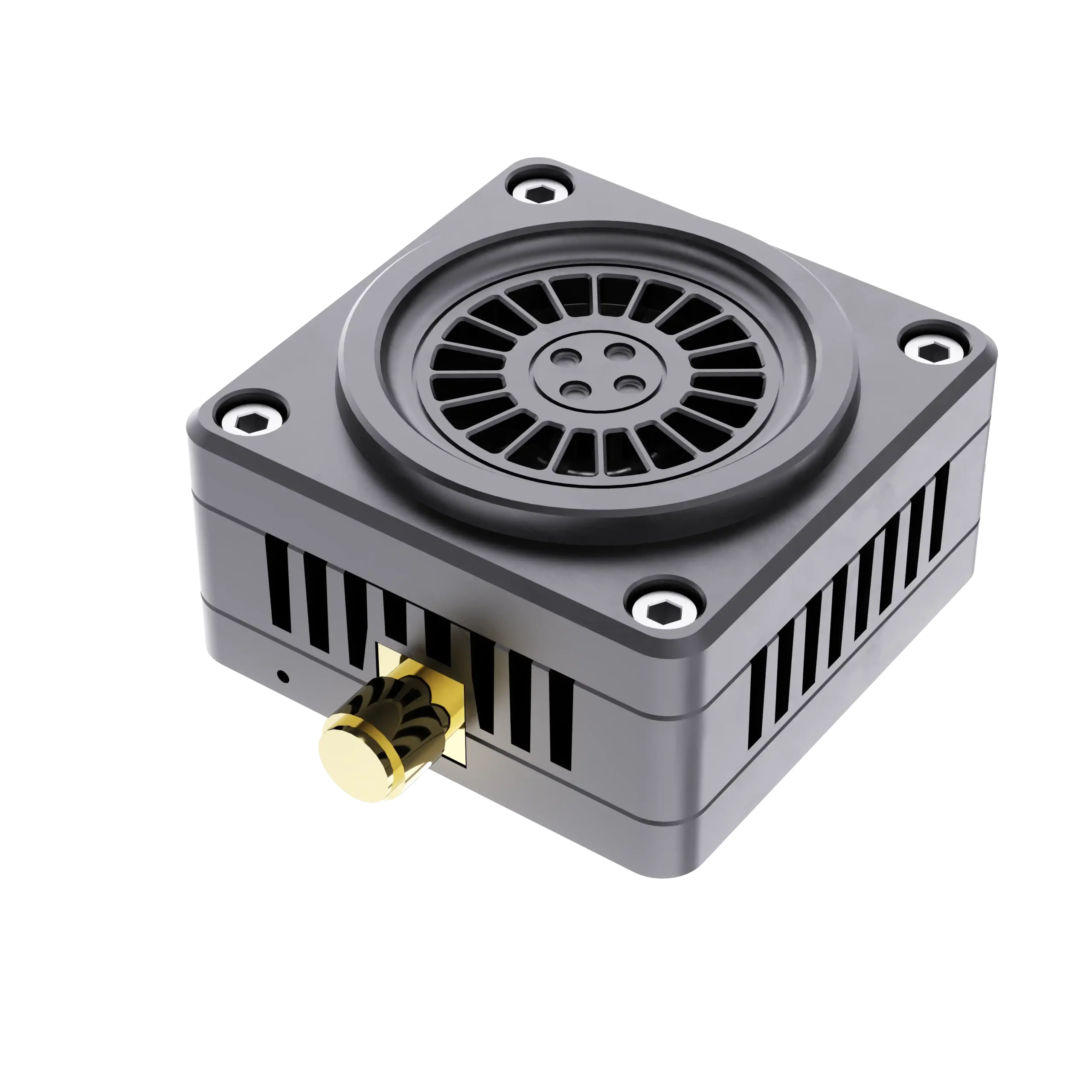
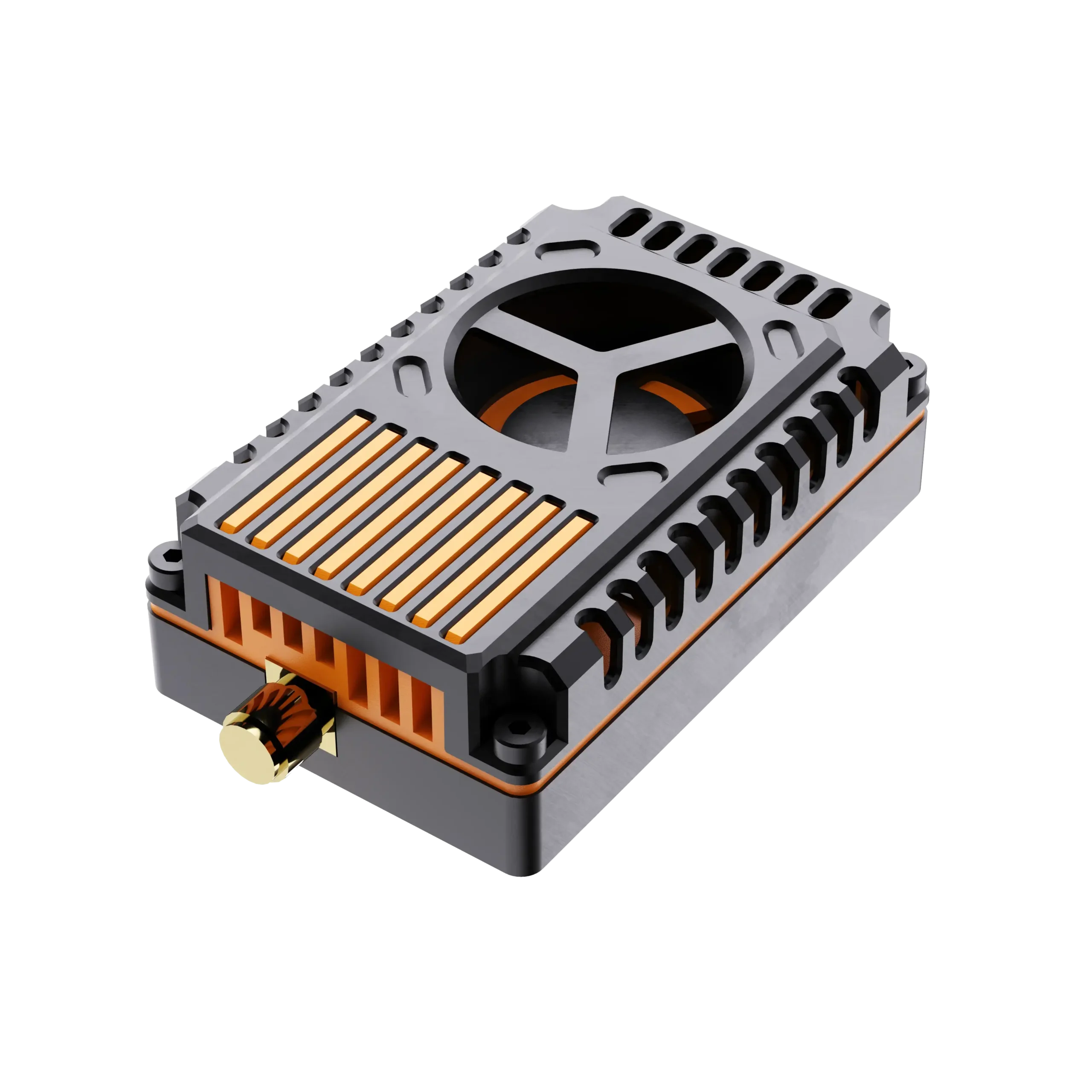
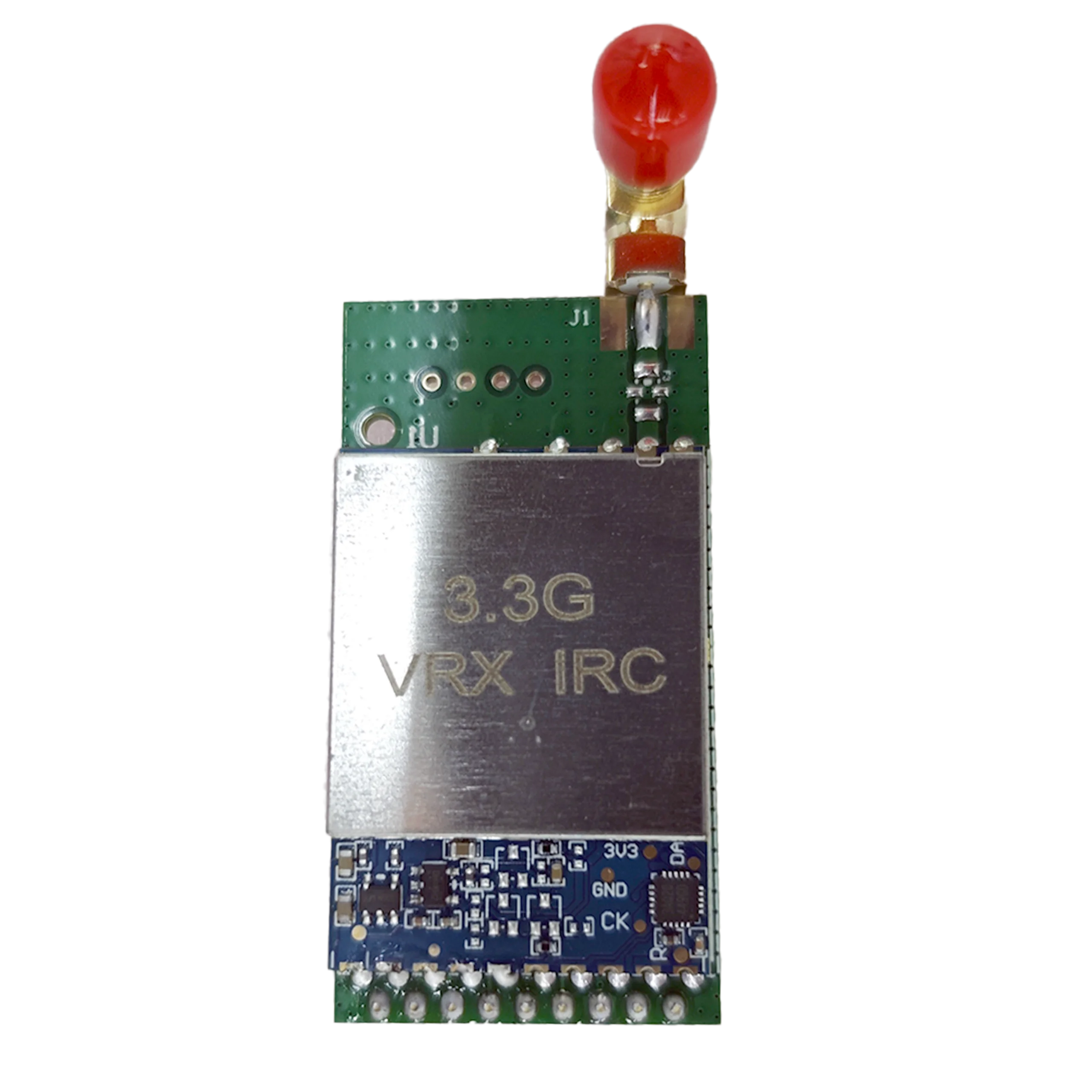
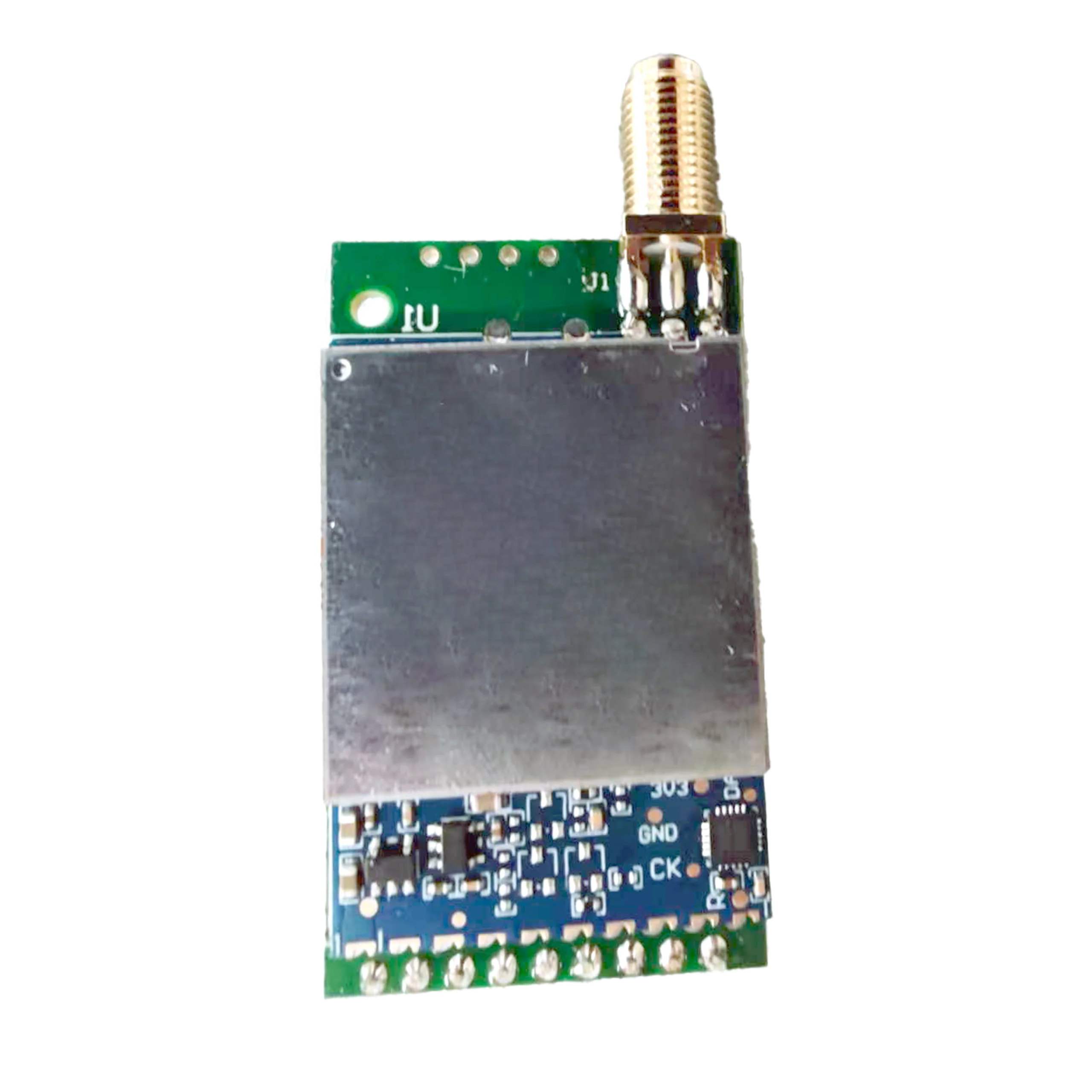
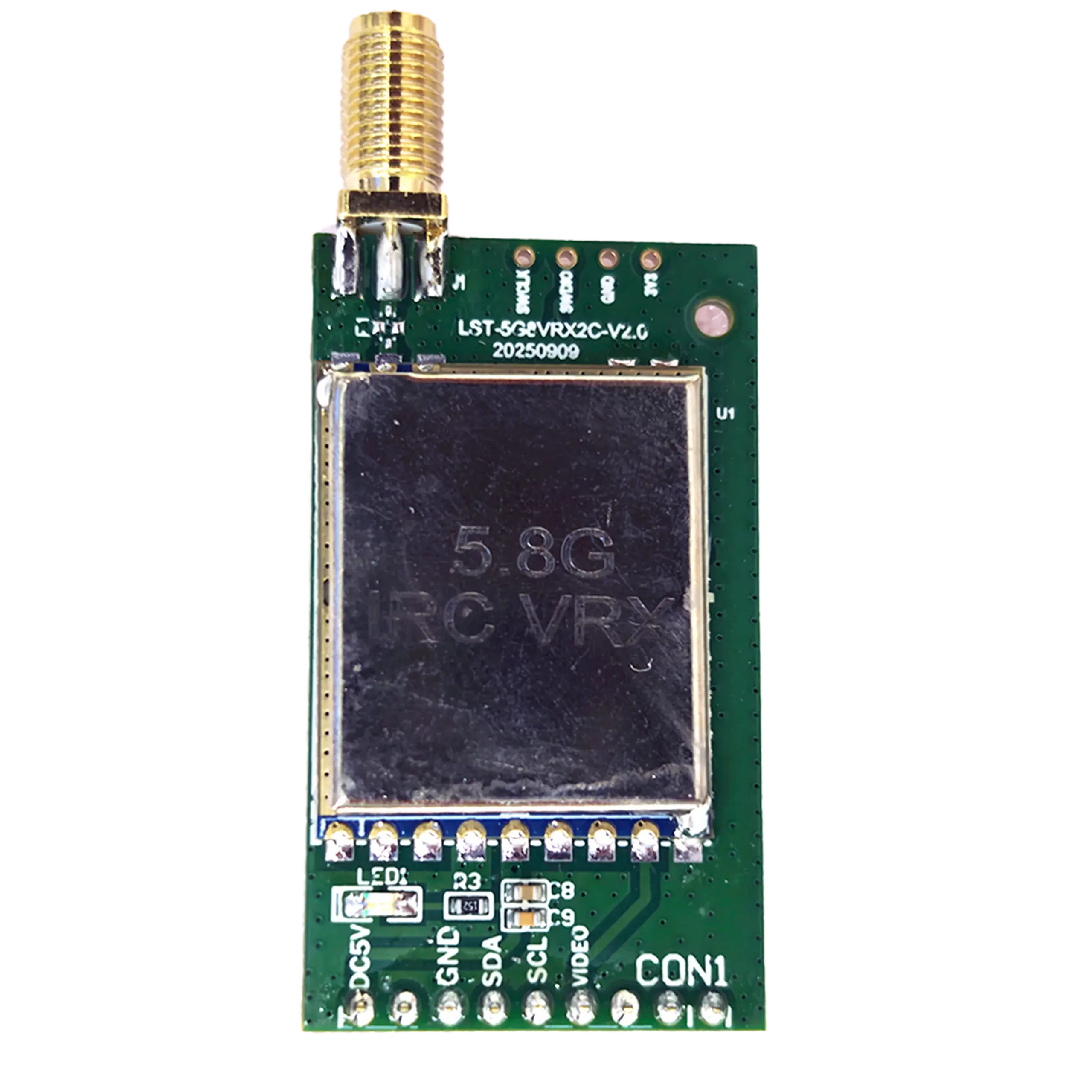
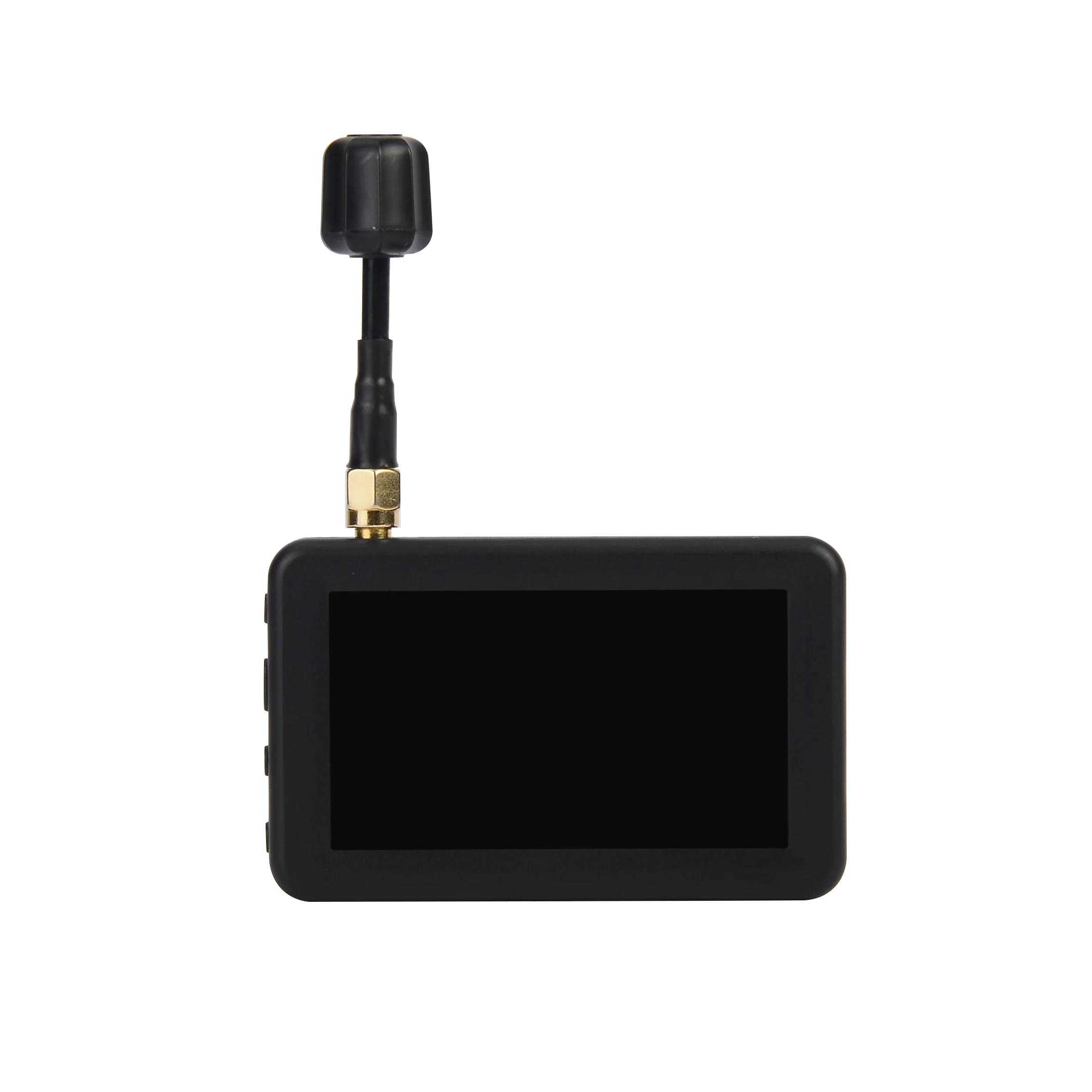
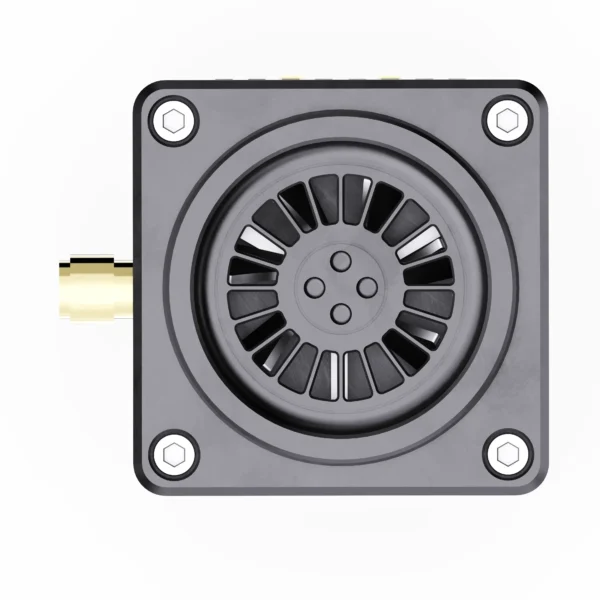
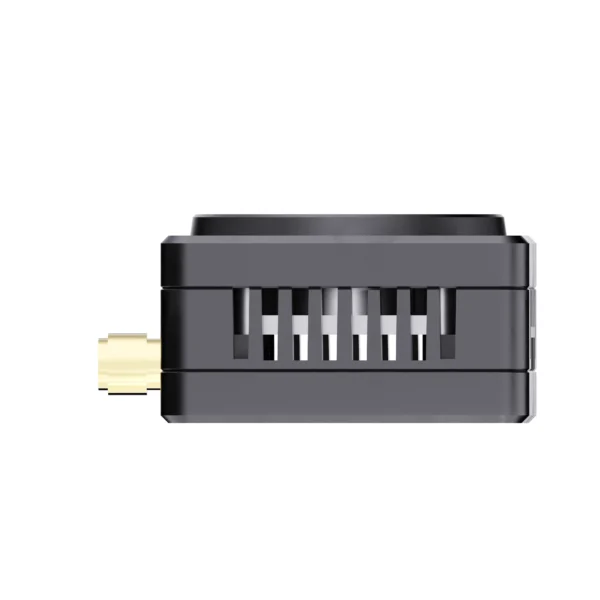
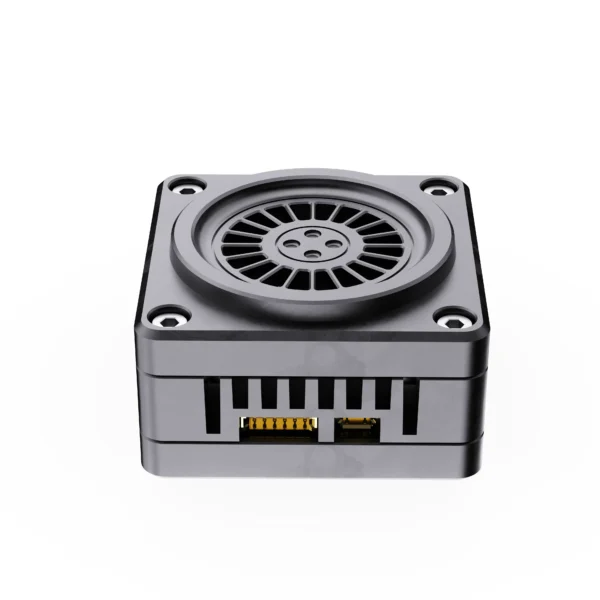
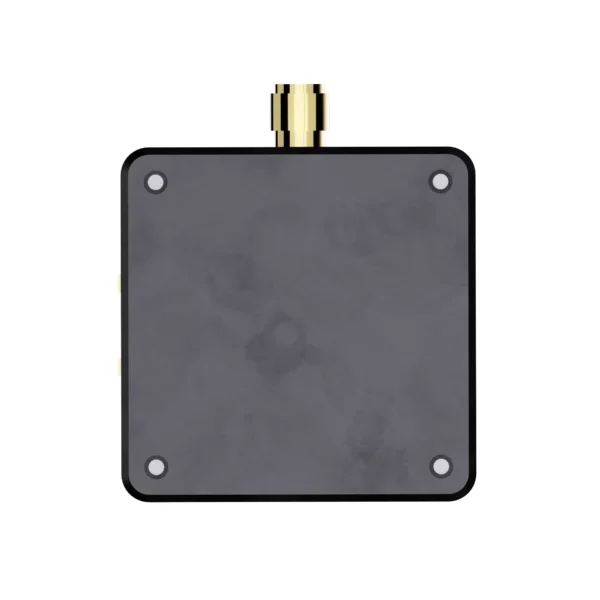
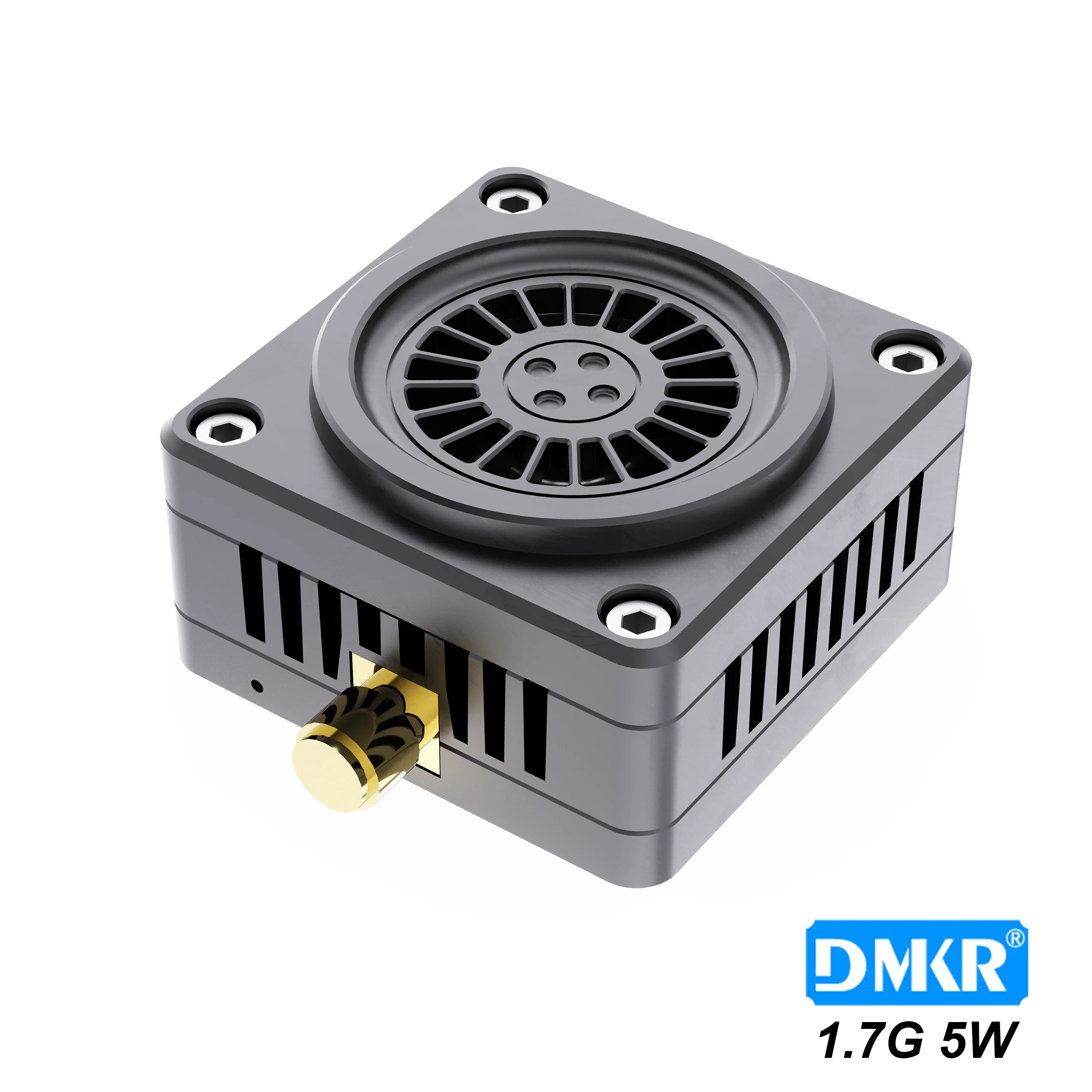
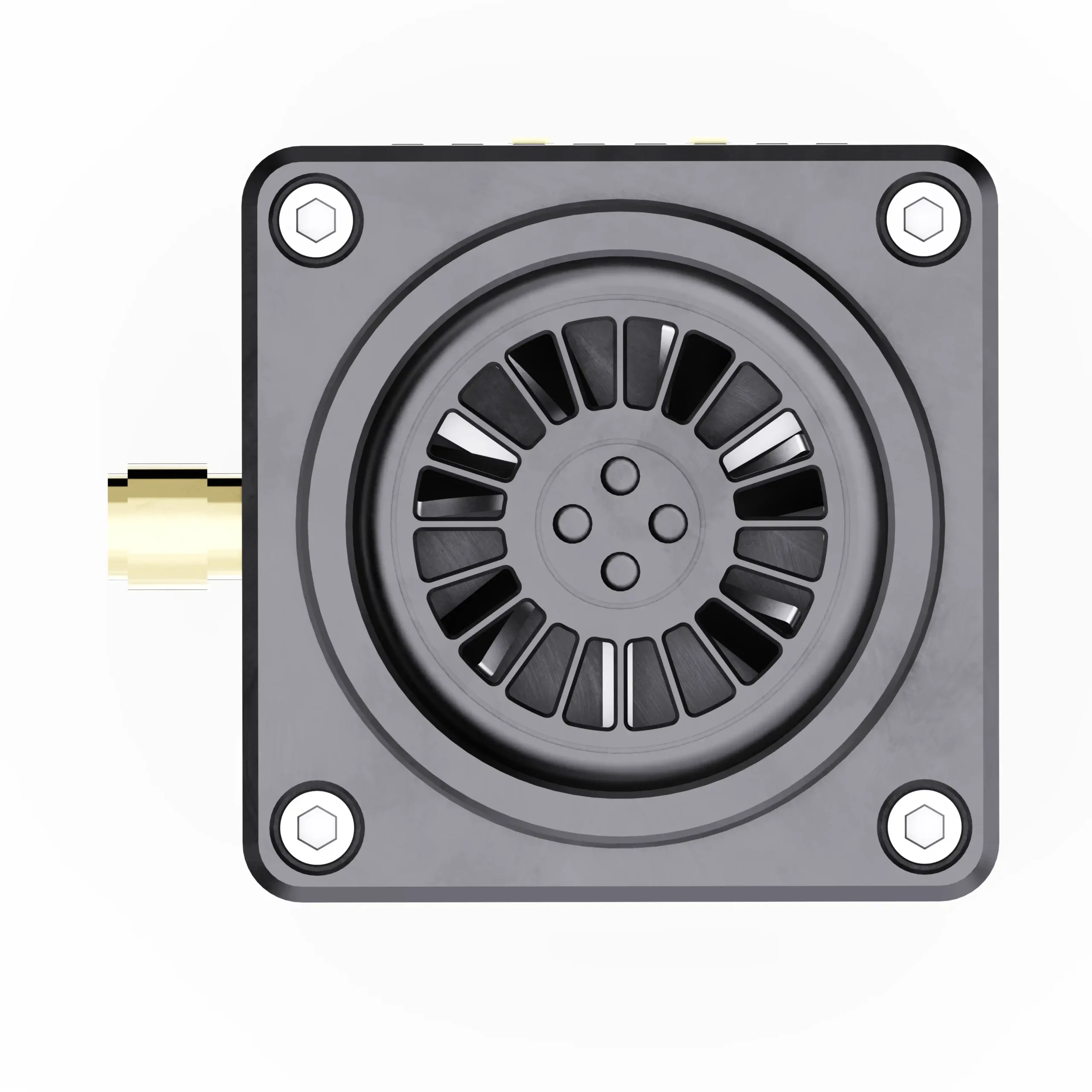
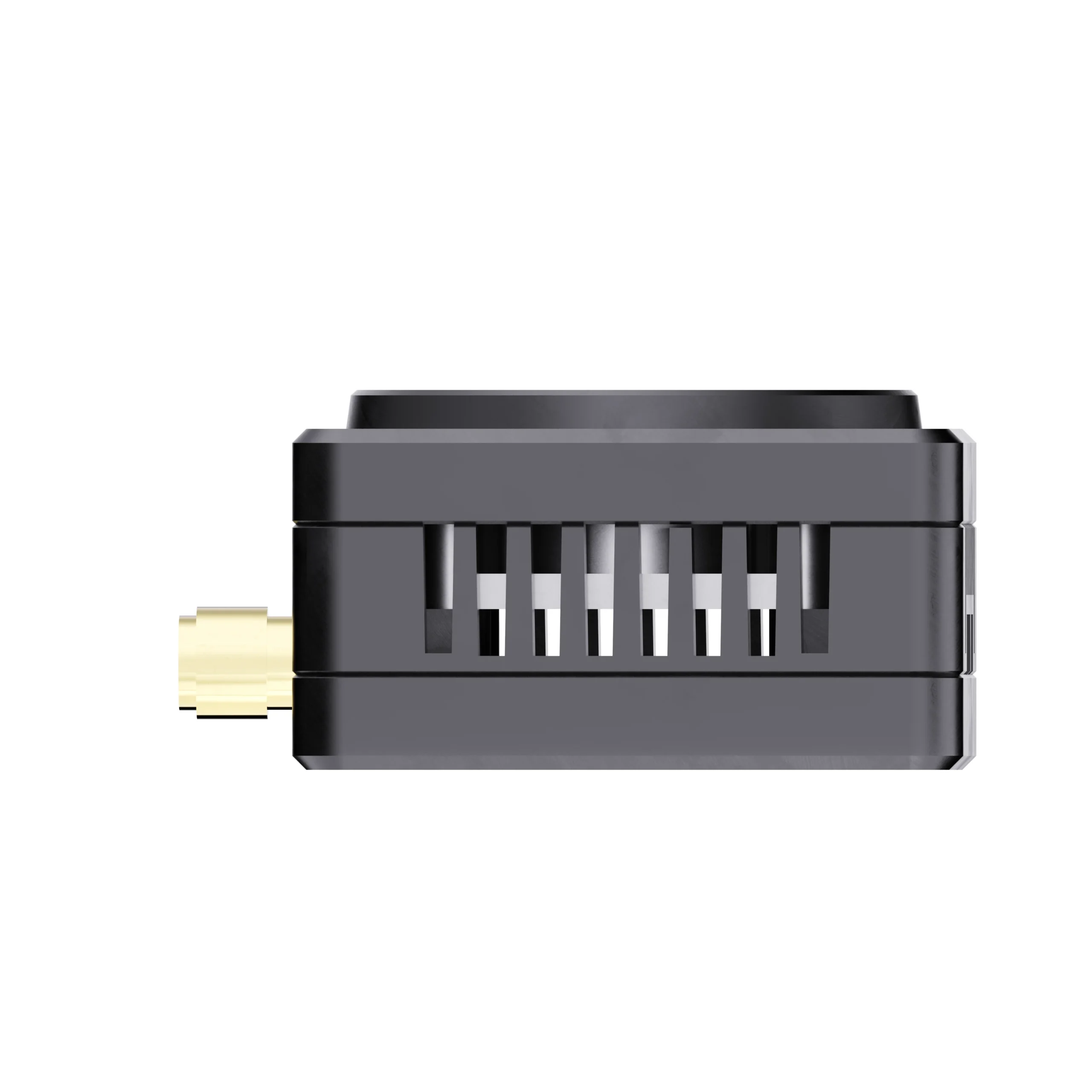
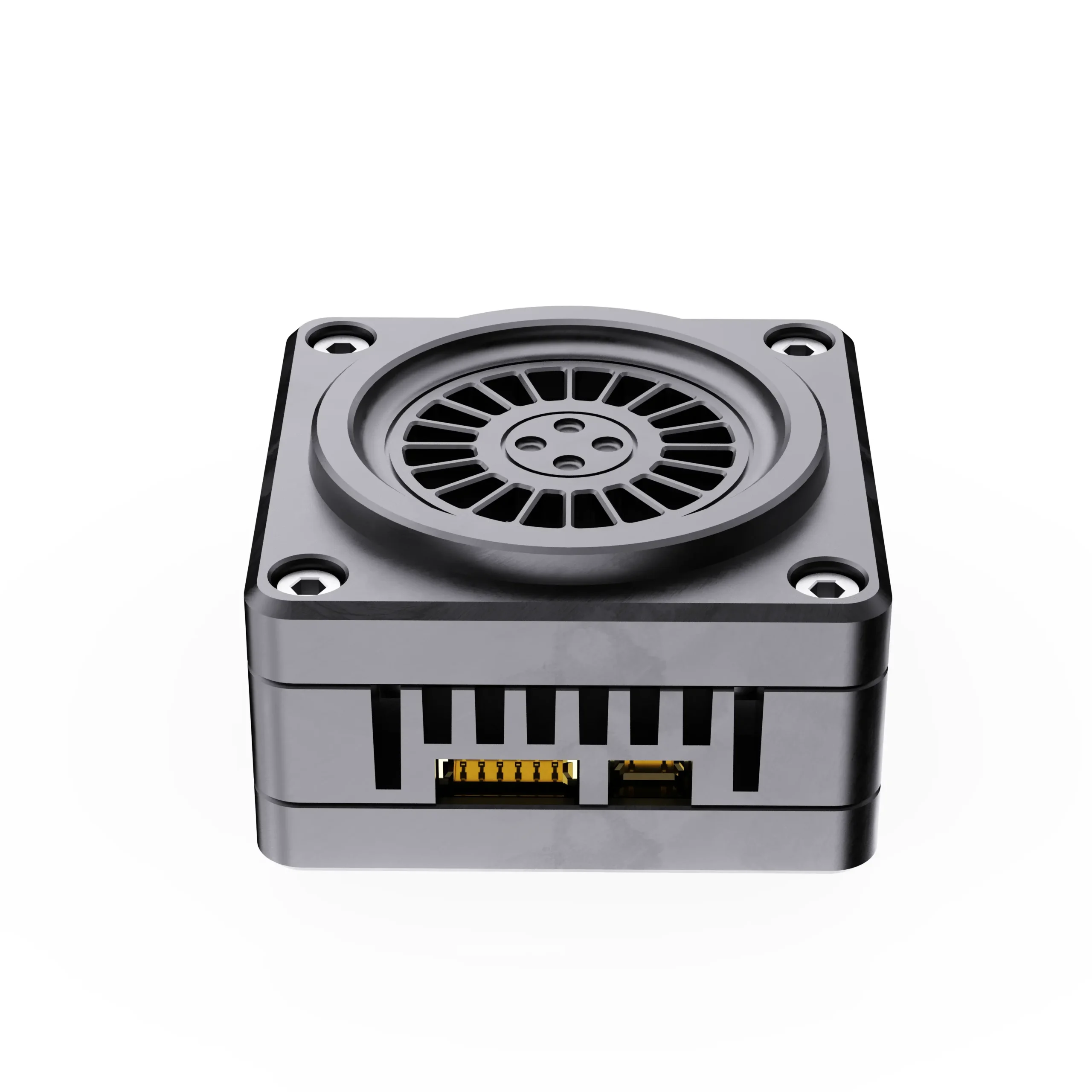
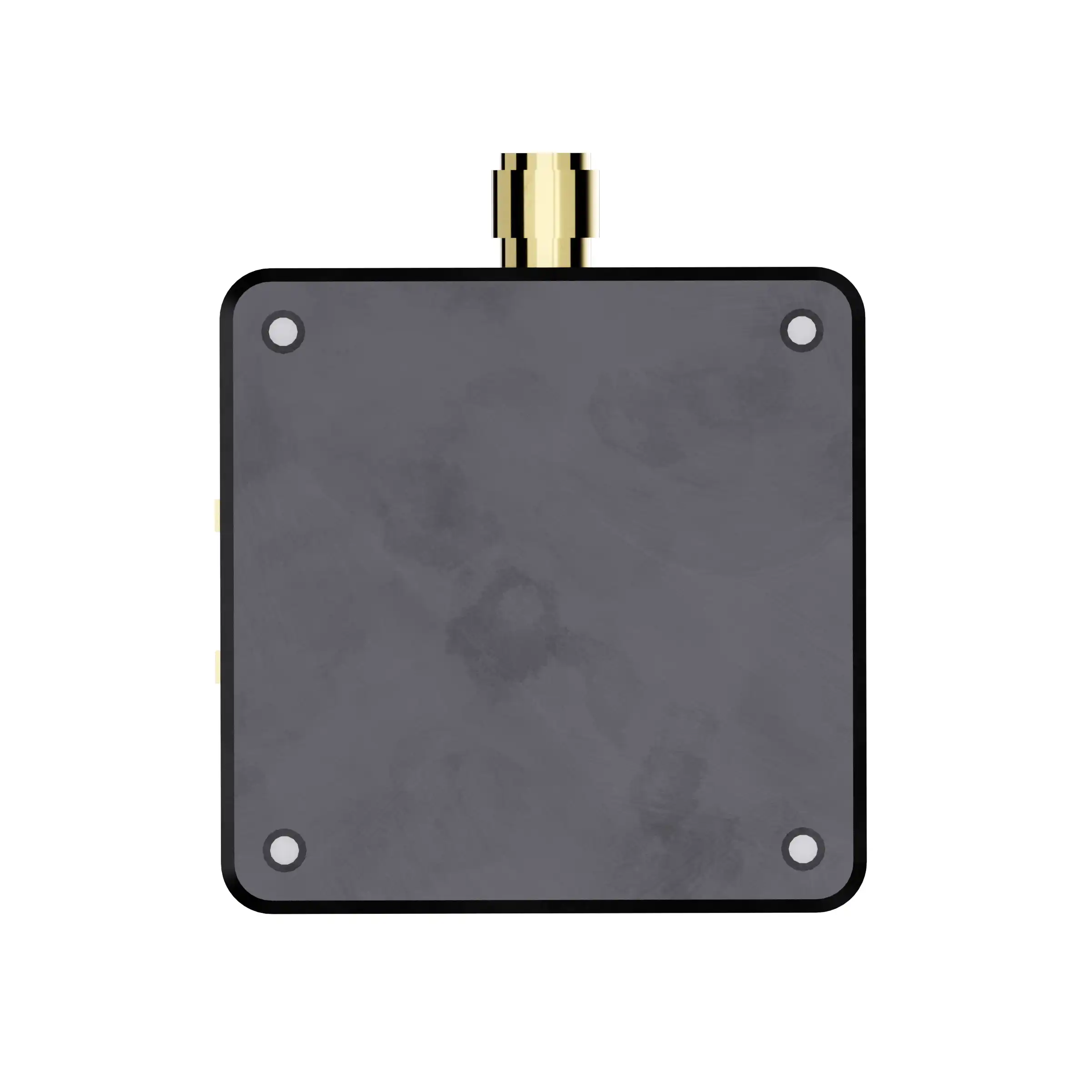
This 1.7GHz analog video transmitter is developed for long-range UAV video transmission systems, with a focus on high-power RF output, system stability, and flexible integration.
The module is designed based on practical deployment requirements, including wide voltage input, multi-channel configuration, and support for remote parameter control via standard protocols.
With in-house development and continuous iteration, the design supports customization and system-level integration, making it suitable for OEM and ODM projects across different UAV platforms.
RF Performance
The transmitter operates within the 1.7GHz band and supports multi-channel configuration for flexible deployment.
With adjustable RF output power up to 5W (25mW / 5000mW), it can be configured for low-power testing or high-power long-range transmission scenarios.
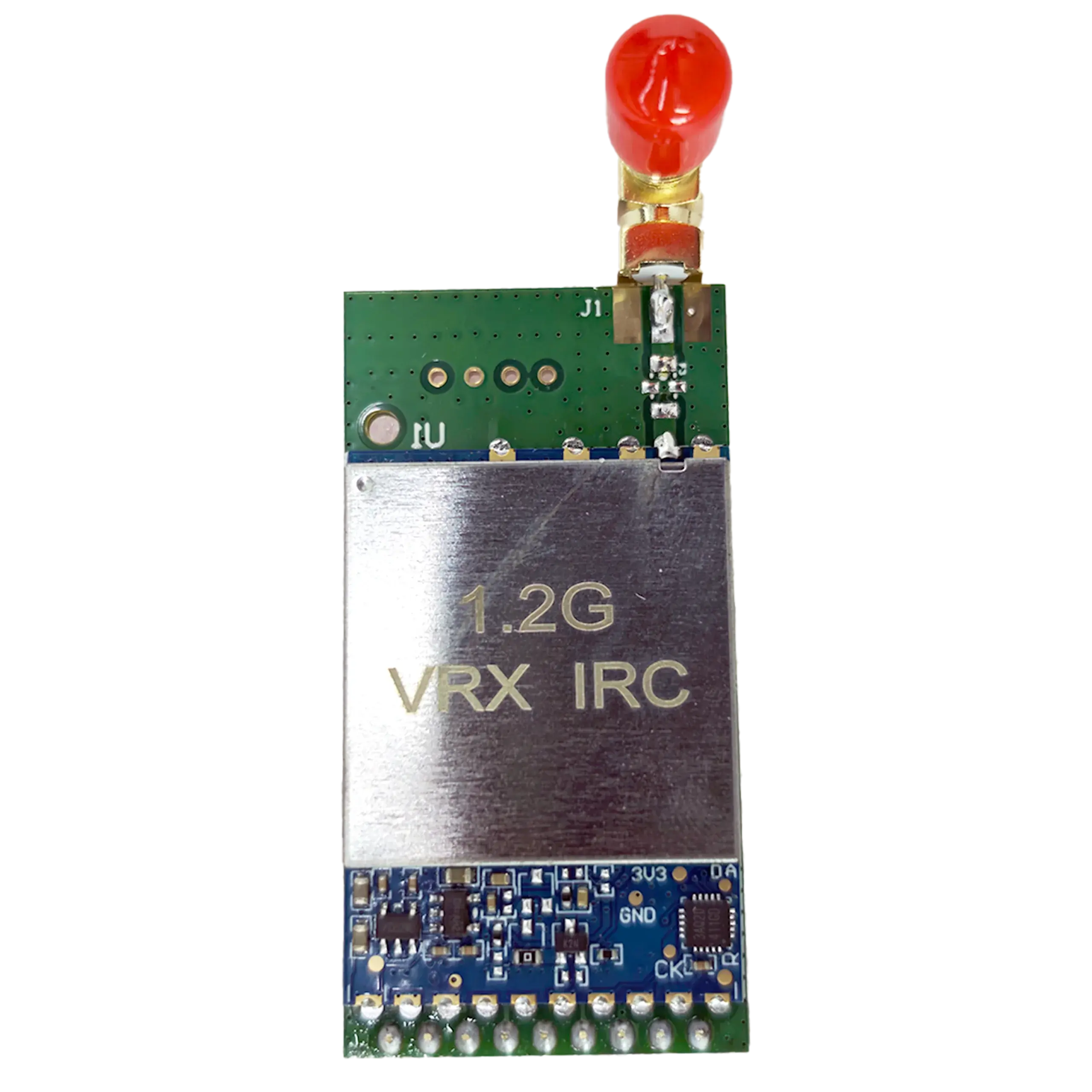
Standard interface design enables integration with typical FPV and UAV systems.
Power and Integration
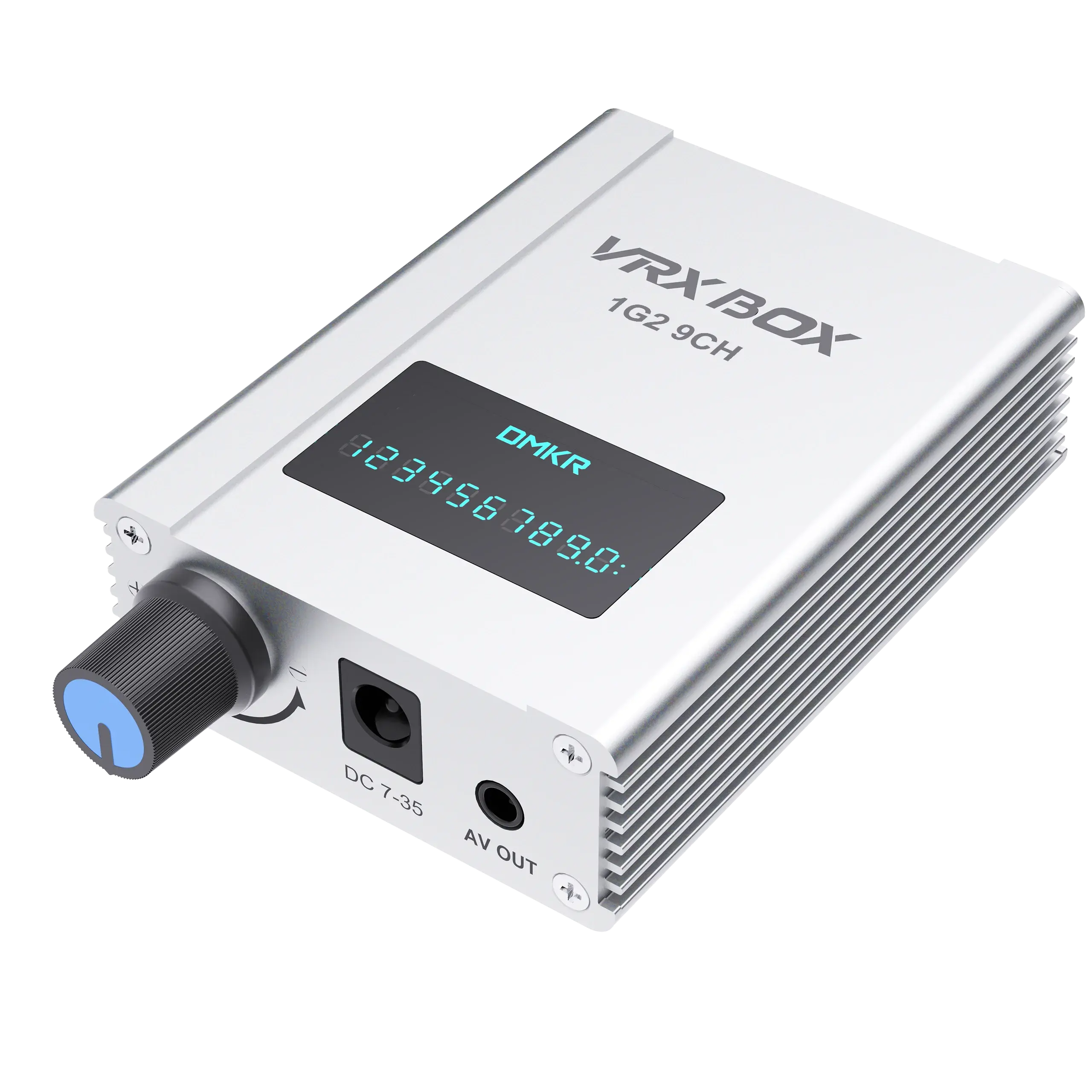
The module supports a wide DC input range, allowing direct connection to common UAV battery systems without additional voltage regulators.
Integrated protocol support enables remote parameter adjustment through flight controller or OSD system, improving efficiency during configuration and operation.
Standardized interface design allows straightforward integration with typical FPV and UAV platforms.
Operational Notes
-
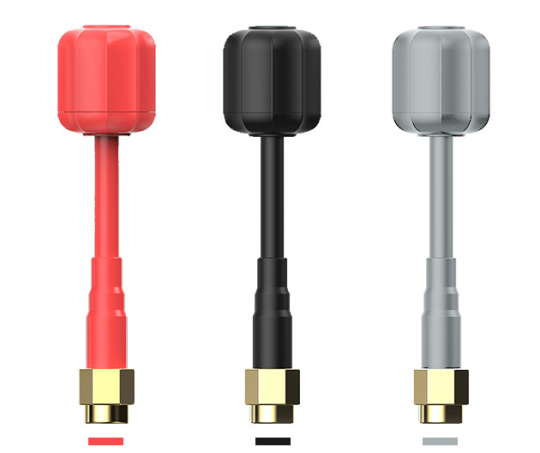
Antenna must be installed before powering on
-
Ensure sufficient cooling during high-power operation
-
Verify correct voltage input before connection
-
Avoid improper wiring to prevent module damage